An Ontario woman says she had to use nearly all of her parents’ retirement savings to pay off a more than $660,000 tax bill after they both died within the same year.
Ashley Galea said she and her brother were grieving the loss of their parents when they received the tax bill from the government.
“It made me more angry than anything. We lost both our parents inside 11 months and (the Canada Revenue Agency) made it clear they wanted their money,” Ashley Galea told CTV News.
Galea’s mother Jackie died in January at the age of 62 and in December, her father Michael suddenly died at 63 years old. The Burlington couple were high school sweethearts.
“We think my Dad died of a broken heart. They had been together so long that the heartbreak was so profound. We didn’t see it coming,” said Galea.
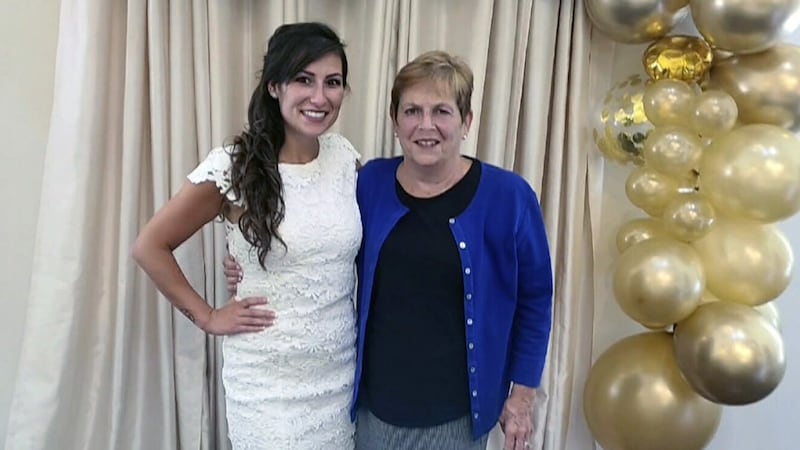
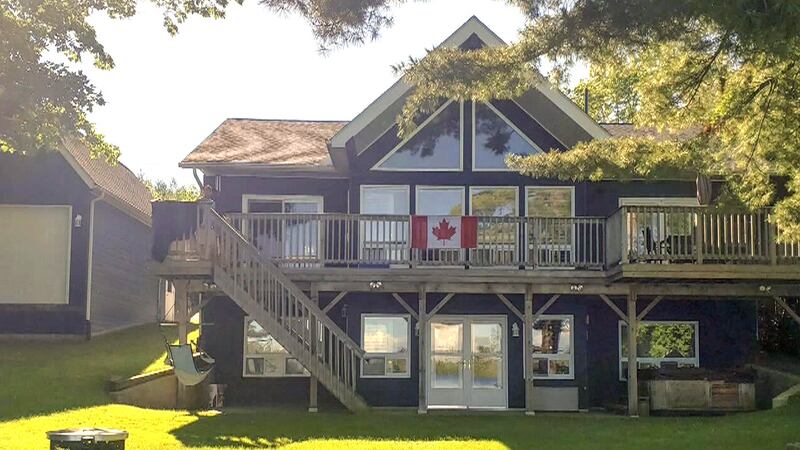
Galea describes her parents as “middle class,” working hard in their careers in nursing and business to save up to buy a cottage in 1998 and contribute money to their Registered Retirement Savings Plans (RRSPs).
Five years ago, they sold their family home and made the cottage their principal residence.
When they both died last year, during the same calendar tax year, Galea’s mother’s RRSP rolled into her father’s RRSP for a combined total of $715,000.
When her father died, the RRSP amount had to be taxed as income at about 50 per cent. Even though they lived at their cottage for the last five years, Revenue Canada still wanted a portion of the capital gains of that property from the time they owned it from 1998 to 2019.
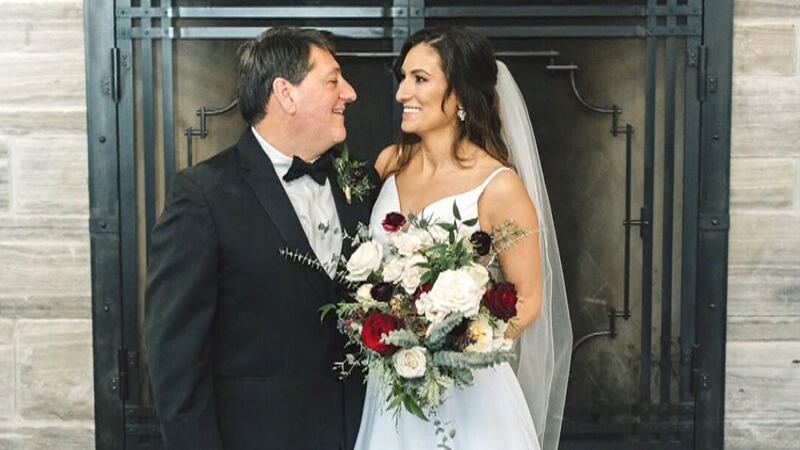
The combined tax on the RRSP amount and the capital gains tax totalled $669,126.
Galea said to avoid selling the family cottage, they were advised to use almost the total amount of RRSPs to pay off that tax bill. The money Galea’s parents saved up, she said, was expected to go to her and her brother, but now there is almost nothing left over after their parents funerals and other expenses.
“This is sort of the kickback that happens if you die at such a young age with an RRSP. So, I think people need to know that maybe there is a better vessel so funds can pass onto your kids or whoever you want them to pass to,” said Galea.
Evelyn Jacks, a tax expert with the Knowledge Bureau, said families should adopt a strategy to reduce the amount of tax they pay, use life insurance, and get advice from a professional to avoid a massive tax bill when a loved one passes.
“You want to do some retirement income planning for tax efficiency at least by the age of 55 to 60. Doing that will help you get better results,” said Jacks.
Jacks suggests moving RRSP investment into non-taxable investments, such as a Tax-Free Savings Account (TFSA), even if it means taking a tax hit when the funds are removed from an RRSP.
“It can absolutely make sense for people to take (a) tax hit earlier so they can avoid a top-tier tax rate hit at time of death, and that can mean taking those funds and putting it in a TFSA,” said Jacks.
Galea said her parents did have a small life insurance policy for her and her brother. She said she is still grieving the loss of her parents, but wanted to share what happened to her family to help others.
Galea also believes there should be changes to Canada’s tax system to allow families to keep more of the money they have saved over a lifetime.
“If in the end of all of this people find out that RRSPs may not be that beneficial for them, then I think this would be helpful for others to know, and for that, I think my parent would be proud of me,” said Galea.
Jacks said anyone who owes money to the Canada Revenue Agency following a death can take up to 10 years to pay it back, but there will be interest.
Jacks also advises anyone with substantial assets and investments should talk to their children or heirs about their financial situation and seek advice to try and lessen their final tax bill.

