A new provincial law that could significantly reshape Ontario’s conservation authorities is drawing concern from local officials.
Ontario’s Bill 68 received royal assent in late November. It included provisions that would reduce the province’s 36 conservation authorities to seven larger organizations. Conservation authorities are responsible for managing watersheds and natural resources, as well as providing flood forecasting and public hazard warnings.
The Grand River Conservation Authority (GRCA) currently oversees roughly $1 billion in infrastructure and manages approximately 50,000 acres of land.
Under proposed boundary changes, lands currently overseen by the GRCA would fall under a newly created Lake Erie Conservation Authority. The proposed body would span more than 350 kilometres, stretching from Windsor to Dundalk.
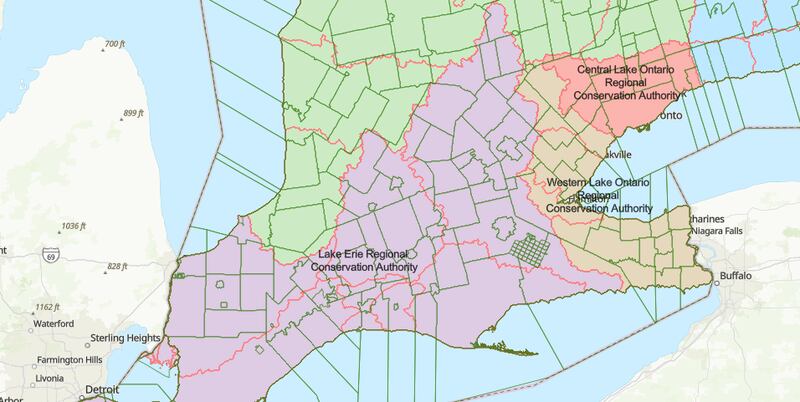
During a Grand River Conservation Authority Board meeting on Nov. 28, officials said the merger is meant to establish greater central leadership, efficiency and strategic direction.
Board members acknowledged a need to modernize and create a more standardized system.
“The goal, I think, is to stabilize conservation authorities across Ontario,” Mayor of North Dumfries Township Sue Foxton, who sits on the board, said at the meeting. “Some [conservation authorities] don’t have the finances to fund the expertise.”
Foxton suggested that sharing professional resources could help smaller authorities meet provincial expectations.
However, several board members and senior staff expressed concern about the proposed size of the Lake Erie Conservation Authority.
“I think there’s some very good dialogue with regard to an agreement that change is needed,” Haldimand County councillor Dan Lawrence, who also sits on the GRCA Board, said. “I think at this point, many are in agreement this is too big, too quick.”
In Waterloo, council unanimously supported a motion during a Feb. 23 meeting requesting the opportunity to engage with the province on the consolidation plan and review the full financial, reserve and operational impacts.
“To make these kind of significant changes without consulting with us, I just feel is really out of step, really out of line,” said Mayor Dorothy McCabe.
Coun. Julie Wright emphasized the importance of local oversight, noting that Waterloo Region relies heavily on groundwater for its drinking supply.
“You know how important it is that we protect our watershed integrity here because we’re 80 per cent groundwater and 20 per cent reliant on the Grand River for our drinking water supply,” she said. “There are 49 other communities that also rely on the Grand River for drinking water. So it’s really important that we have some entity that understands the local context.”
The province had been collecting public feedback on the proposed boundary changes until Dec. 22.

