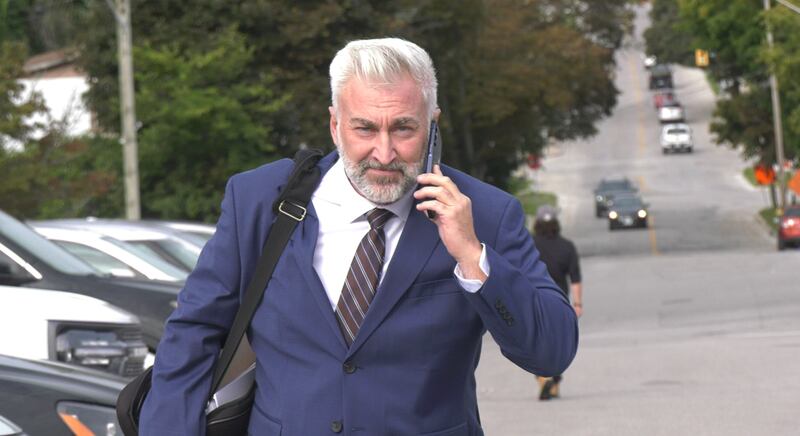
The sentencing hearing for a Niagara-area man convicted of selling mimicked works of late Indigenous artist Norval Morrisseau got underway in a virtual Barrie courtroom, where Jeff Cowan was represented by lawyers Nathan Gorham and Breana Vandebeek.
The 50-year-old represented himself in trial and was found guilty by a jury in November 2025 of selling mimicked works of Indigenous artist Norval Morrisseau following the artist’s death in 2007.
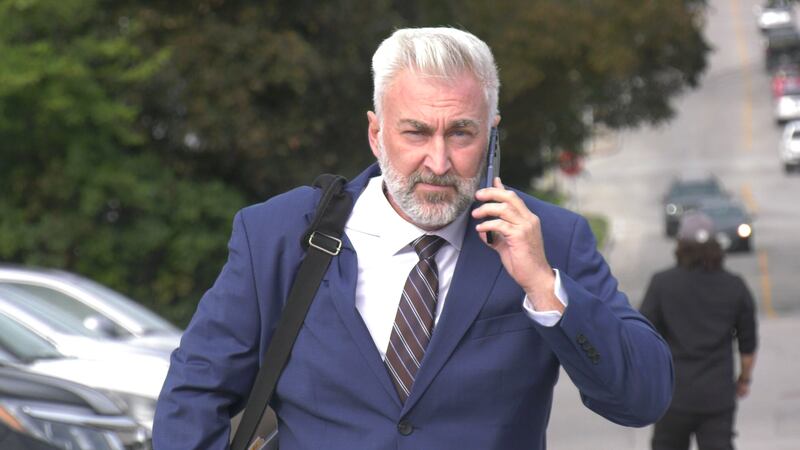
The prosecution told the court during trial, the market became flooded with hundreds of purported forgeries produced, distributed, and passed off as authentic pieces by Cowan and others, who have since been convicted in separate trials following their arrests in early 2023.
Justice Laura Bird heard arguments from the Crown and defence in the sentencing hearing, which began Thursday.
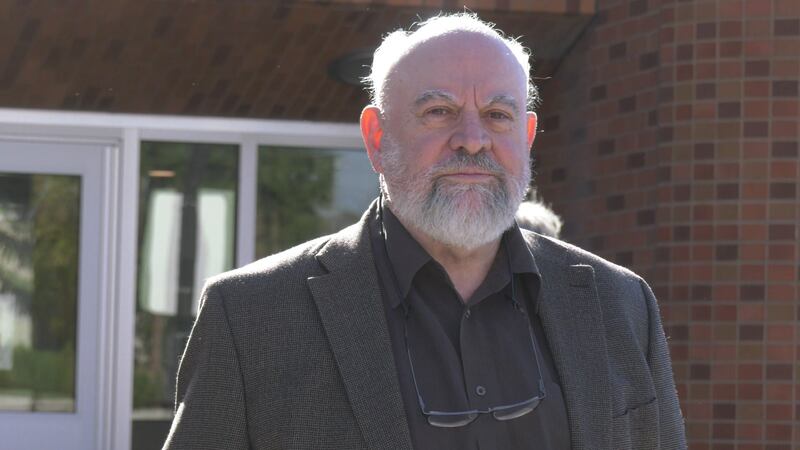
After choosing not to hire a defence lawyer or testify during his two-month trial, Cowan, was represented in his sentencing hearing by the experienced Toronto appeal lawyers who made arguments on what the court should consider before sentencing Cowan, including whether he should now be allowed to testify.
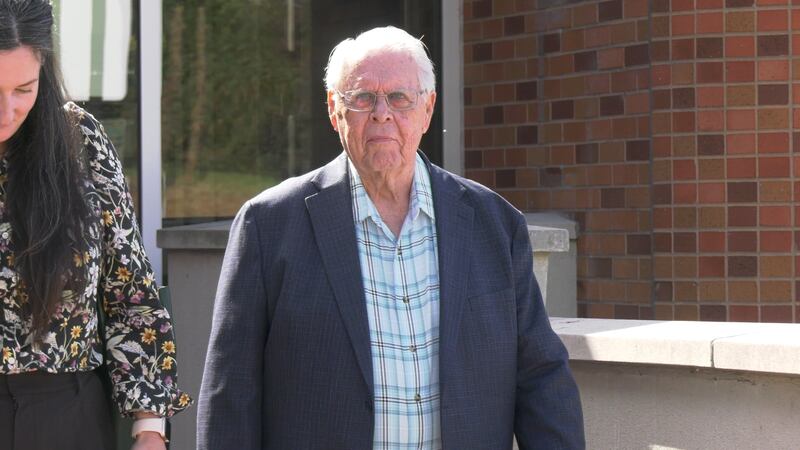
Cowan, along with Jim White and David Paul Bremner, was the third man convicted in Barrie last year of fraud charges involving what police described as an art fraud ring involving hundreds of forged Morrisseau paintings. White and Bremner testified Cowan was the source of several pieces tied to them.
Cowan was found guilty on four counts of fraud, convicted of passing off purported works of the man widely considered the grandfather of contemporary Indigenous artwork in Canada. White and Bremner accepted plea deals and were sentenced to house arrest and curfew conditions.
Cowan was found guilty of uttering forged documents, defrauding the public, and two customers out of property valued at more than $5000.
The defence argues Cowan was not involved in the sophisticated, planned production and distribution of forged paintings as the Crown suggests. Cowan told the court during trial he acquired many of his pieces from his late uncle.
Gorham asked the court to allow Cowan to testify and explain to the court he was not part of a larger art fraud ring as alleged by the prosecution.
The Crown proved beyond a reasonable doubt Cowan committed fraud involving hundreds of paintings he knew were forgeries or knowingly provided buyers false provenance, which is relied upon in the art world to trace ownership of works back to an artist to establish the works are authentic.
The defence will argue, at most, the Crown proved Cowan might have been “willfully blind” when dealing a few pieces of art for which he was found guilty of fraud.
Cowan’s sentencing hearing is scheduled to continue next week.