Ontario Provincial Police say a Brampton man drowned Sunday in Elora.
Emergency responders were called to the Bissell Park bridge around 6:30 p.m. to help search for a missing person in the Grand River.
“This is not a manmade laze river - there are real hazards,” said Jonathan Karn, deputy fire chief with Centre Wellington Fire Rescue.
They learned a 29-year-old had jumped off the bridge and into the water but never resurfaced.
Rescuers found him in the Grand River but he died at the scene.
“The lone male entered under the bridge and jumped into the water,” said Const. Matthew Burton with Wellington County Ontario Provincial Police. “Unknown reason why but that’s all we know at this time. He was found several meters, if that, a certain distance far away from the original location of the bridge”
OPP said the man’s name would not be released out of respect for his family.
The incident was determined not to be suspicious by the Office of the Chief Coroner and the Ontario Forensic Pathology Service.
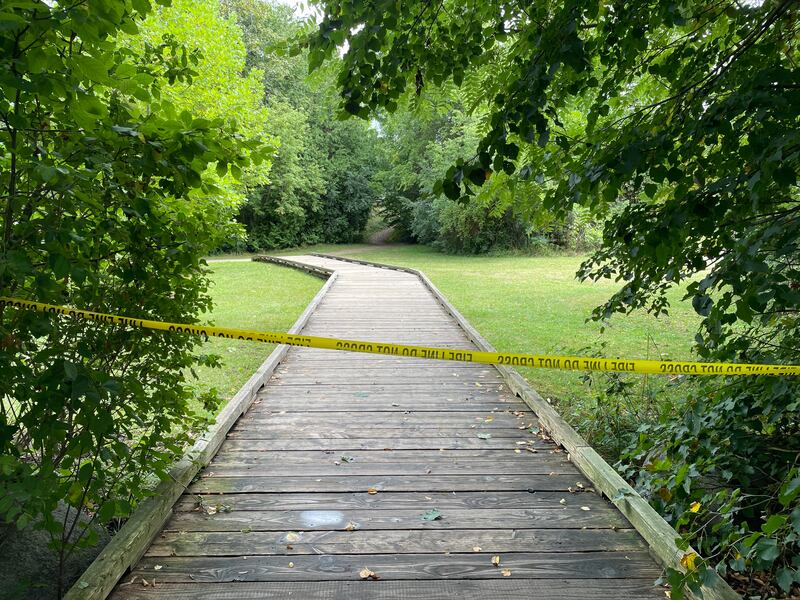
Hidden dangers
“This is a heavily used walking bridge,” said Karn. “The signs are posted for no jumping and that’s for a number of reasons. This part of the river can become unpredictable as far as flows and how quickly the water is moving.”
The drowning was the second one this summer in Elora.
In June, witnesses called 911 after noticing a man in distress at the Elora Quarry. The 24-year-old swimmer was pulled from the water and taken to hospital where he was pronounced deceased.
Both tragedies are prompting warnings about the hidden dangers of swimming in unsupervised waters.
“We’ve seen a tremendous influx of people that are visiting our area and when they visit the area, they start to take advantage of what we have to offer. The river is one, the quarry is another,” said Karn. “They overestimate their confidence in the water. They get themselves into trouble and it only takes moments to slip under the water unnoticed.”
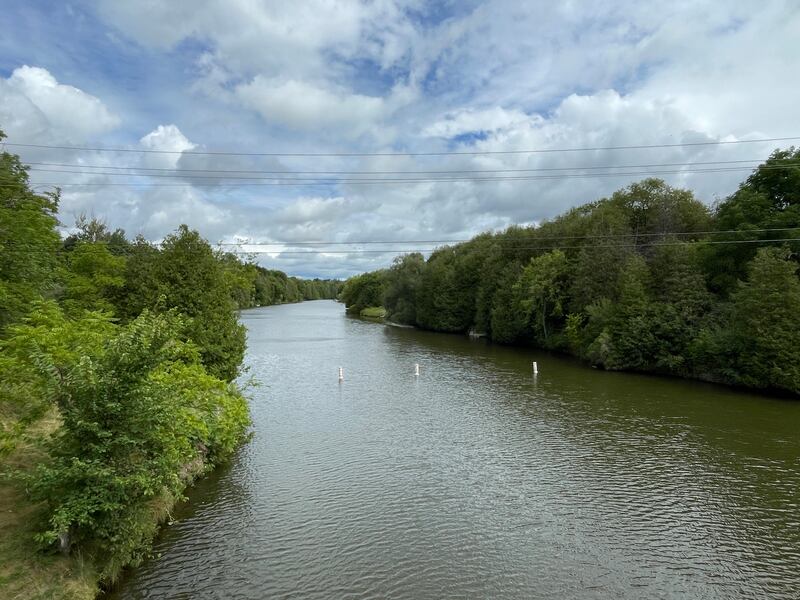
Another concern is the nearby dam.
If people get too close to the dam they could become trapped, creating a drowning hazard.
The Grand River Conservation Authority has buoys in place letting the public know that danger lies ahead. Posted signs nearby also warn against swimming or jumping.
Province-wide concerns
According to Lifesaving Society Ontario, there were 59 drowning deaths in 2024.
So far, 73 have been reported across the province this year.
“We often see drownings happening in the 20-year-old to 30-year-old age range, even from 15 all the way up until 30, especially in males,” explained Stephanie Bakalar, senior communications officer with the Lifesaving Society of Ontario. “Around 77 per cent of drownings happen in males, with the rest being female. And this, typically from what we’ve seen, is because males are more likely to take risks than females.”
The organization said it expects that number to rise by the end of the summer and stresses the warnings are there for a reason.
“Most drownings in Ontario, and all across Canada, will happen in your natural bodies of water,” said Bakalar. “So your lakes, your rivers, your ponds, things like that. This is largely due to the fact that there are environmental factors at play. So you’ve got wind, you’ve got waves. Weeds can be a factor, your feet can get tangled up and the more you kick, the worse it can get.”
Bakalar said drownings can happen within seconds, no matter the depth of the water.
The organization, along with first responders, urge everyone to take extra caution when out on bodies of water as summer winds down.
“We need to always be with someone else,” said Bakalar. “We need to make sure we know how to swim. We need to have the right safety equipment on hand and swim in lifeguarded, supervised settings.”
“Adhere to the buoys that are in the river that are saying do not come past this point,” said Karn. “Again, we do have a low head dam here that is extremely dangerous if you get close to it and a very difficult to get out of the situation.”

