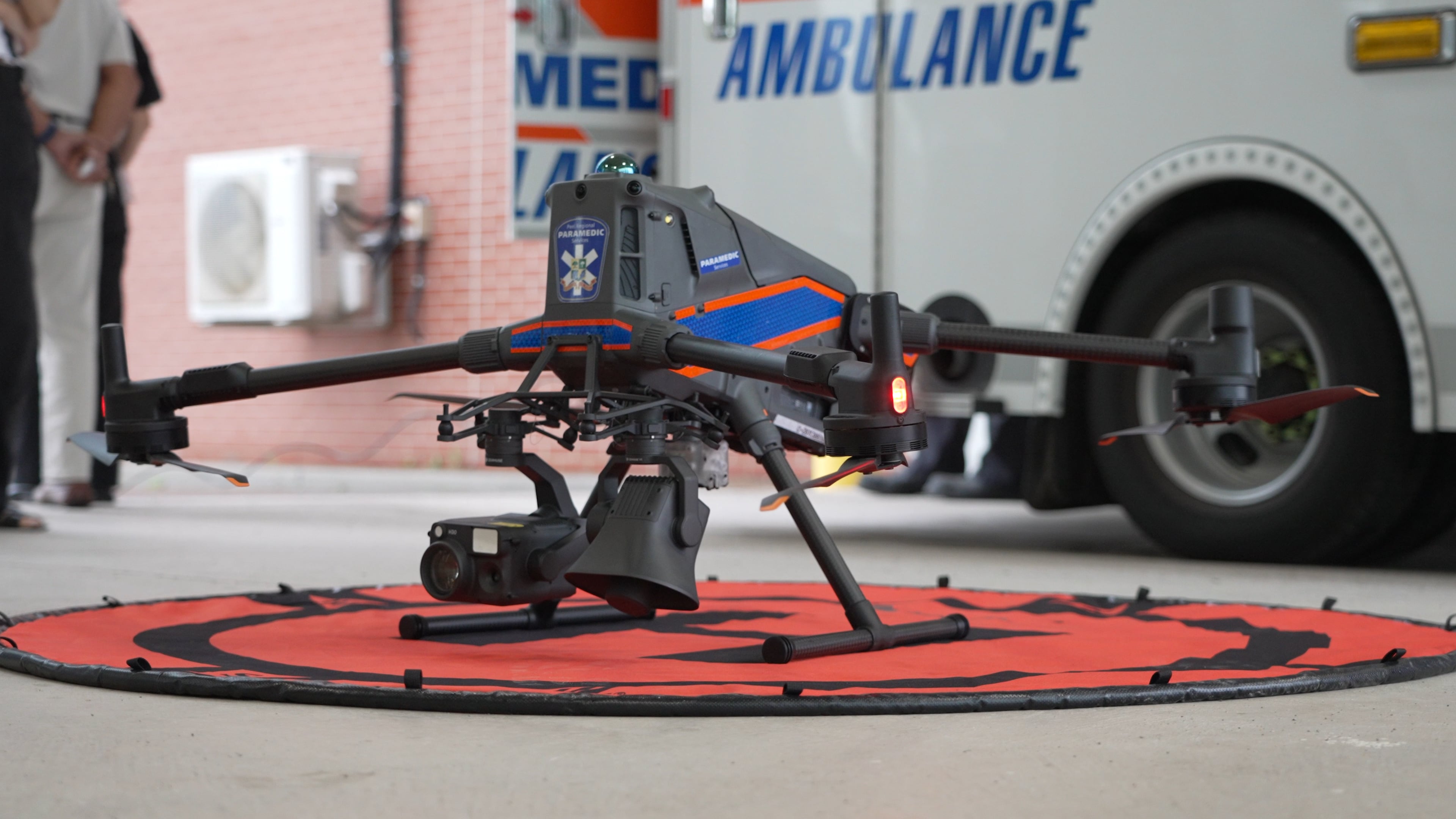
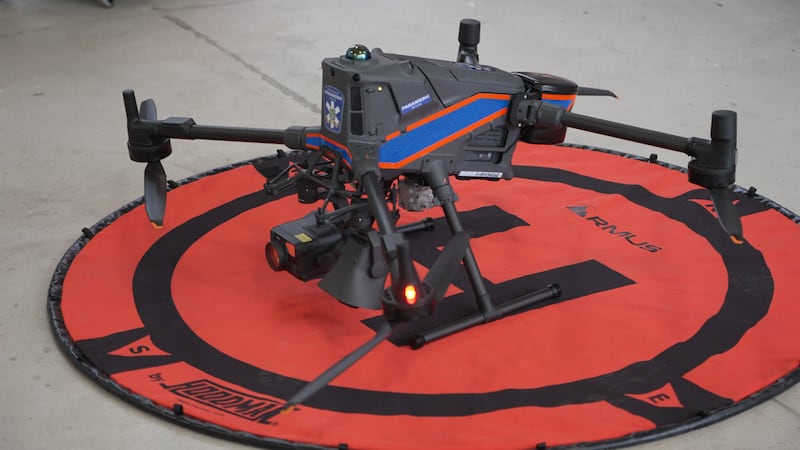
A drone is now being used in Peel Region to deliver life-saving equipment and medication to the scene of an emergency in the critical moments before paramedics arrive.
Peel Regional Paramedic Services’ (PRPS) medical drone pilot program launched on Tuesday and will serve residents of Bolton, Ont., in need of automated external defibrillators (AEDs) for cardiac arrest, naloxone for suspected opioid overdoses, trauma supplies for severe bleeding, and epinephrine auto-injectors for allergic reactions/anaphylaxis.
Aside from providing people who call 911 for assistance with medical supplies, the three-year pilot will also see paramedics providing “real-time guidance” before they arrive on scene.
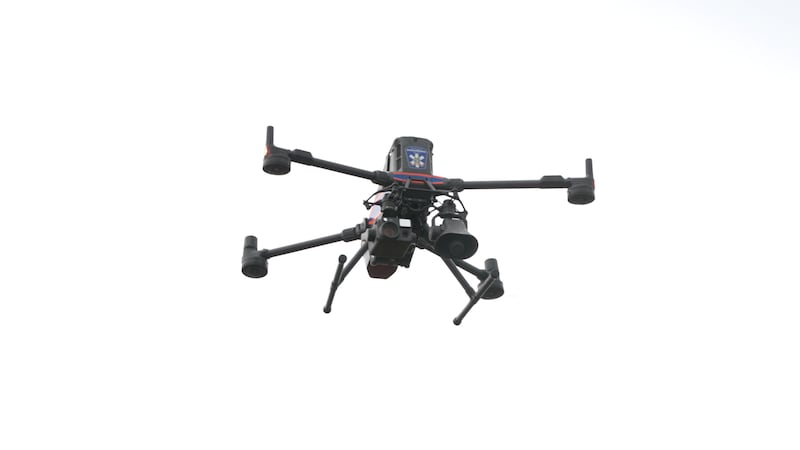
Members of Peel paramedics with advanced complex remotely-piloted aircraft system pilot certificates will operate the drone, which will fly 150 to 200 feet above the tallest structure on the flight path until they reach their destination. It can travel at speeds up to about 60 km/h.
The service said the program, which is operated with support from grants and funding, will be expanded based on how the pilot goes, safety analysis, community need, and regulatory approval.
The pilot will run until Sept. 21, 2029, with a review undertaken after six months as well as an annual inspection and servicing.
“Peel paramedics are committed to delivering innovative, high-quality care that reaches people when and where they need it most. By integrating drone technology into our response model, we are putting life-saving tools like AEDs into the hands of bystanders faster - potentially minutes sooner than traditional response,” Chief Brian Gibson said in a release.
“Our goal is simple: give every resident the best possible chance to save a life before paramedics arrive.”
This pilot was developed by PRPS in collaboration with Dr. Sheldon Cheskes, the medical director at the Sunnybrook Centre for Prehospital Medicine and an internationally recognized leader in cardiac arrest research. It supports his ongoing research into drone-enabled AED delivery, notably in rural, remote, and Indigenous communities across Ontario where longer emergency response times can impact health outcomes and cardiac emergency survival rates.
“Early defibrillation is one of the most important factors in surviving cardiac arrest. This initiative is about getting AEDs to patients faster and strengthening the chain of survival, particularly in areas where access can be more challenging,” Cheskes said in a release.
“By combining innovative technology with research, I’m proud to work together with Peel Regional Paramedic Services to improve health outcomes and save more lives in Peel.”
Peel paramedics say the medical drone pilot builds on their broader Community Safety Program, which is focused on improving survival rates for cardiac arrest and other time-sensitive emergencies. They noted their other initiatives involve expanding access to publicly available AEDs and supporting volunteer community responder programs.

