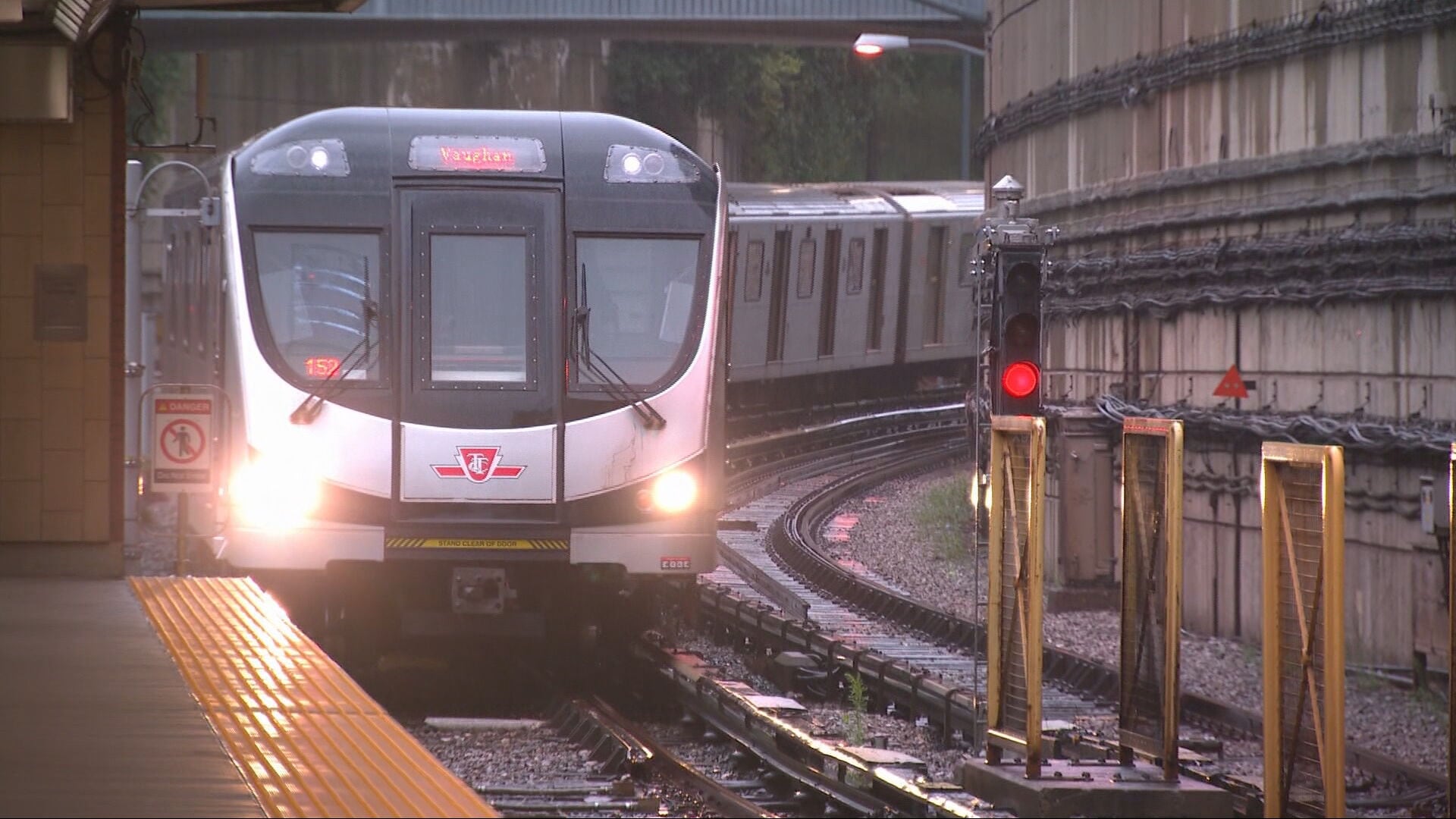
The TTC is facing a difficult financial outlook over the next 15 years as $37 billion worth of its capital investment needs remain unfunded.
This severe shortfall was up for discussion at the Commission’s strategic planning committee meeting at its midtown Toronto headquarters on Thursday.
The money, in part, is essential for repairs and to keep the system reliable. The total cost of those identified needs is $53 billion, including almost $12 billion related to health and safety, legislative, and requirements for what’s known as “state of good repairs.”
“These numbers make me want to vomit,” Fenton Jagdeo, commissioner of the TTC’s board of directors, told the councillors, TTC board members, and other decision makers in attendance.
“We’ve got this looming hole. If this was any other business we would have filed for bankruptcy, it would have been sold off, stripped for assets. What we’re doing here is incredibly unsustainable.”

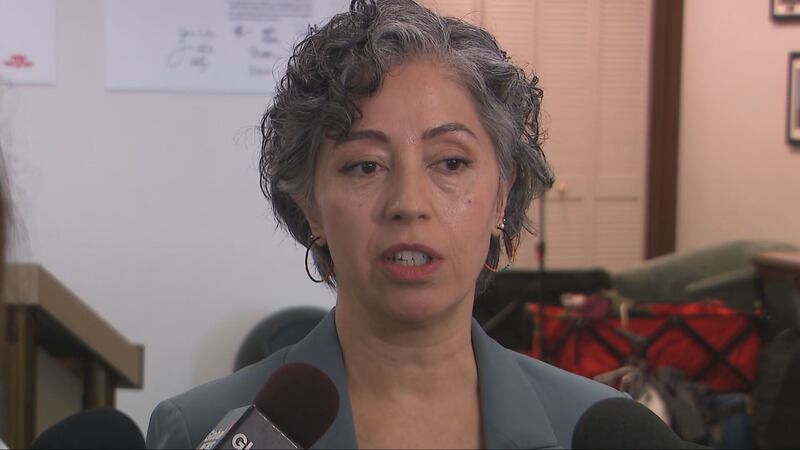
Committee chair Alejandra Bravo said property taxes alone cannot support the city’s public transit system, which she said is one of the country’s major economic drivers.
“There is a fiscal framework that excludes and punishes Toronto compared to cities across Canada, and global cities. We stand out for not having sustained funding for the operational side and the capital side,” she told reporters in a scrum after the meeting.
In the end, the committee adopted the report, which indicated that addressing the repairs is essential for service reliability, and voted to send it to the provincial and federal governments about the dire situation.
This step is a positive move, according to Toronto public transit advocacy group TTC Riders.
The group noted that more must also be done to keep travel affordable and help people get where they need to go in good time.
“It’s a shocking number, but it’s not a surprise to riders who have endured slow zones on the subway for over a year now, dealing with a streetcar and subway system that sees frequent shutdowns, detours. The transit system is really broken,” said spokesperson August Puranauth.

In the years to come, committee members hope to see TTC ridership grow and, in turn, generate more revenue for the system.
Staff will explore fare capping, where after a certain number of rides it would be free to take the TTC, rewarding frequent users.
TTC Chair Jamaal Myers believes with the right moves more can be done unclog surface routes.
“I’m very clear. I support prioritizing transit. It works. We have the numbers to show it works,” he said.
“I think where you hear a lot of the push back is, I think, you hear people complain, you want these red bus lanes but they are empty half the time. Those are legitimate concerns and questions in that we’re not spacing out the buses properly because they often arrive in packs,” said Myers, who added he believes these are things that can be fixed.
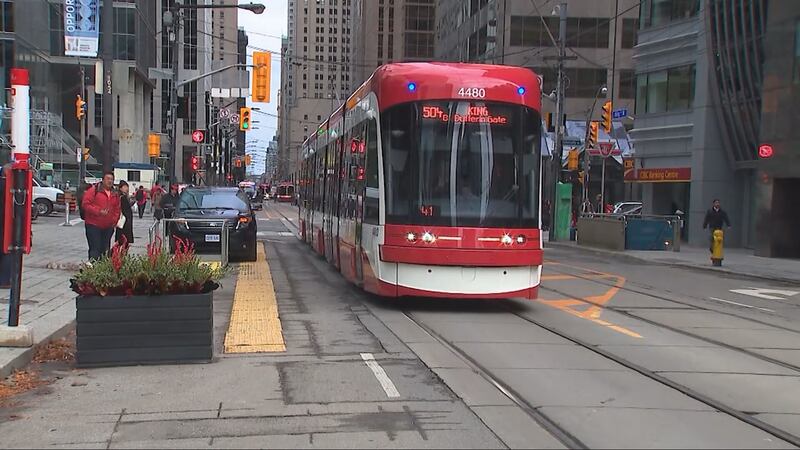
In a statement to CTV News Toronto, the city said it remains committed to working with all levels of government to secure funding to repair and maintain the infrastructure necessary for a safe, reliable, and affordable public transportation system in Toronto.
“Recent federal funding support for the Line 2 replacement subway trains through the Canada Public Transit Fund Baseline Funding Stream made a substantial contribution to addressing part of the state-of-good-repair backlog, and we will continue to look for ways to maximize these partnerships to keep Toronto moving,” the municipality said.

