Crisis workers will soon be stationed on TTC Line 1 subway platforms as part of a new safety pilot.
Officials say deployment will start as soon as Nov. 15 and that Toronto Community Crisis Service (TCCS) staff will be embedded 24/7 at Spadina, Union, and Bloor-Yonge stations.
Transit users can report an incident through the SafeTTC app, speaking to TTC staff, or by calling 211.
The plan is to scale the $540,000 pilot to $1.8 million annually, though Mayor Olivia Chow acknowledged funding is not yet confirmed. She is urging City Council to support the initiative in the upcoming budget, calling transit safety a top priority.
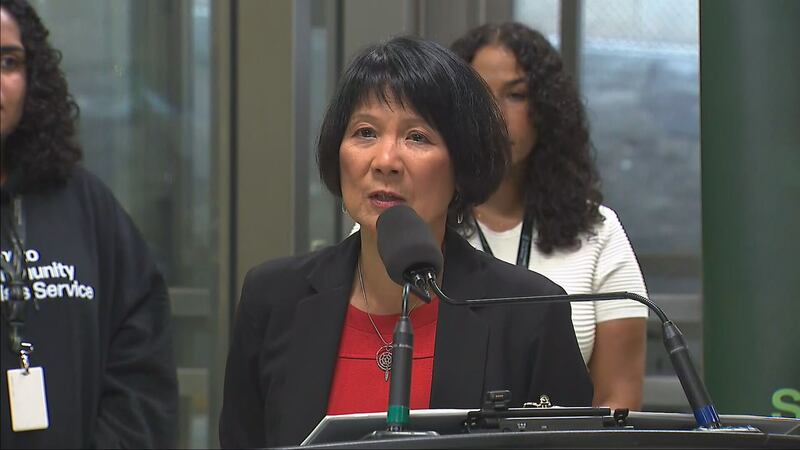
“Transit needs to be safe and feel safe. Bringing crisis workers on to the platform as a resource for riders will help us respond to incidents faster and prevent them,” Chow said, noting that 78 per cent of mental health calls are resolved without police involvement.
Some critics argue program falls short
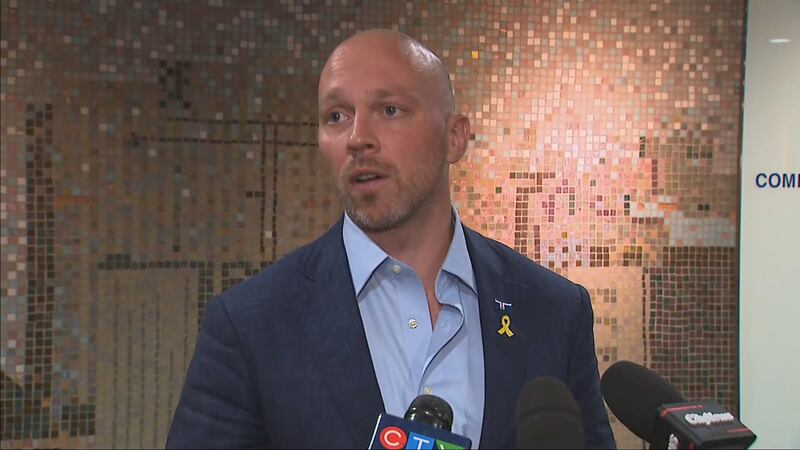
Beaches-East York Coun. Brad Bradford, meanwhile, is criticizing the announcement, arguing that dedicating $1.8 million for three stations is insufficient to address the real concerns riders have when it comes to safety.
“The number one reason why people aren’t taking the TTC is because they don’t feel safe,” Bradford said.
“Crisis Response workers are part of the equation, but they do very little to keep riders safe on a platform or on a vehicle during an active assault, when an incident gets violent.”
It should be noted that the City defines persons in this role as individuals who are “trained mental health professionals” that work to support people “experiencing a mental health crisis.”
Meanwhile, Bradford added that more visible enforcement is needed when mental health incidents become violent.
“You should walk into a TTC station and take comfort in the fact that you see Transit Police or special constables there,” he said.
Pointing to repeated incidents of violence on the system, he called the pilot a limited step forward.
“This program, well, it’s a step in the right direction… I think it falls far short of what is actually required to make the TTC safer for our riders." Bradford said.
Armed police ‘make me anxious,’ rider says
One daily transit user, however, says seeing armed police officers create a feeling of danger rather than safety.
“As someone who takes the TTC every day, I notice when my bus doesn’t come on time or when platforms feel overcrowded. I notice when there are armed police officers on transit, it makes me anxious and sometimes unsafe,” said Rebeena Subadar, a member of TTCriders.
“Changes like this, that don’t rely on increasing police presence on public transit, are a step in the right direction, but what would really help is knowing that the TTC will be reliable and safe every single day.”
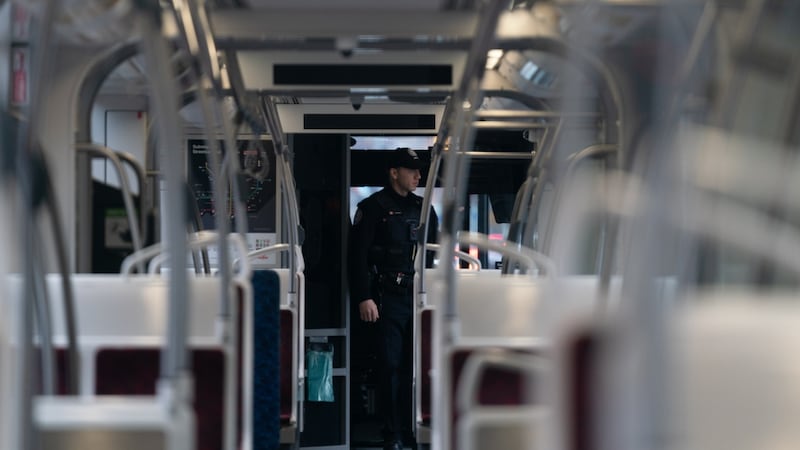
In an email to CTV News Toronto, the broader advocacy group suggests they are calling for a multi-pronged approach to safety that goes beyond policing.
“Adding crisis worker teams is a major win for safety,” said Andrew Pulsifer, Executive Director of TTCriders.
“For years, transit users have been calling for an inclusive, non-enforcement approach to safety based on evidence and care.”
Growing concern about safety
In 2024, TTC Special Constables received more than 1,028 “Person in Crisis” calls, according the news release.
Officials say the new crisis teams will work alongside TTC staff, Streets to Homes outreach, LOFT’s outreach team, safety ambassadors, security guards, and Toronto police, while also freeing up officers for other duties.
But concerns about violence remain high. In 2023, nearly 6 in 10 public transit users reported feeling less safe commuting following a string of violent attacks.
City Council is expected to review the pilot in more detail at its Oct. 8 meeting.

