The Ford government has tabled an omnibus bill that would make changes to a whole suite of laws and regulations, from green roofs to tenant evictions and driver’s licences.
The “Fighting Delays, Building Faster Act” is proposing more than 40 changes to various regulations and acts.
Here’s a rundown of a few of the proposed changes:
Making it easier for residential landlords to end leases
The province wants to explore the possibility of modifying “security of tenure,” currently enjoyed by tenants under the Residential Tenancies Act (RTA). The current law means tenants have a right to remain in their rental unit as long as they follow the lease agreement and the RTA. Landlords cannot evict tenants without a legally valid reason under the current law and after a fixed-term lease ends, the tenancy typically continues on a month-to-month basis.
But the Ford government says it would like to consult on “alternative options on lease agreement expiry” that would give landlords more control over their units, “allowing them to adjust tenancy arrangements based on market conditions, personal needs, or business strategies.”
Speaking with reporters, Attorney General Doug Downey said the government is hoping to make conditions more attractive for landlords to put vacant units up for lease because they’ve heard “for years” that some landlords are not entering the market because they don’t have confidence in it.
“We’ve heard from stakeholders that these evergreen leases that just go on with no end in sight may not be appropriate,” Downey said.
He said other jurisdictions do things differently and the province plans to consult “widely” with landlords and tenants to see if there is a better way to “unlock housing” that isn’t being leased out right now.
“What we do know is there are a lot of landlords that are not putting their units on the market. We need to get those units,” Downey said. “I’m convinced, if we get the right balance, we’ll unlock tens of thousands, hundreds of thousands of new units, and those will be places that people that currently don’t have a place to be will be able to rent.”
Changes to landlord-tenant disputes
The bill is proposing a number of changes when it comes to disputes between landlords and tenants. Among other things, tenants would be required to give prior notice of issues they intend to raise at hearings and would not be allowed to introduce new issues without warning. The province says this is to avoid adjournments where the parties aren’t prepared to speak to an issue.
The bill would also scrap the need for a landlord to offer a tenant compensation if they would like to take their property back for their own use, as long as they give 120 days notice. If the landlord gives less than that, they would still be required to provide one months rent or offer a comparable unit as compensation.
As well, the province wants to shorten the grace period to issue an eviction notice after rent non-payment, from 14 days to seven, and shorten the time to request a review of a final hearing order from 30 to 15 days.
Driver’s licences
The government wants to make changes to the experience foreign drivers can use toward obtaining an Ontario driver’s licence. Changes proposed in the bill would restrict foreign driving experience credit to 12 months and require all non-reciprocal applicants to complete both G2 and G road tests.
Applicants with verified experience would be able to take a G2 test immediately and drive independently if they pass. They would then need to wait at least 12 months before attempting the G road test.
Changes are also proposed for commercial licencing.
Scrapping Toronto’s green roof policy
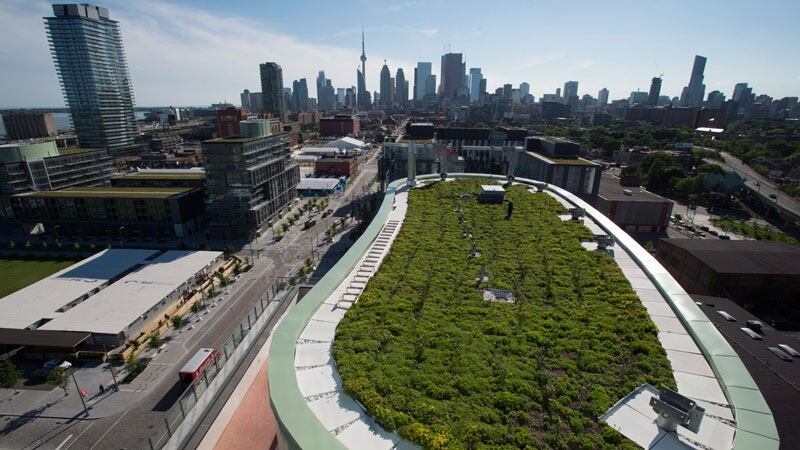
The province says it wants to scrap Toronto’s green roof bylaw, which sets out green roof requirement for new buildings. The province says the bylaw adds cost and complexity for developers and creates an inconsistent approach across the province. Going forward green roofs would be voluntary across Ontario. Developers would be encouraged to create them but they would not be mandatory.
Prohibiting vehicle lane reductions for bikes
The province is prohibiting the reduction of vehicle lanes when municipalities install new bicycle lanes.
Water and wastewater changes for Peel
The province wants to transfer jurisdiction of water and wastewater services from Peel Regional Council to Mississauga, Brampton, and Caledon and create a new public corporation model to deliver water and wastewater services.
Waterfront Toronto
The province says it will extend Waterfront Toronto’s mandate from 2028 to 2035, with a possible extension to 2040.
Community Improvement Plans
Upper-tier municipalities without planning authority would be able to establish and fund Community Improvement Plans (CIPs) to support lower-tier municipalities. The province says the goal is to leverage the tool to support more housing infrastructure and economic development.
Building code review and streamlining approvals
The government says the bill will “reduce barriers to building homes and infrastructure” by streamlining approvals and site plan control for municipalities in time for the spring building season.
It also proposes “a section-by-section review of the Ontario Building Code” in order to reduce regulations and speed up building. However the province promises the code would not be modified in any way that would compromise safety.

