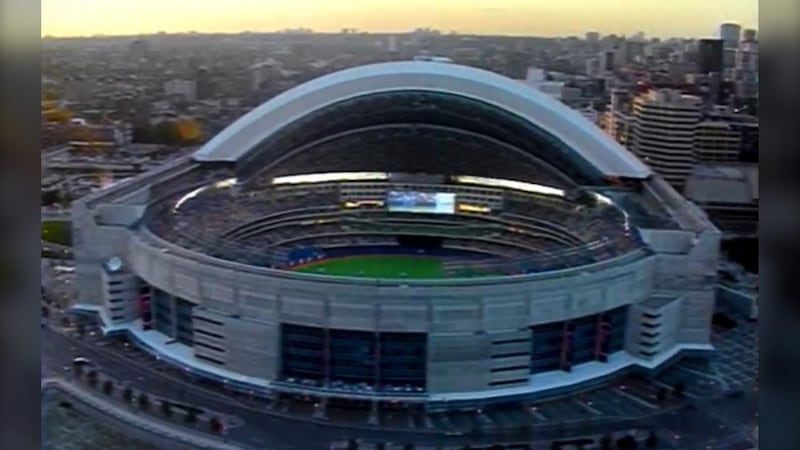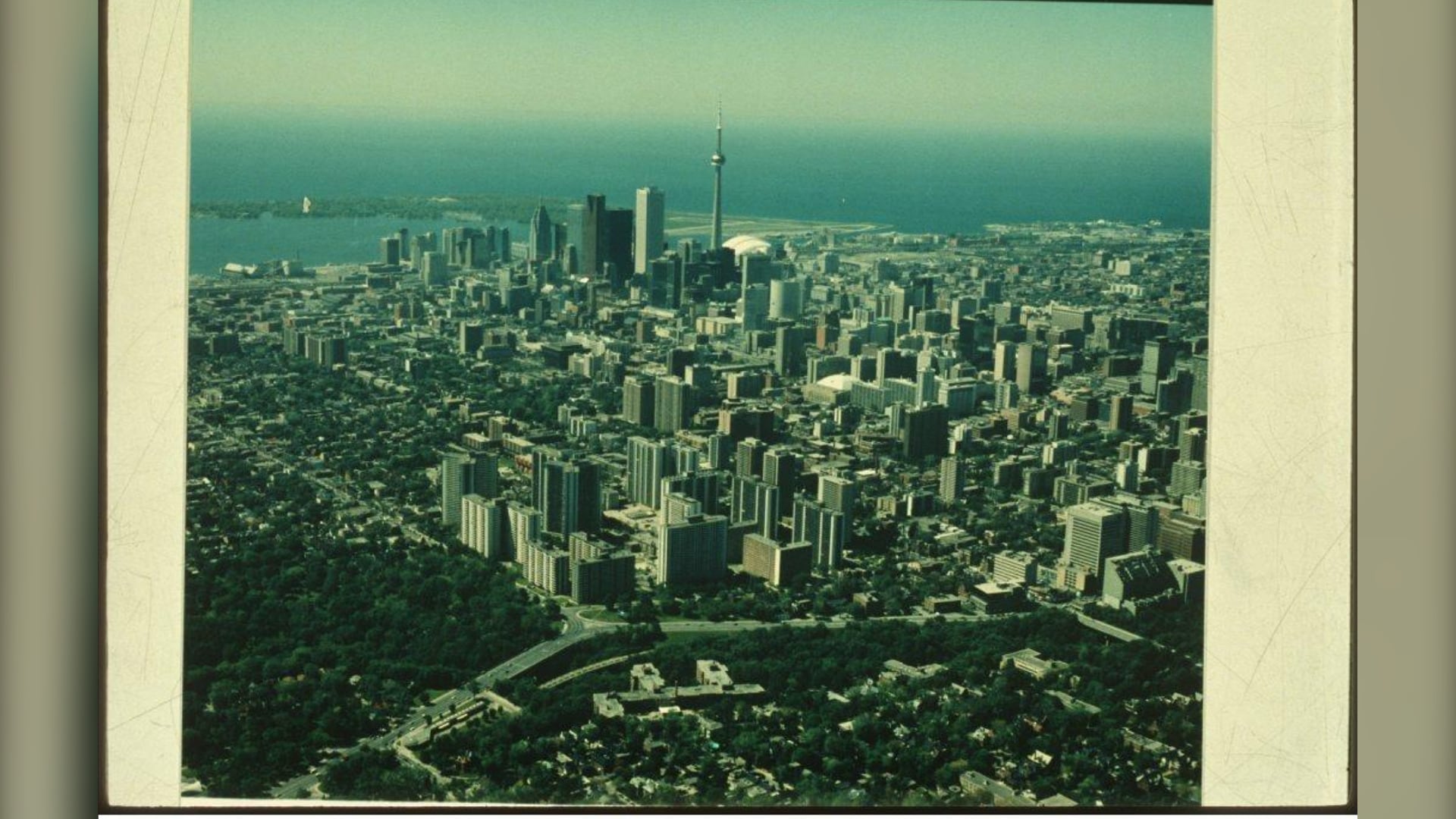
A lot has changed since the Blue Jays were last in the World Series 32 years back in 1993. For those who remember it, the world was a very different place in many ways. Smartphones didn’t exist, the city was a fraction of the size, and the Internet was just barely a thing. The Clintons were in the White House for the first time, the European Union had just been established, and NAFTA had just been signed a year earlier in 1992.
Here’s a glance back at what Toronto was like the last time the Blue Jays were in the series.
A smaller place
Back in 1993, Toronto was a growing city of roughly 2.3 million people, with 4.1 million people in the wider Census Metropolitan Area (CMA). Today, the city is home to more than 3 million people, with some 7 million people in the Toronto CMA.
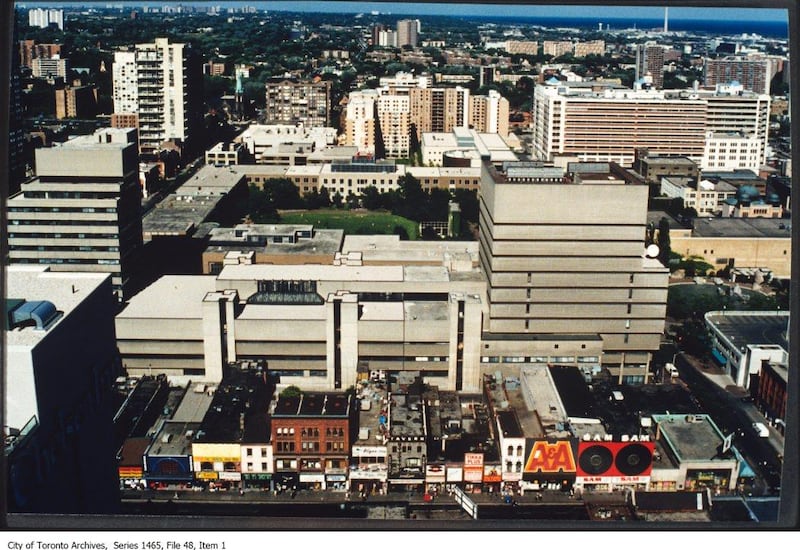
In terms of physical size, Toronto was a much smaller place. Back then there were still several separate municipalities – Toronto, York, East York, North York, Etobicoke and Scarborough, which shared an upper-tier municipality of Metro Toronto. It wasn’t until 1998 that they were unhappily merged into what became known as the “mega-city” of today with a single city government.
Pop culture
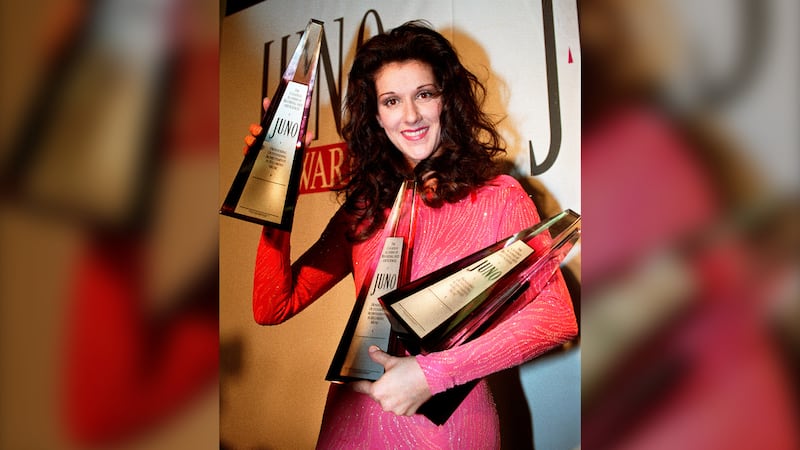
Aside from power ballads from the likes of Celine Dion and Whitney Houston, Nirvana was getting heavy play on Toronto radio stations, along with Aerosmith and the Smashing Pumpkins. Toronto artist Snow’s hit single “Informer” also topped the charts back in 1993.
Toronto kids at the time might remember running home to watch Power Rangers, Saved by the Bell, Degrassi, The Zone on YTV, Are You Afraid of The Dark, Much Music or Ready or Not.
Transit
Three decades ago, a cash fare ride on the TTC cost $1.25, while an unlimited monthly pass cost $67. That compares to a current Presto fare of $3.30 and a cost of $156.00 for a monthly pass.
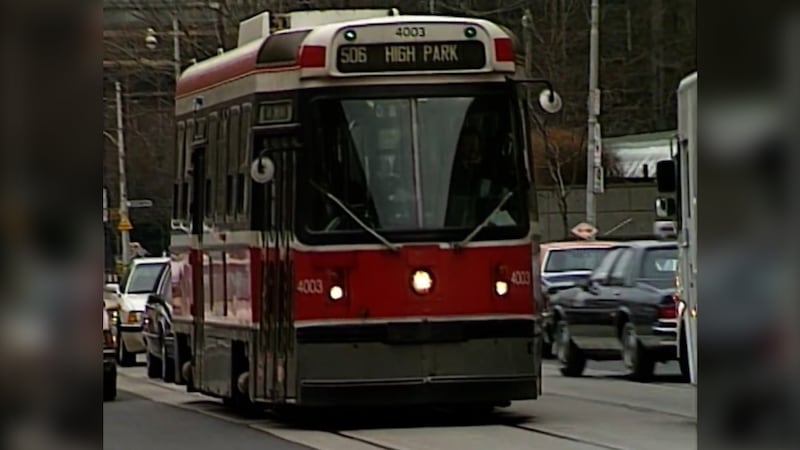
The subway system also had fewer stops back then. While Line 2 is virtually unchanged in the past three decades, the University side of Line 1 used to end at Wilson Station. It now extends seven stops further north at Vaughan Metropolitan Centre.
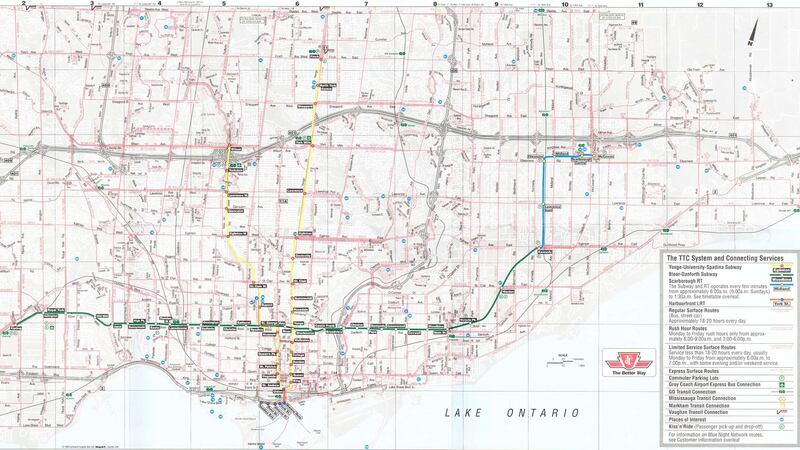
The Sheppard Line added another four stations to the system. While not a subway, the now-decommissioned Scarborough Rapid Transit line offered five more stops on the system beyond Kennedy Station in the east.
Politics
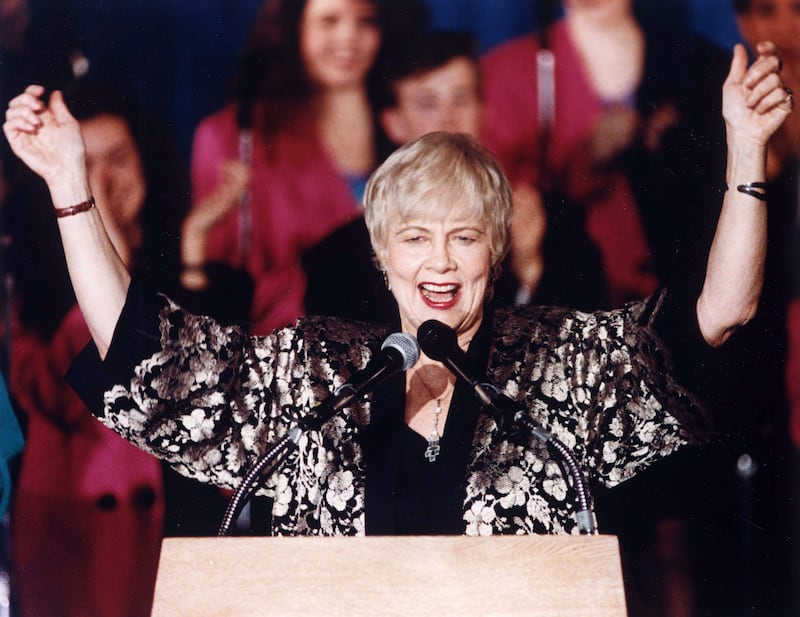
Back in 1993, June Rowlands was in the mayor’s chair -- the first woman to hold the top job at Toronto City Hall. At the time, a young Olivia Chow was a councillor for the now-defunct Downtown ward on Metropolitan Toronto Council.
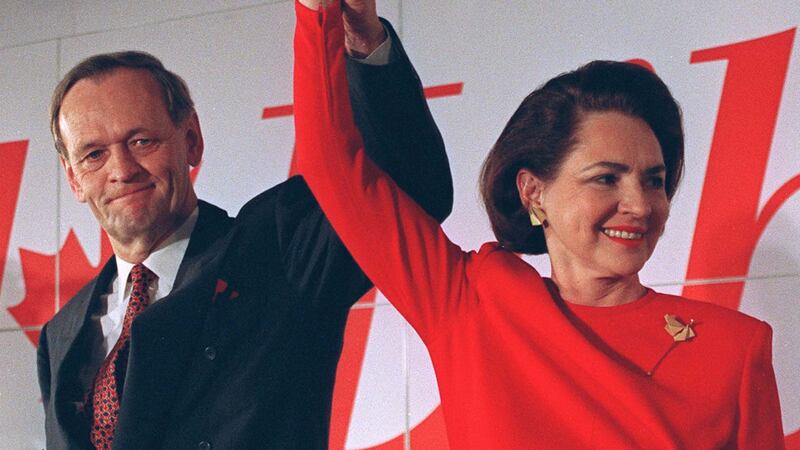
Change was in the air that year in federal politics. Just two days after the Jays won the World Series in 1993, Canadians headed to the polls, where Jean Chretien’s Liberals won a crushing victory over Kim Campbell’s PC Party.
Real estate
Those looking to buy a home today will wince to know that the average home price in Toronto was around $206,000, according to the Toronto Regional Real Estate Board (TRREB). Adjusted for inflation, that would be about $403,000. That compares to an average Toronto home price today of $1.1 million.
Technology
According to a World Bank estimate, just around one per cent of the Canadian population had Internet access in 1993. Newspapers and television were the main ways that people got their news.
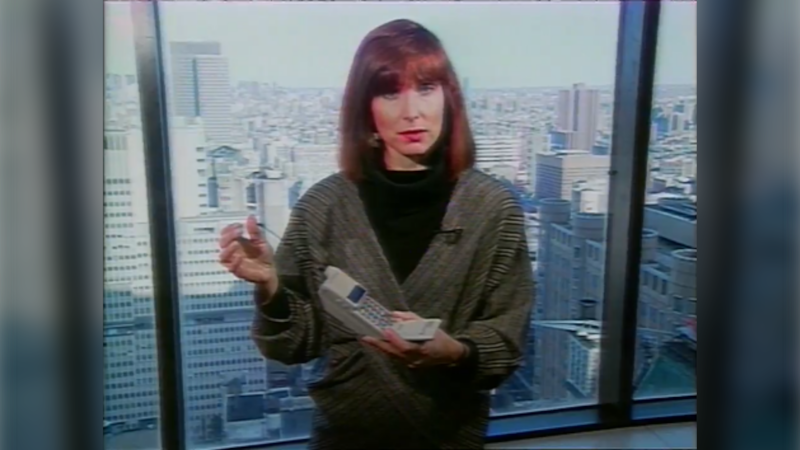
There were no smartphones, though cellphones were steadily being adopted. The first Blackberry device wouldn’t come out for another six years in 1999, while the iPhone only debuted in 2007.
The average price of a new car in Canada in 1993 was about $20,000. That compares to an average price of $64,000 today.