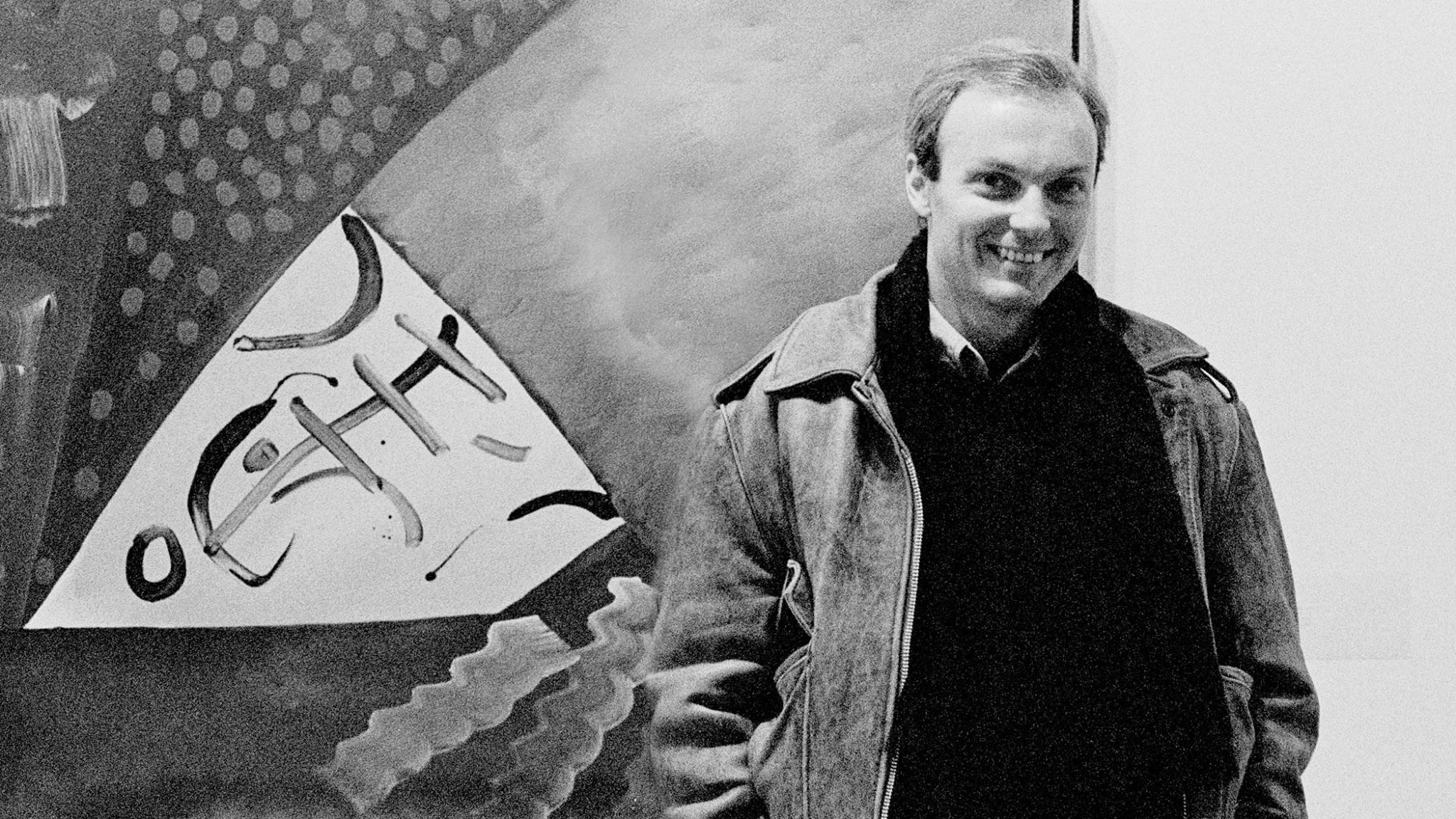
It’s been nearly 25 years since David Buller, a University of Toronto fine arts professor, was stabbed to death inside his office at the school’s downtown campus. It’s a grim anniversary his niece Karyn Sandlos never thought her family would have to mark.
“If somebody had said to me at the time, 25 years later, you’re still not going to know exactly what happened to David, I wouldn’t have believed it,” she said in an interview with CP24.com on Thursday.
In the days following her uncle’s murder, she said she thought investigators would crack the case in a matter of days.
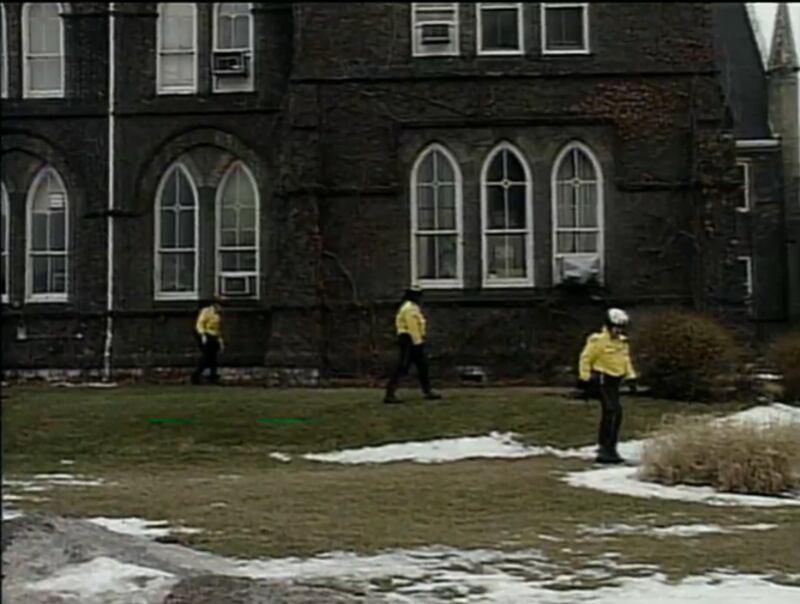
“It was so blatant. It happened during the day in a public place. There were theories at the time of what may have happened that seemed plausible. This is going to be solved,” she said.
But decades later, with limited physical evidence, suspects, or surveillance video, the investigation into Buller’s murder has fallen to the Toronto Police Service’s cold case unit.
Buller’s body was discovered inside his office shortly before 7 a.m. on Friday, Jan. 19, 2001. He had sustained multiple stab wounds and was pronounced dead at the scene.
Investigators at the time said the last person to see Buller alive was a student, who spotted him in an elevator at the university on Thursday afternoon. Students became concerned when Buller didn’t show up for a class he was supposed to teach that evening.
On the day his body was found, Sandlos said it was her sister who called to share the devastating news.
Sandlos, who was a graduate student at York University at the time, hopped in a taxi to gather with her family at her brother’s place. The route the cab driver chose took her right by 1 Spadina Crescent, the building where her uncle had just been killed.
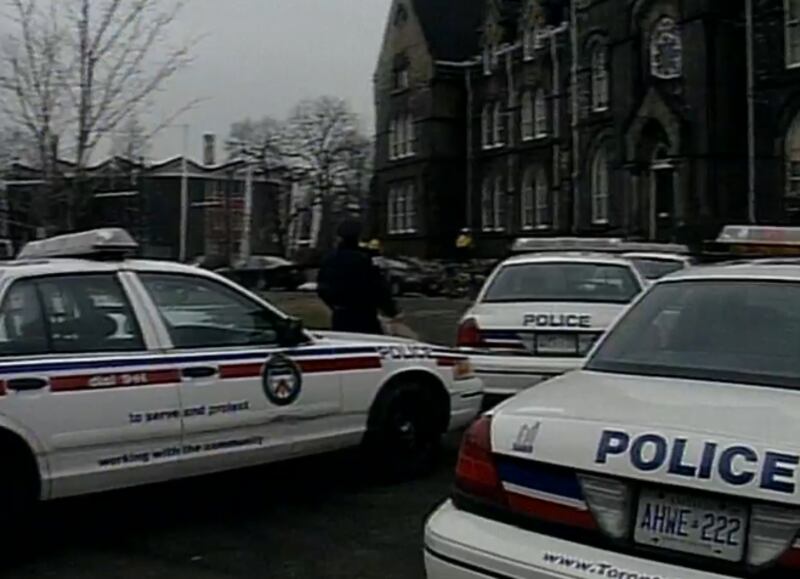
“I saw all the yellow police tape around and part of me thought, ‘I should get out. I should tell the cab driver to stop.’ But I didn’t do that,” she said.
“What I did say to the cab driver was, ‘Have you heard any news? Does anyone know what happened?’ You know, as though this was happening to someone else.”
‘A loud thud’
She said her family later learned that her uncle had been stabbed seven times in the back in his office, which she noted was tucked away in a part of the building that was difficult to find.
She said her family also discovered that people overheard an argument in the area of Buller’s office at around the time police believe he was murdered.
“There was a party going on at... a lab on the main floor,” she said. “They were having some kind of a gathering and people that were there overheard noises that indicated raised voices, possibly an argument, and then a loud thud.”
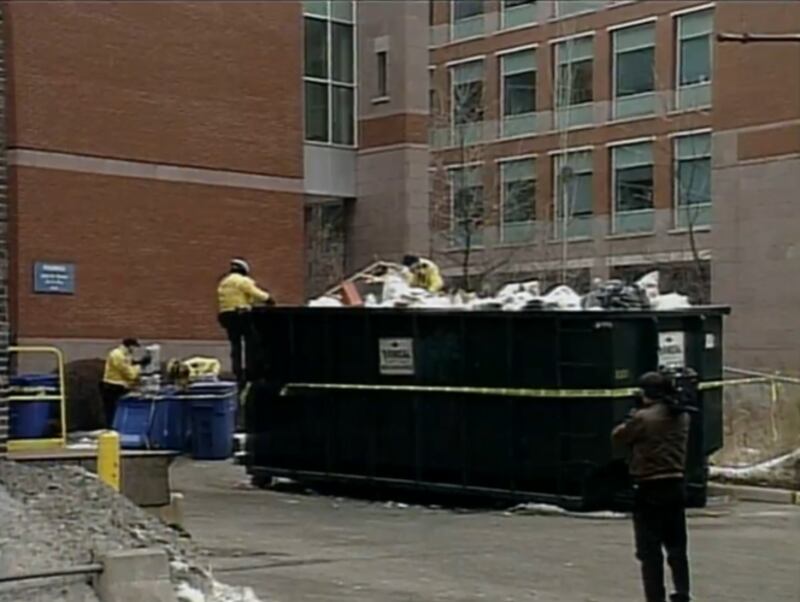
Many students were interviewed by investigators in the months following the attack, but no suspects were ever publicly identified.
While the police provided multiple theories about a possible motive for the murder, Sandlos said she dismissed certain ones that seems unlikely, including one suggesting that it was random.
“I’m fairly certain it was someone that he knew and trusted,” Sandlos said.
Theories were floated about the possibility of a disgruntled student that was unhappy with how they were evaluated. Investigators had also considered the possibility that there had been a dispute amongst colleagues, Sandlos said.
“Another theory was that maybe this was someone David was dating,” she said, adding that she was also “skeptical” about this explanation.
The last time Sandlos saw her uncle was on a long bus ride back to Toronto after spending the Christmas holidays at her mother’s home in Collingwood.
“It’s not the most exciting ride so we chatted a lot and he was very circumspect at the time. He was thinking a lot about his life. He told me that he wasn’t dating anyone at the time,” she said.
“Of course, I didn’t know, and he didn’t know that it would be the last time we spoke. I’m grateful for it, grateful for that bus ride now because it was only a few weeks later that we got the terrible news about David’s murder.”
An ‘amazingly creative’ role model
From a very young age, Sandlos said her uncle made an indelible impact on her life and the lives of her siblings.
“I grew up having this amazingly creative, interesting adult figure in my life. Somebody who didn’t live a conventional life in the sense that not only was David an artist, but he was also gay and openly so,” she said.
“As a child, I had this example of what it could look like to pursue your creative interests and also just be who you are in the world.”
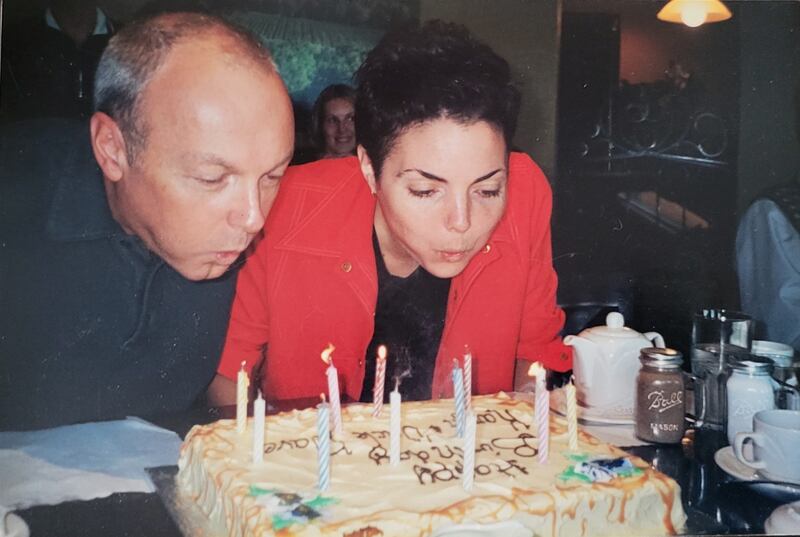
She said her uncle had initially pursued a more traditional career path, taking advertising courses at the Ontario College of Art and Design (OCAD). He ultimately realized that he wanted to be a painter and dropped out of the classes, she said.
“Painting was the more tenuous path, but he had to do it,” Sandlos said.
He later went on to get a master’s degree in painting at Concordia University.
“He struggled to support himself along the way. There are lots of family stories about my grandmother going to visit him at an apartment he was sharing with other students and finding only a jar of pickles in the fridge,” she laughed.
“David always told us those stories as part of the bigger narrative of his life. That it was about not only struggle, but also pursuing your passions.”
Sandlos, who now works as a professor of Art & Education at the University of Illinois Chicago, said her uncle recently popped into her mind during an art critique session.
“I thought, God, he would love this. And I wish I could talk to him about it because David wasn’t around when I moved to Chicago,” she said.
“He wasn’t around long enough to know how things turned out for me after graduate school.”
‘No one has ever come forward’
Sandlos said as time passes, she and her family worry that crucial pieces of the puzzle may be slipping away.
“It’s always frustrating because I know that someone out there knows what happened to David. Maybe more than one someone, and it’s frustrating to me that no one has ever come forward with that kind of definitive information,” she said.
“And because so much time has passed now, I worry, and we worry as a family, that people have died, colleagues of David’s are no longer around. People have moved on. People who might be significant to the case have left the country.”
Sandlos said she is still hopeful that someone will come forward after all these years.
“Even though we’re 25 years down the road… no piece of information is insignificant or too irrelevant or too small,” she said.
“Sometimes time clarifies things. When the police spent time interviewing students… they were young people. Now they’re adults, and they may, with the benefit of hindsight, realize that they did have some information that could be helpful in solving the case.”
Det.-Sgt. Steve Smith, the head of the Toronto Police Service’s cold case squad, said often when investigators are tipped off to a possible suspect, evidence starts to line up in a way that never made sense before.
“It’s all these unknowns that you have when you don’t know who that offender is, and as soon as you name that offender, 15 different things fall into place,” he said.
“This all makes sense now, whereas the the day before, nothing made sense.”
‘We don’t have certainty’
Sandlos said her family spent many years struggling with all of the unanswered questions.
“Losing David left a big hole in my family. And that’s a hole that’s never been filled. It only gets filled with our memories of him,” she said.
She said her uncle’s murder impacted not only his loved ones, but people and communities across Toronto.
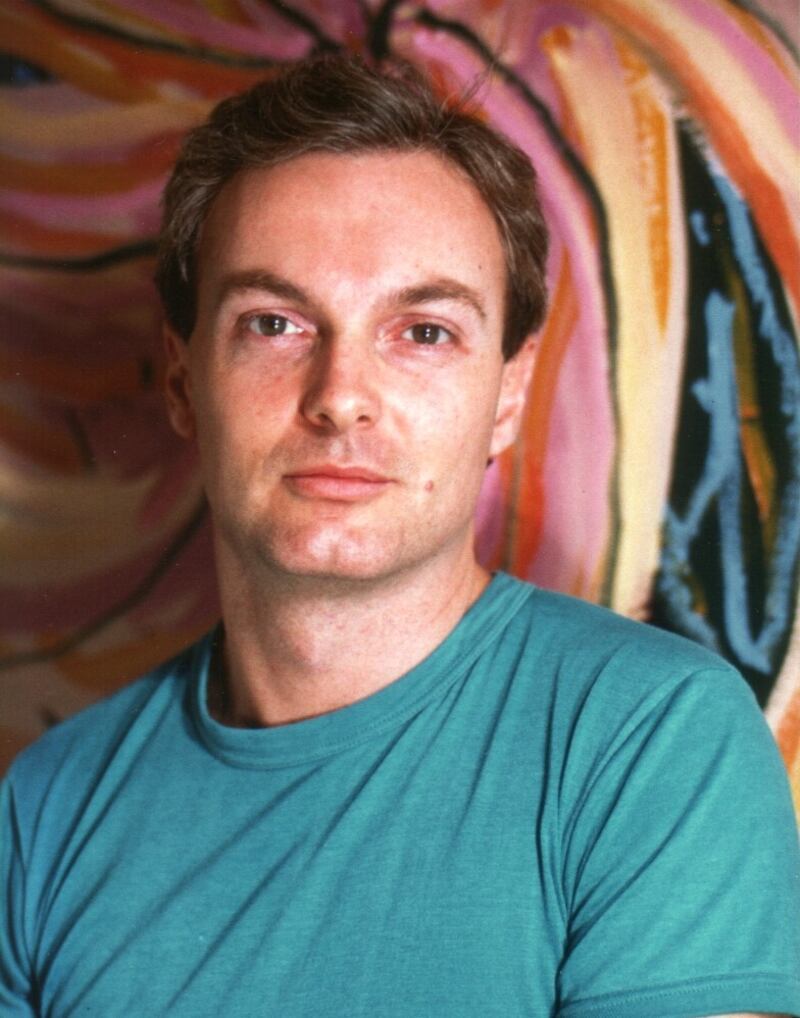
“A lot of people in the arts community in Toronto who knew David, even people who didn’t know him, felt the vulnerability of this,” she said.
“It really impacted the university. It impacted people who are academics at the time. I think this case really reverberated through the queer community in Toronto and it still does. Anything that is this terrible and this unknown doesn’t leave us.”
She said many students have told her about the “very significant and positive influence” David had on their lives and careers.
“They always talked about David as one of their best professors, one of their most memorable professors, somebody who took an interest in students, took their work seriously, and also tried to push them,” she said.
Sandlos said that her family will never stop trying to figure out what happened to her uncle.
“We don’t know exactly what happened. We have theories. But we don’t have certainty. But what we do have is the amazing gift of having had David in our lives. And I will always feel incredibly lucky.”

