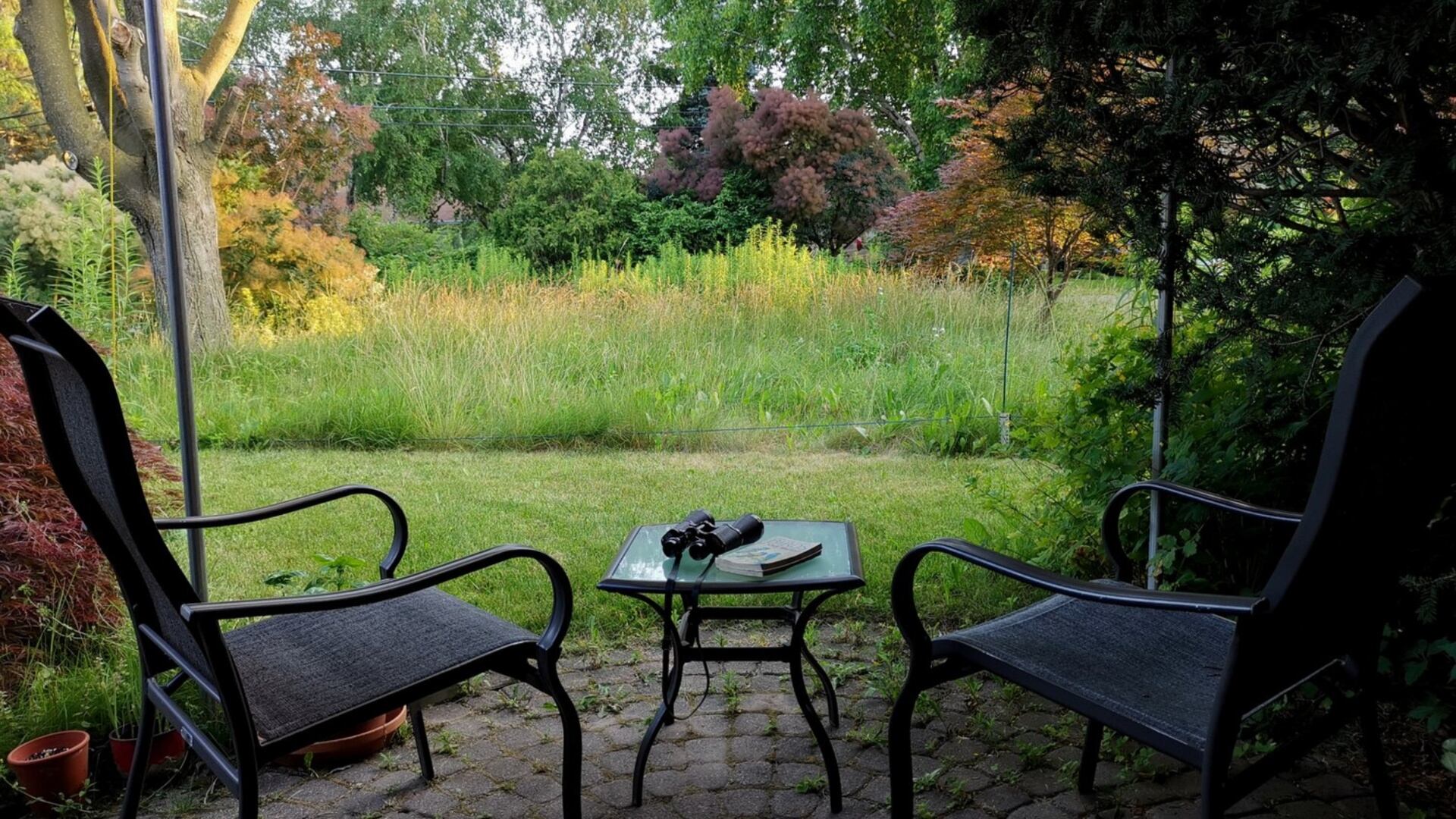
A Mississauga man has won a court challenge over a bylaw that required homeowners to keep the grass on their lawns under 20 centimetres in height.
Wolf Ruck told CTV News Toronto that he essentially completed a years-long postgraduate in law so he could go toe-to-toe with the City of Mississauga in a legal fight to preserve his naturalized garden. On Jan. 6, the Ontario Superior Court ruled in Ruck’s favour, finding that the city’s bylaw governing the length of grass on homeowners’ lawns infringed his charter rights.
The battle first began in 2021, Ruck says, when a bylaw officer knocked on his door, informing him he had received complaints about his lawn and to cut everything down as the goldenrod he had planted was a “health hazard.”
“At that point, I had to educate him and say goldenrod is often mistaken for ragweed,” Ruck said in an interview with CTV News Toronto on Friday. Goldenrod often gets blamed for causing allergies as it looks similar to ragweed, which Ruck says is the real culprit.
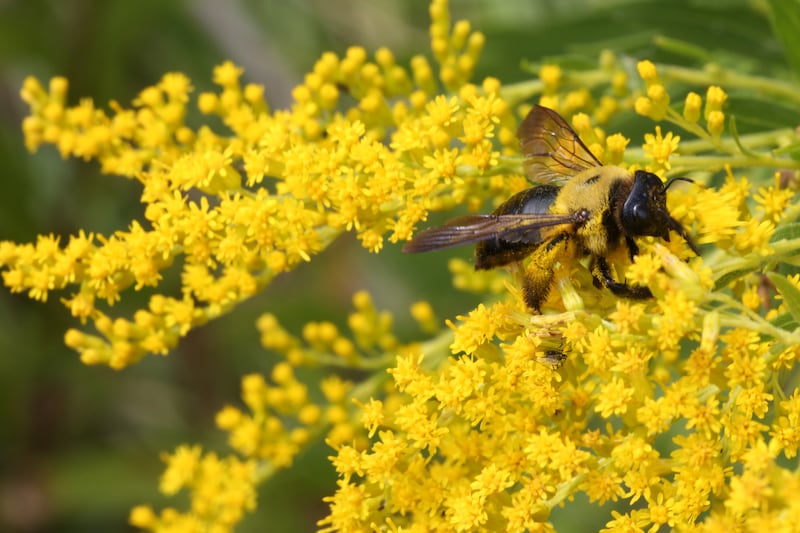
Ruck is part of the natural gardening community, a group that puts a focus on bioecological function over pure aesthetics. In the court documents, Ruck argued his yard was a bird and wildlife sanctuary, adding the long grass served as a food source for the animals.
Even still, he received more complaints from neighbours in the years that followed, and in 2023 the city arranged to mow his lawn and remove nuisance weeds—dog-strangling vine and sow thistle—when Ruck did not comply. The city paid its contractor $287.59 and added the bill for the job onto Ruck’s property taxes.
“The majority of people are not interested in the kind of work that I’m doing with my property,” Ruck said. “In fact, they consider it as an affront, as aesthetically unpleasing, and so on and so forth, and that’s why they lodge these complaints.”
Ruck initially represented himself in court but eventually received legal support from the Canadian Constitution Foundation (CCF).
‘Not insignificant’
On Wednesday, Superior Court Justice Michael Doi ruled that residents have the freedom to express themselves, consequently deeming parts of the bylaw were unconstitutional.
“In this case, I find that the impact of the By-law’s tall grass and nuisance weed provisions on the right to freedom of expression is relatively serious. The provisions serve to restrict societal expression at a landowner’s home,” Superior Court Justice Michael Doi wrote in Wednesday’s decision.
“Given the nature of Mr. Ruck’s expressive content about the importance of ecological conservation and re-wilding with nature, and his desire to convey this by offering his lifestyle as an example for others, the impugned provisions of the By-law serve to restrict his right to free expression on his own private property in a manner that is not insignificant.”
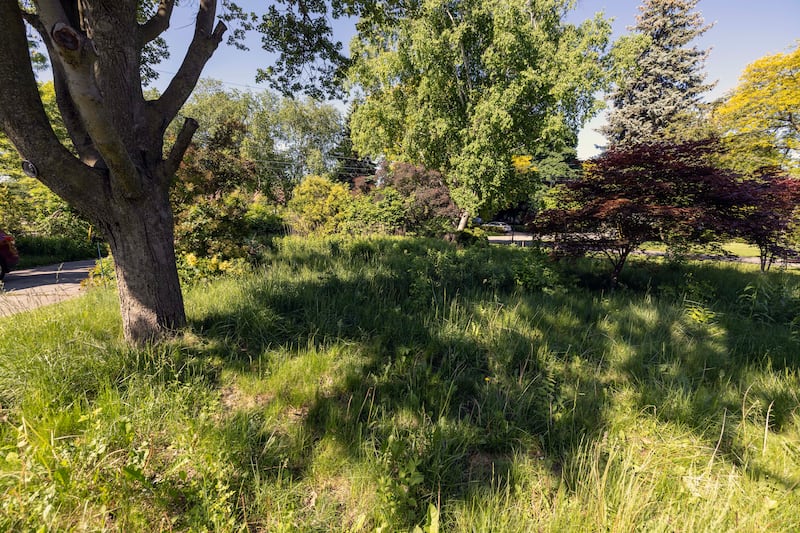
Ruck wasn’t awarded damages but he was absolved of paying the city for the yard work they had independently orchestrated. Additionally, Doi struck down the “unconstitutional provisions” of Mississauga’s bylaw, which are the ones pertaining to grass height and the requirement to remove plants on the noxious weed list.
How the city was governing tall grass and nuisance weeds was drawn from the Weed Control Act, which Doi noted was not intended to regulate residential or commercial properties, but for agricultural and horticultural land.
John Mather, a partner at DMG Advocates LLP that represented CCF, told CTV News Toronto he was thrilled with Doi’s decision, calling the ruling a “great victory” not just for Ruck, but for any natural gardener across the province.
“Yes, municipalities can pass bylaws that deal with how people treat their lawns and they can do them for good purposes, including reducing the risk of fire or reducing the risk of spreading invasive species,” Mather said.
“But when they do it, they are infringing private property owners’ rights to express themselves, and they have to do so in a way that is minimally impairing and proportional and the City of Mississauga essentially has no evidence to support why this bylaw was justified.”
The Canadian Constitution Foundation tells CTV News Toronto this ruling “should serve as a warning” for other municipalities across the province, as their bylaws could be challenged in a similar way if they fail to update them to accommodate naturalized gardens like Ruck’s.
“Some municipalities, for example Burlington, have already updated their laws, and could provide a positive example of how to achieve reasonable property standards without preventing this form of free expression,” the CCF said in a statement.
City’s next steps
The 79-year-old says he is ultimately relieved and pleased by Doi’s decision, adding his case can help other naturalist gardeners.
“This particular decision is essentially a precedent that is being set not only in Mississauga, Region of Peel and the province of Ontario, but literally across Canada. It’s a precedent that people can use who are environmentally conscious and want to be responsible in terms of climate change and biodiversity decline,” Ruck said.
As for what the City of Mississauga plans to do next following this decision, they told CTV News Toronto they are still reviewing and considering their future actions.
“The City has not made any decisions regarding next steps at this time,” Irene McCutcheon, Mississauga’s senior communications advisor, said in an email.
Ruck is taking this week’s ruling as a win, something to celebrate as he gears up to ring in his 80th birthday.
“I couldn’t ask for a better sort of birthday celebration.”

