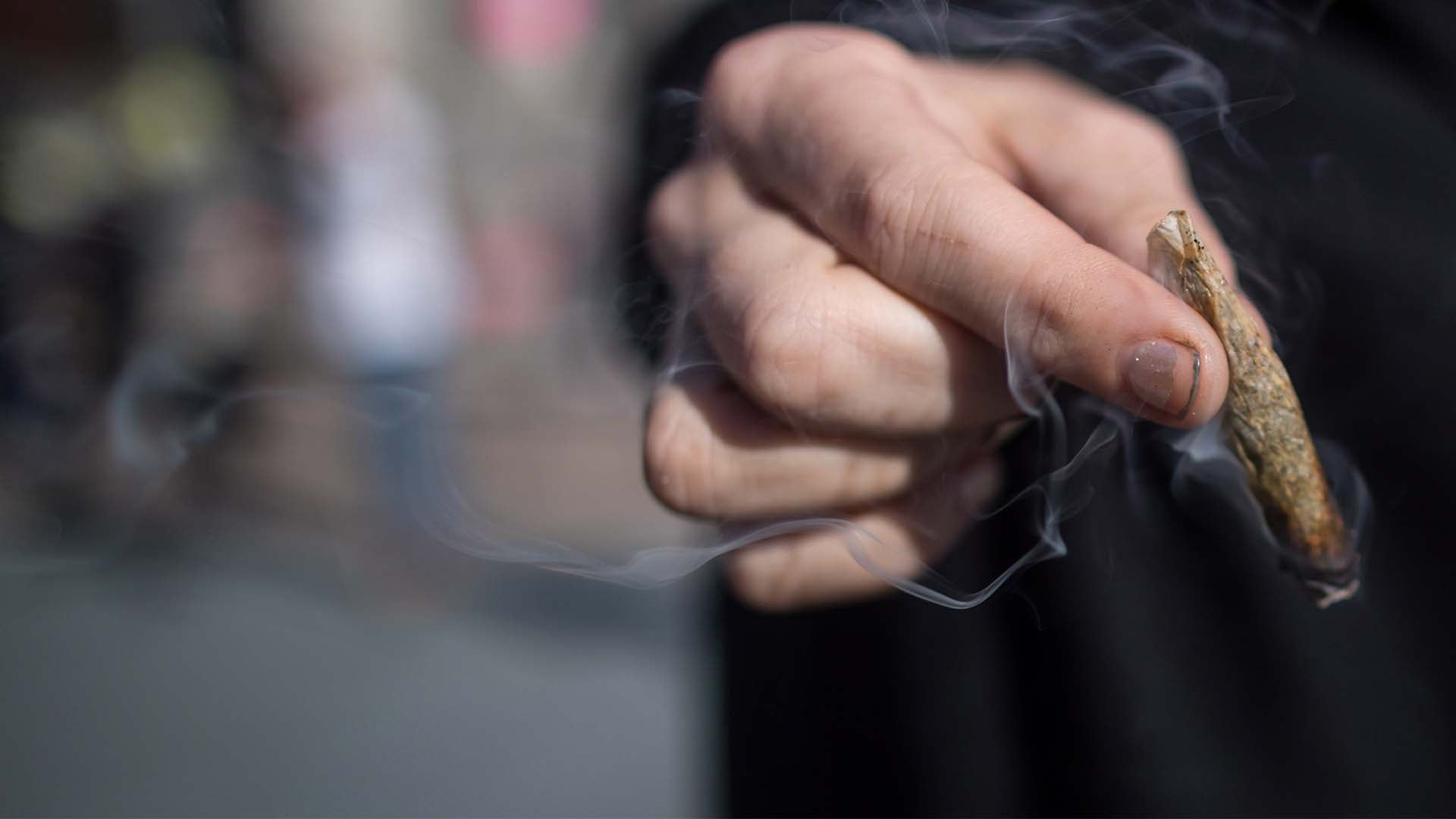
Psychological distress, including depression and anxiety, among Ontario teenagers has increased in the past decade and it may be linked to cannabis use, a new Ontario study suggests.
McMaster University published the study in the journal Addiction on Thursday, saying that psychological distress among teenagers has nearly tripled in the past decade and that frequent cannabis use is increasingly tied to that distress, especially among girls.
“It’s quite concerning from a mental health perspective,” Andre McDonald, lead author and post-doctoral fellow at McMaster University, told CTV News Toronto on Thursday. “Far more Ontario teens are reporting mental health problems than a decade ago, and frequent cannabis use is increasingly part of that story.”
“Whether cannabis is contributing to those problems or being used to cope with them, today’s products are more potent and may carry greater risks than many people realize, especially for teens.”
The study analyzed data from 35,000 students in Ontario between grades seven and 12 and found that symptoms of depression and anxiety nearly tripled from 2013 (10.7 per cent) to 2023 (27.4 per cent).
Roughly 20 per cent of the more than 35,000 students involved in the study reported cannabis use. The study also found that youth who used cannabis 40 times or more a year reported an 18 per cent higher prevalence of psychological distress.
The research showed that nearly half of the teens who reported cannabis use in 2023 said they use it to cope with mental health problems with many reporting unmet mental health needs. This was particularly common among girls, who also showed a stronger association between cannabis use and psychological distress than boys, McDonald said.
“I wasn’t expecting that. We actually don’t really have a lot of good explanations for why that would be. Girls are facing a lot of different stressors than boys at this age so it’s possible that those are interacting with substance use,” McDonald said.
“It’s difficult to pinpoint what it is, but those are some factors in play.”
The study states that the higher rate of mental distress among teens who used cannabis 40 times or more a year was not observed in 2013. McDonald said one reason for that could be the increased potency of cannabis.
He stated that a lot of historic research looking at the links between cannabis use and depression found there wasn’t a strong association between them but a lot of that research was based on older data when cannabis was less potent.
“That was kind of like one of the motivating factors for this study was to look at years where cannabis was more potent and we followed that hypothesis that we would find a stronger association as time went,” McDonald said. “What was interesting from this study was that the association between cannabis use and psychological distress increased over time. What this study is suggesting is that cannabis potency has increased, which could be contributing to that strengthening association.”
McDonald said there is a growing gap in psychological distress between teens who use cannabis frequently and those who don’t. He added that further research needs to be conducted to know if using cannabis is contributing to the mental health issues, if teens are turning to the substance to cope with them, or both.
“In 2023, those who used 40 or more times in the past year they were 18 per cent more likely to have psychological distress compared to teams who didn’t report cannabis use,” he said. “That’s a significant difference. There’s a lot of different factors that are contributing to this does suggest that cannabis is increasingly part of that story.”
For the study, researchers used data from the Ontario Student Drug Use and Health Survey, a long-running population-based survey of students in grades seven to 12.
McDonald said the rise in mental health distress likely reflects a combination of broader pressures on teens, including the COVID-19 pandemic, economic challenges, and shifting social stressors, though these factors were not measured directly.
While this study does not explain causality between psychological distress and cannabis use, McDonald said policymakers should prioritize cannabis prevention strategies that aim to reduce frequency use, limit potency and delay age of initiation.
“Teens should, as much as possible, delay the age of initiation of cannabis use and understand that their brains are still developing, and this is kind of a vulnerable period to be using cannabis,” he said.
“It’s also possible that teens are kind of turning to cannabis more to cope with their mental health problems. It’s a little unclear from this study.”

