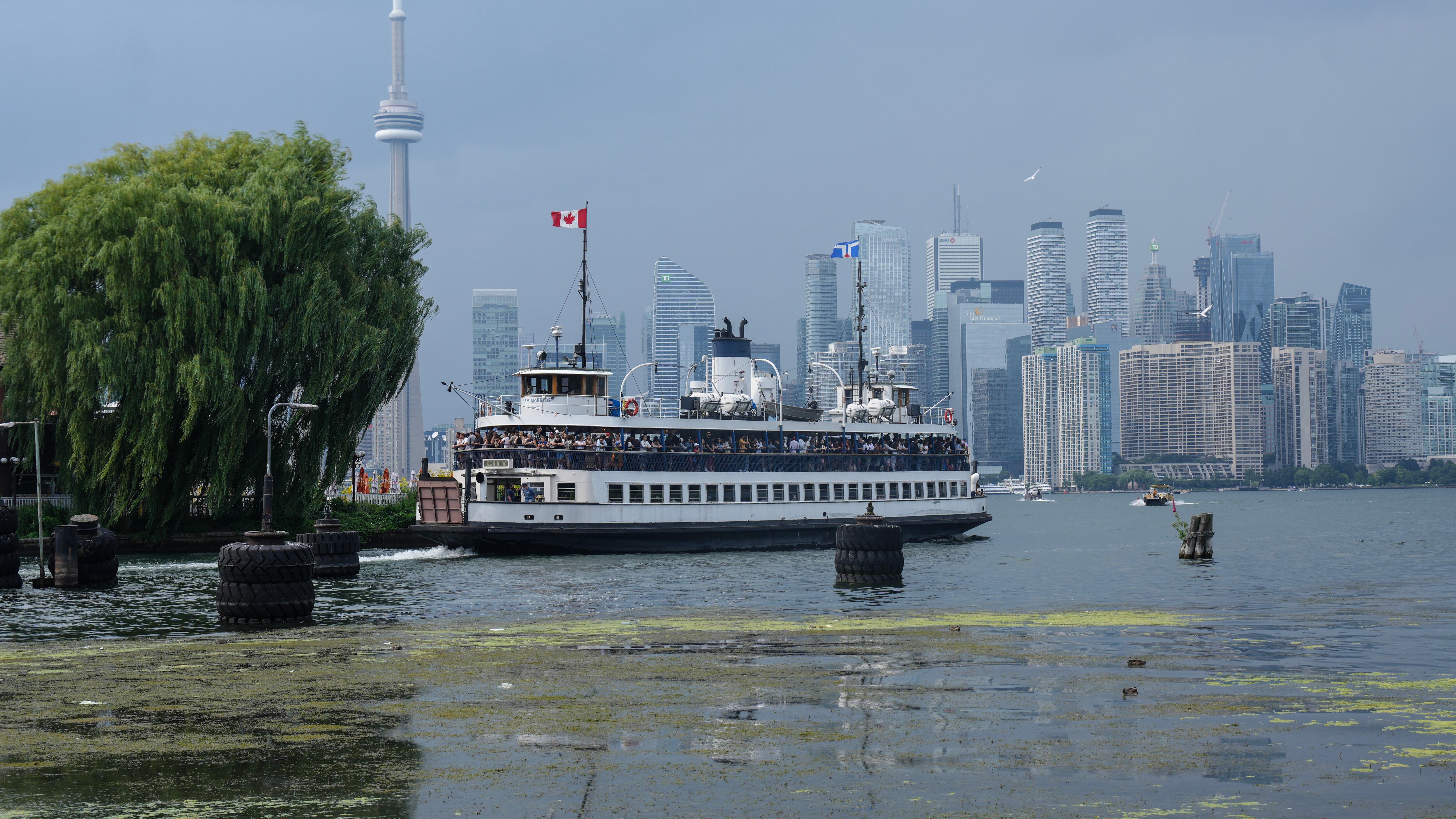
Toronto’s new electric ferries are gearing up to set sail soon, and the city wants you to choose their names.
On Wednesday, the city released a shortlist of names for the ferries, which were selected by a committee comprised of staff and community partners.
Five of the possible names are connected to the Toronto Islands. They include:
- Bluebell II for the bluebell wildflowers
- Harbour Swan for the swans in Toronto Harbour
- Island Willow for the willow trees lining the island’s pathways
- Water Strider for the insects gliding smoothly across the water
- Island Chickadee for the island’s songbirds
The other names on the list are Blue Current, Great Lake Dancer, Harbourlight III, Lady of the Quays, The Harbour Passage, Toronto Islander, Discovery VI and Cloudbreaker.
Toronto residents can cast their vote online. You have until April 6 at 11:59 p.m. to pick a name.
The city says the winning names will be announced this spring.
The electric ferries designed by a Quebec City company are currently under construction at a shipyard in Romania.
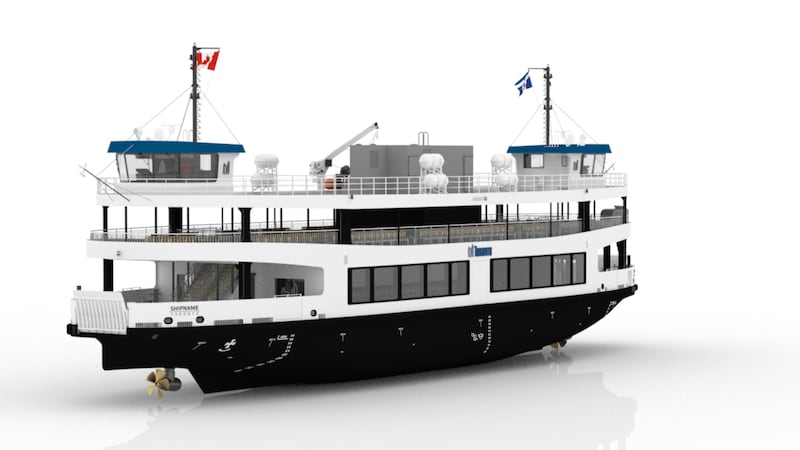
“They will provide better boarding flow, upgraded accessibility features, and modern amenities, helping meet growing demand. The ferries will also reduce emissions and support a more sustainable waterfront,” the city said in a news release.
According to the city’s website, the first electric ferry is scheduled to arrive in late fall of 2026. It will then undergo commissioning, crew training and lake trials before entering service, which is expected in spring of 2027.
The first electric ferry will replace the ferry Ongiara, which can only carry 216 passengers and 10 cars.
The city says the new ferry is designed for year-round use and has ice-breaking capabilities. It can carry up to 615 passengers and 14 cars. With no vehicles, the electric ferry has the capacity of 1,300 passengers.
The second ferry is scheduled to arrive in the spring of 2027 and will replace the William Inglis, the oldest in the city’s fleet.
It also has a capacity of carrying up to 1,300 passengers.

