Toronto is doubling down on its fight against gridlock, unveiling an updated congestion management plan Friday that leans heavily on transit, technology and tighter control of construction across the city.
The $299.4 million update, for 2026-2028, comes as congestion remains a defining challenge for the city. Drivers lost roughly 100 hours — more than four days — to traffic last year, according to TomTom’s annual index, ranking Toronto among the most gridlocked in Canada. The plan also lands just months before six FIFA World Cup matches arrive at BMO Field, with officials already rolling out a “transit-first” mobility strategy to keep the city moving during the global event.
Today, Toronto Mayor Olivia Chow framed the latest plan as both proof of progress and a signal that more aggressive action is ahead.
“If you’ve ever missed a meeting, been late picking up your kids, or watched your bus crawl through an intersection that should have cleared 10 minutes ago, you felt it – that frustration. And we’re fixing it,” Chow said.
“Toronto is moving in the right direction. Today’s anti-congestion plan is both an update on work underway and a vision for what’s next.”
A five-part strategy
The city’s updated plan is built around five pillars: reducing construction disruption, expanding traffic management, improving transit reliability, deploying smart technology and shifting how people travel.
Key actions for this year include making streetcars and buses faster across 72 locations, expanding smart signal network to 244 locations and 356 intersections so the city can respond to traffic conditions in real time.
Still, officials say some early gains are already visible.
“Commuters are getting through downtown 12 per cent faster. That’s five full minutes shaved off a trip that used to take 40 minutes,” Chow said.
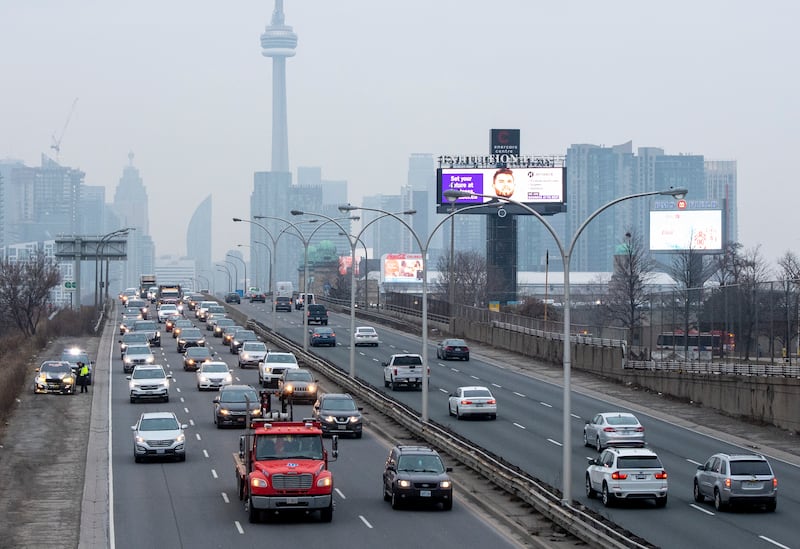
Construction-related road closures are also shorter by an average of about 2.5 days, a change the city attributes in part to new fees that penalize prolonged lane closures.
“Now, every day they close a lane, they pay more. The result: lanes are reopening much faster,” Chow said.
Traffic agents — once limited in number — have also expanded significantly, Chow emphasized.
“When I became mayor of Toronto, we had a handful of traffic agents. Today, we have 100 at key intersection, and we’re hiring more,” she added.
New ‘traffic czar’ signals broader shift
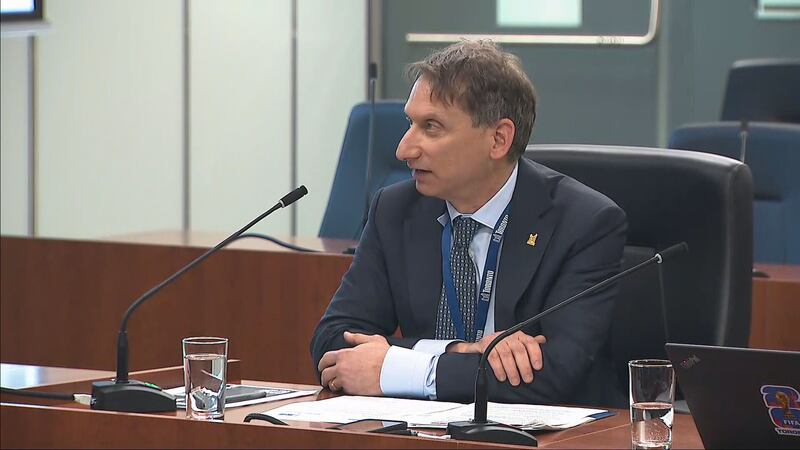
Much of the plan will be overseen by Andrew Posluns, the city’s first Chief Congestion Officer, appointed earlier this year to take a more overhead approach to gridlock.
“Congestion is also a challenge, a frustration for residents and visitors. It can be a drain on the economy. It impacts our environment, and if it’s not managed, it can lead to a lower quality of life,” Posluns said.
By one estimate, congestion costs the regional economy about $10 billion annually.
Posluns said the city needs to think beyond short-term fixes.
“I think we need to broaden our approach a little bit, change the culture, elevate congestion in our thinking across everything we do,” he said.
The plan also leans heavily on technology, including smart traffic signals that adjust in real time.
“Smart traffic signals… use real-time traffic data combined with machine learning… to automatically optimize signal timing without the need for manual interventions,” Posluns said.
Chow, for her part, signalled she remains committed to expanding automated enforcement tools despite past setbacks when it came to controversial speed cameras.
“I don’t like giving up. We know it works, just like we know speed camera works,” she said. “I have not given up.”

