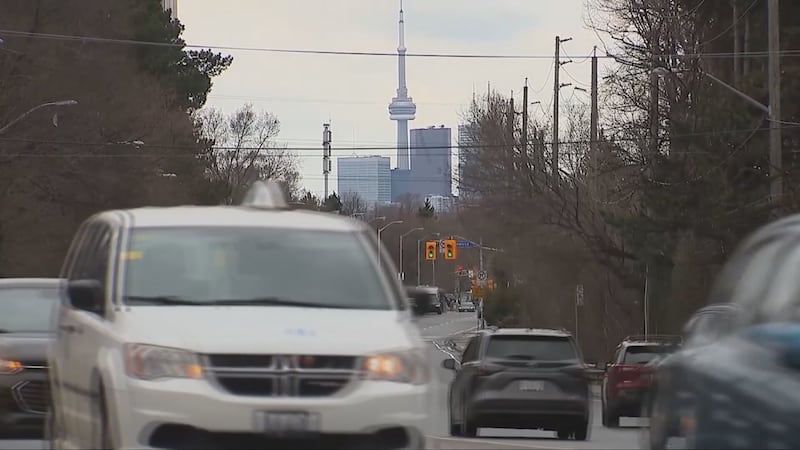
In a city filled with traditional taxi and ridesharing, self-driving vehicles could soon be a new mode of transportation seen on Toronto’s streets.
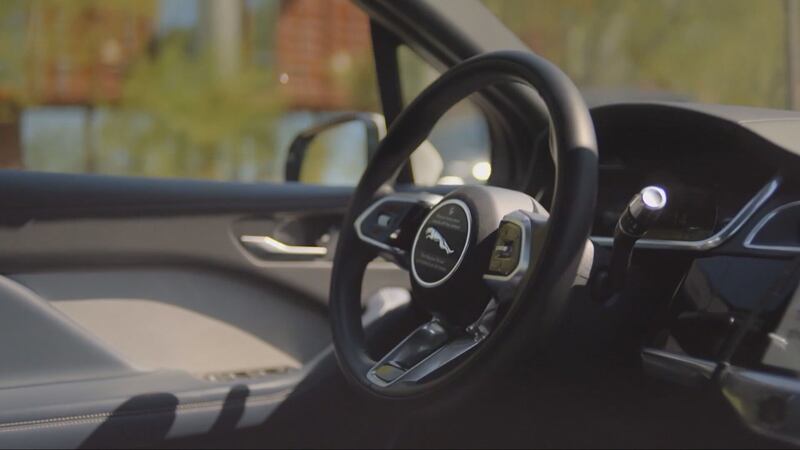
Waymo is a fully autonomous ridesharing service, with no human in the front seat.
The California-based tech company already operates in 11 U.S. cities and is looking to expand into other major cities, including London, Tokyo, and possibly Toronto.
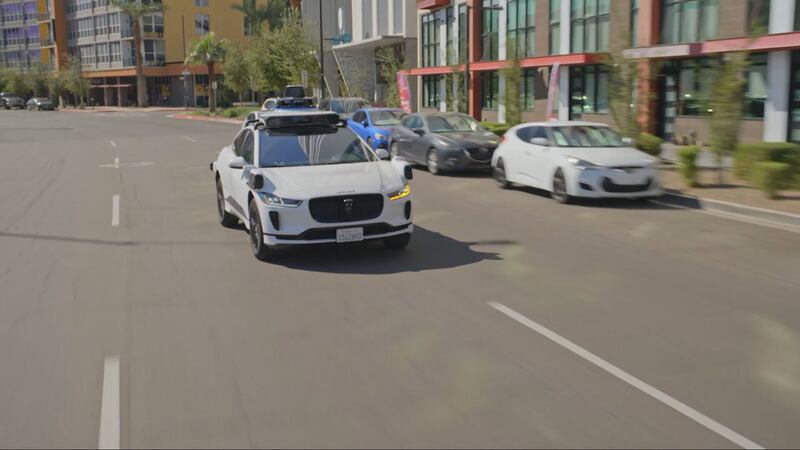
“The big advantage that self driving cars have over human drivers is that they can see in all directions at all the time and never get tired of bored,” said Steven Waslander, a professor at University of Toronto’s Institute for Aerospace Studies, told CTV News Toronto.

Chow’s ‘priority is protecting jobs’
Mayor Olivia Chow’s office says Waymo, which is owned by Google’s parent company Alphabet, told them it plans to apply for a provincial pilot program to conduct tests.
“The Mayor’s priority is protecting jobs in Toronto. Any move toward autonomous vehicles must not put people out of work or undermine workers’ livelihoods,” a spokesperson for the mayor said in a written statement.
“(She) will not support Waymo if it costs jobs, drives down wages for other workers, or contributed to precarious work in our city. Waymo must demonstrate this will not happen.”

Alex Ferworn, a computer science professor at Toronto Metropolitan University (TMU), said there are concerns about what happens when these self-driving rideshares don’t have passengers in them.
“Do they just circle? Doesn’t that just add to the traffic problems we already experience?,” he wondered.
Toronto had previous self-driving pilots
This wouldn’t be the first time a self-driving vehicle pilot project would meet Toronto traffic.
Last summer, Magna International was accepted into Ontario’s automatic vehicle pilot program. The city was against it, however, and the test drive ended just a few months later.
In 2021, self-driving shuttle uses were launched, but were cancelled the same year after a collision and the supplier shutdown.
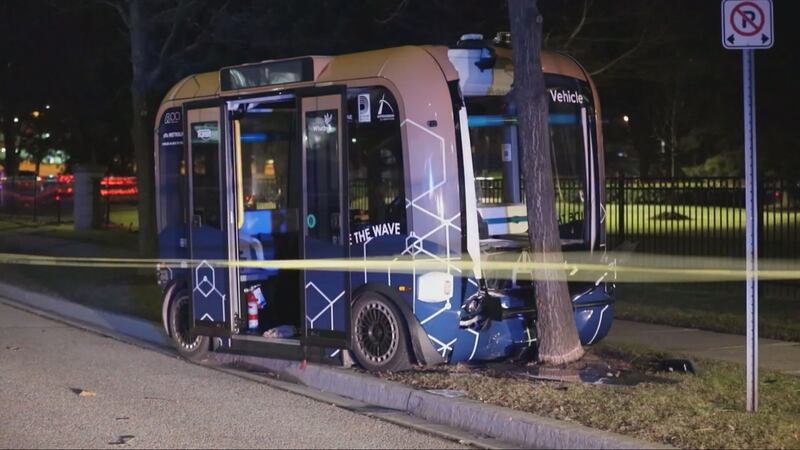
“Would you sue the manufacturer of the AI that is in the car, and that is an open question,” Ferworn, the TMU computer science professor, said.
Waymo’s website says its vehicles undergo rigorous safety checks.
Under the provincial pilot, collisions must be reported within 10 days and have enough insurance to operate in Ontario.
CTV News Toronto spoke with a number of people, asking them what they think about the concept f self-driving rideshare vehicles in the city. Reaction was mixed.
“I don’t think I would feel very comfortable with that, just because, if there’s like, a technical error or something,” said one woman.
Another said they think self-driving vehicles are “cost efficient.”
“They have it in San Francisco, and I tried it out, and it’s pretty good,” she said.
A third person we interviewed said they aren’t a “fan of robotics taking people’s jobs in general, or AI, or like any of that stuff,” adding autonomous ridesharing “feels somewhat inevitable.”
Neither the Ontario Minister of Transportation, nor Waymo have responded to CTV News Toronto’s requests about bringing these vehicles to the city.

