A Toronto jail guard will himself be behind bars after pleading guilty to smuggling thousands of dollars of drugs and weapons into the Toronto South Detention Centre (TSDC), in a case observers worry is the tip of the iceberg when it comes to sneaking in potentially deadly contraband.
Yathu Sathiyakanthan admitted he brought packages of drugs, including MDMA and hashish, cellphones and even ceramic blades through security at the facility—something he expressed remorse for in court, calling his conduct “morally wrong” and “impulsive and stupid,” according to a judge’s ruling in the case.
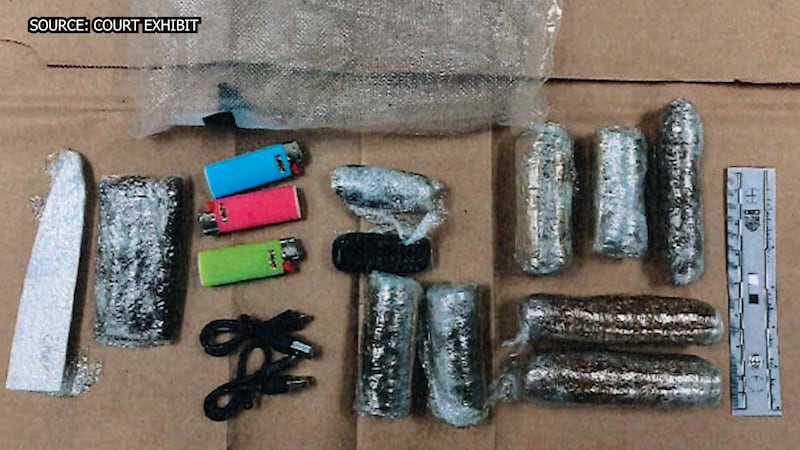
“This offender directly contributed to a dangerous environment for everyone inside the institution. Mr. Sathiyakanthan had unique access at the TSDC. He was entrusted with the keeping the facility safe and secure for inmates and staff, he did precisely the opposite,” said Justice Hafeez Amarshi in his ruling.
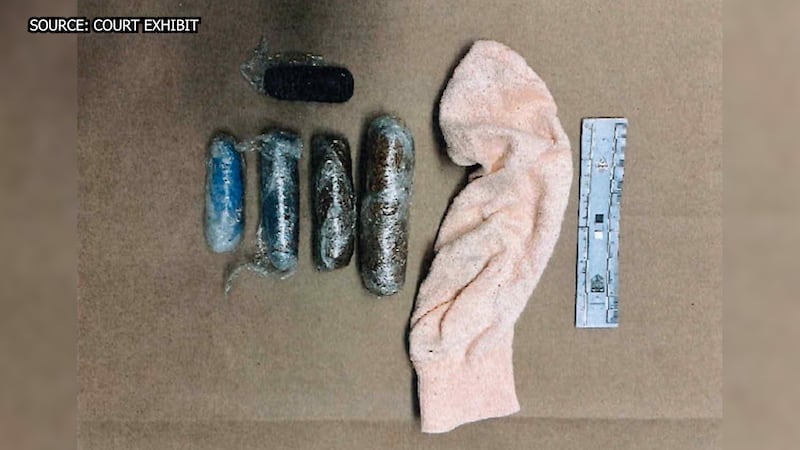
The first sign of the crime was a pink sock discovered in the search of an inmate’s cell in October 2024, that was filled with marijuana, tobacco, and a lighter.
Then, another sock fell from the boxers of his cellmate, with hash, MDMA, and a mini cell phone, the judgment says.
It turned out Sathiyakanthan, who had only been working there since June 2023, was the source of the packages. During his morning break, he had driven his personal vehicle to a nearby parking lot to pick them up from an unidentified woman, the judge said.
Officers searched his correctional jacket to find a new cell phone and charger still in the wrapper, despite a prohibition against having communication devices inside the secure area of the jail.
Then his vehicle was searched to find another package in the trunk, containing opioid drugs, two more cell phones, and three ceramic blades, probably to evade the metal detectors at the institution, the judge wrote.
And he also had $15,000 in payment for the packages, Sathiyakanthan admitted, also saying he had brought packages into the institution three times before.

Sathiyakanthan pleaded guilty to breach of trust by a public officer, possession of a weapon for a dangerous purpose, and possession of oxycodone and hydromorphone for the purposes of trafficking.
The 26-month sentence he received will mean that he will miss the birth of his first child, Justice Amarshi wrote.
Sathiyakanthan received several letters of support from other employers and his family members, with the judge saying that he had no previous criminal record and that there are “prospects for rehabilitation.”
Not the first time prison guard convicted of smuggling in drugs
It’s not the first time a prison guard has been found guilty of smuggling drugs behind bars, where they can command a premium of ten times what they are worth on the street. The court heard of eight other examples in the past two decades.
Toronto rapper Hassan Ali, whose stage name is Top5, bragged in 2024 that while he was facing first-degree murder charges, he had a knife, cheeseburger and cellphone in jail thanks to a correctional officer whom he paid $10,000 — a phone he used to record a music video.
But correctional officers are far from the only source, said Norm Taylor, an independent policy advisor and the lead writer for a 2023 report from the Ontario Chief Coroner’s Expert Panel on Deaths in Custody.
“Addiction is a powerful driving force. Many of the people in there are in there because of a substance use disorder. While they’re in there, they have an extremely strong desire to engage in drug-involved behaviour, and there’s all kinds of methods,” Taylor said.
“They’re coming over the wall. In drones. In people’s bodies. When the drive is that strong and the system isn’t taking appropriate action, that’s why we found the drug toxicity was the number one cause of death in custody,” he said.
The panel looked at 186 deaths from 2014 to 2021, and found that almost every life lost was preventable, with some 40 per cent of the deaths examined coming after the inmates consumed a toxic drug.
Taylor said data on the problem is difficult to get from the Ministry of the Solicitor General, and transparency is a crucial part of the solution to prevent unnecessary deaths.
“Those drugs are in there. They didn’t just come in this gentleman’s satchel or his coat pocket with his cellphone, as was revealed in evidence. They’re there. It’s happening all the time,” he said.
Questions to Ontario’s solicitor general ministry weren’t returned by deadline.
The province has said it plans to add some 6,000 beds to Ontario jails in three phases by 2050.
The first phase of jail expansion will be 1,170 new beds by 2032 at a cost of $4 billion, including a new Thunder Bay Correctional Complex, new expanded facilities in Brockville, Kemptville and Napanee, and other structures in Niagara, Milton and Sudbury.

