An antiviral drug that was celebrated as a potentially life-saving intervention during the COVID-19 pandemic may not actually reduce hospital admissions or death among vaccinated patients but it could still help them recover quicker, a new study has found.
The study was published in the New England Journal of Medicine last week and is based on two clinical trials - one in Canada and another in the United Kingdom.
In total, 4,200 people (716 in Canada and 3,516 in the U.K.) were involved in the trials. They ranged in age and some had health conditions or weakened immune systems. All, however, tested positive for the virus and experienced symptoms for five days or less.
Almost everyone who took part in the trials (98 per cent) got at least one dose of the COVID-19 vaccine.

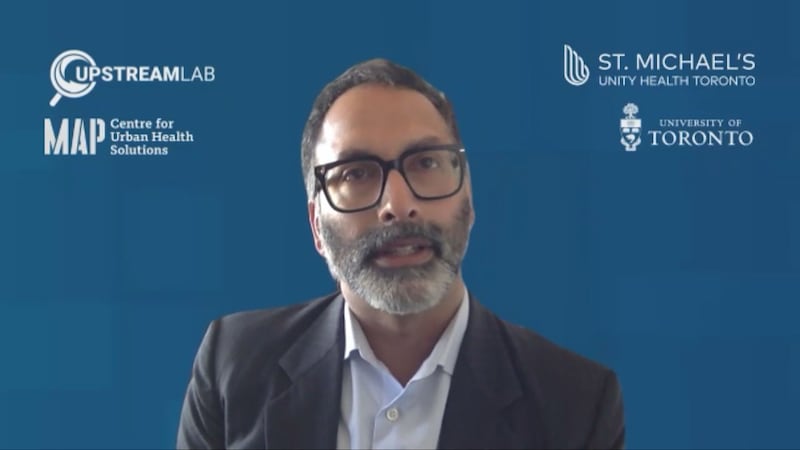
Dr. Andrew Pinto, the director of Upstream Lab, a research group based at Toronto’s St. Michael’s Hospital, led the Canadian trial.
“We did this to really see: Is this medication having the same impact now in a much more vaccinated population,” Pinto told CTV News Toronto.
“And really what we found in this was that it didn’t have an impact on hospitalizations and death, although it did find that people actually recovered a little bit earlier when they took this medication.”
According to the Canadian study, patients who took Paxlovid reported feeling better about three days faster than other patients who were not given the drug.
Studies help inform future use of Paxlovid: researcher
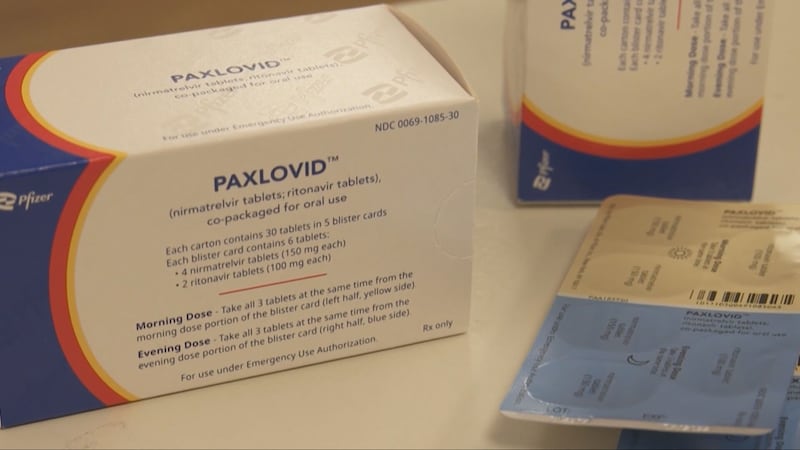
The results of the study, Pinto said, are helpful as it offers new evidence when it comes to the funding and prescription of Paxlovid, which can cost $1,400 out of pocket for those not covered under the Ontario Public Drug Programs or private insurance. This drug is covered under varying criteria in each province.
Health Canada first authorized Paxlovid in January 2022 after initial studies found the risk of hospitalization and death was reduced by close to 90 per cent among unvaccinated high-risk patients.
Currently in Ontario, the province is funding this drug for the treatment of mild-to-moderate COVID-19 in patients who are 65 years of age and older, 18 years of age or older who are immunocompromised, or 18 to 64 years of age with at least one risk factor associated with more severe COVID-19 outcomes.
“So it’s a big, you know, part of, I think, the equation for governments of who are paying for this or insurance companies. Is this a good use of funding?” said Pinto.
“Which is why I think the study is going to help inform those decisions.”
Dr. Christopher Butler, of Oxford University, led the U.K. clinical trial. He echoed Pinto, saying the studies provide “essential high-quality evidence for optimal, cost-effective targeting of this treatment.”
Pinto said that the results of the study point to the importance of research infrastructure that can quickly evaluate the effectiveness of new medications in the face of a novel virus.
“To be able to quickly say, instead of going out and purchasing, you know, 1.5 million courses of the medication, have this in place, really be able to say, is this a good use of it?” he said.
“What I think is really important with this work, why we did this, is it also demonstrates the value of having this type of research infrastructure in place to quickly evaluate medications, and it could save Canadians and the government millions and millions of dollars, because we’re able to quickly check and see, do these medications work for whom?”
Pinto added that his team is also exploring if Paxlovid helps reduce long COVID.
“We are still completing that analysis, but that may be another factor that comes into kind of the decision around using this medication,” he said. “We need to have, you know, very inexpensive, effective treatments that have few side effects and don’t interact with many things to help people. We need to be ready to quickly figure out what works and is it a good use of public funding.”
With files from CTV News Toronto’s Pauline Chan

