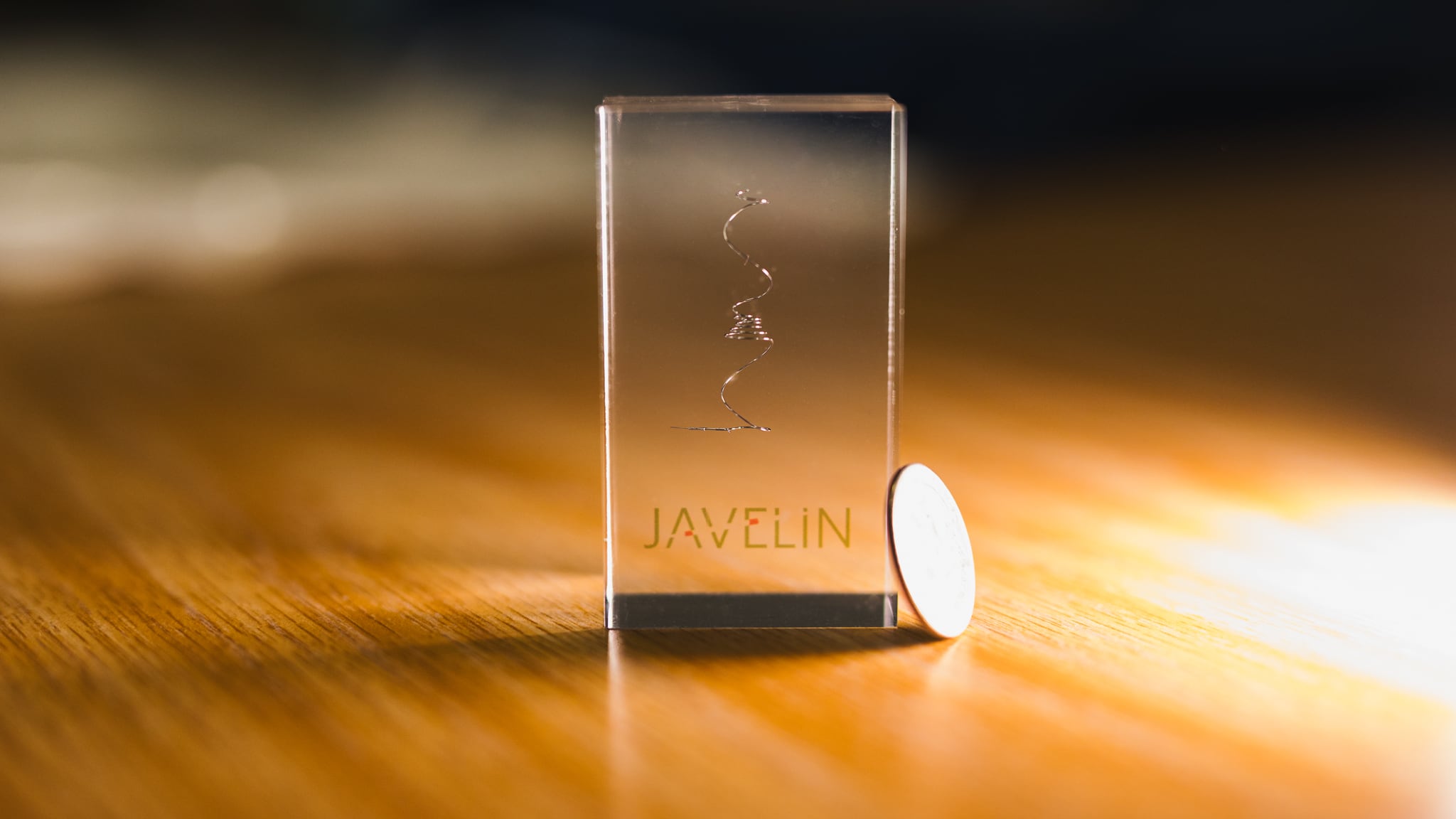
The key to preventing strokes may have been found in an unlikely place: the filter in your coffee machine.
A team at Hamilton Health Sciences (HHS) has been tasked with leading the third phase of a clinical trial that uses the same concept for brewing coffee or cleaning water to trap blood clots before they reach the brain and cause vessel blockages.
“When they (patients) have a stroke, most of those strokes are very, very disabling, and that’s what we are trying to prevent with this study,” HHS neurologist Dr. Aristeidis Katsanos, the study’s site lead, told CTV News Toronto in an interview.
The study will involve 2,000 patients globally over the next two to three years, including 40 from HHS, to test the efficacy of a procedure where surgeons implant a permanent, small nickel filter into their carotid arteries to prevent strokes.
The procedure itself only takes five minutes and doesn’t require sedation. The Hamilton hospital network is the first site in North America and most of the world to perform the procedure.
HHS says that lab testing shows the filter, produced by Israel-based Javelin Medical, can trap larger clots (about 1.4 millimetres in size or bigger) and sometimes smaller ones too. Katsanos said part of this phase of the trial will be investigating what to do with the clots once they are caught by the filter.
“What we’re trying to achieve here is to make sure that those clots never reach the blood vessels (in the brain) and cause strokes. If they stay in the carotid, we have seen from previous work on those filters, that they don’t create any strokes,” he said.
While one group of patients will undergo the operation and continue their blood thinner treatment (the standard for those who have suffered a stroke) the other will continue to take blood thinners only and the results will be compared.
Patients who qualify for the study have a condition known as atrial fibrillation (AF), an irregular heart rhythm, and have had a stroke in the past year. So far, five patients are involved in the trial at HHS and two of them have undergone the procedure.
“They were really happy about the lack of discomfort, reassured about the added stroke prevention, so no issues at all from the device itself,” Dr. Ashkan Shoamanesh, a HHS neurologist who is leading phase 3 globally alongside Dr. Alexander Benz, a cardiologist fellow at HHS, told CTV News.
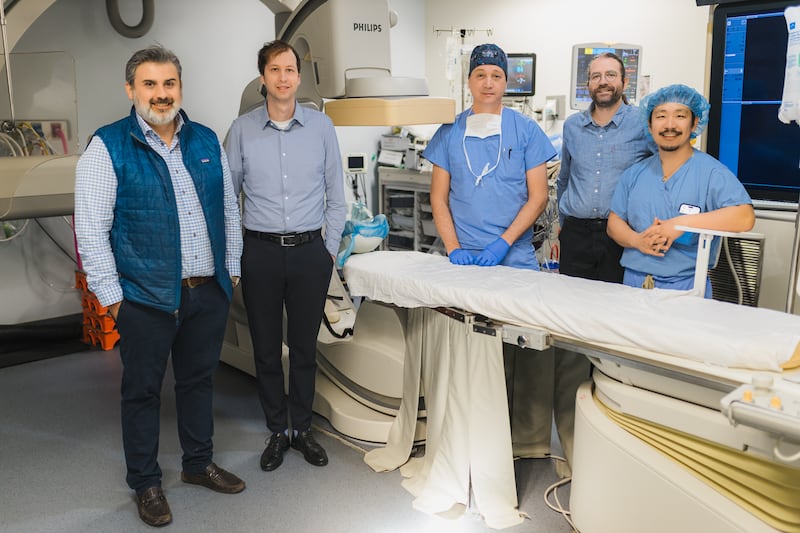
The filters are placed in both carotid arteries, the main vessels that carry blood to the front of the brain, where HHS says 90 per cent of AF-related strokes occur. Katsanos said that following the first phase of the study, which was based in Europe and included 100 patients, complications have been largely minor and mostly limited to slight bruising.
According to HHS, while the current standard of blood thinners helps to lower the risk for people who have AF and have suffered a stroke in the past year, they face a three to seven per cent chance of having another one.
“Patients often are quite concerned that they’ve had breakthrough strokes despite best medical treatments, and we have nothing else to offer at this point,” Shoamanesh said. “So, if this trial is positive, it would be a massive win for these patients and how best to protect their quality of life and good health.”

