Kirsten Jones’ mother, Claudia, has been living at her retirement home in Toronto since 2022. It has become an environment that she’s grown accustomed to, and one that’s necessary as she lives with dementia.
But the cost of keeping her 84-year-old mother there has climbed sharply. Jones says she is starting to feel priced out after annual fees rose by roughly another seven per cent this year, marking the fourth consecutive increase.
Since her mother moved into the Chartwell residence, Jones says monthly payments have risen by $1,434.40, reflecting an increase of 28 per cent over four years.
“I expected to move there to make her life and my life easier, and I don’t know if that’s been the case,” Kirsten Jones said in an interview with CTV News Toronto.
What is driving the increase isn’t the cost of rent.
A notice of rent and service increases from Chartwell Grenadier Retirement Residence, obtained by CTV News Toronto, shows rent has fallen in line with the province’s increase cap of around two per cent from 2025 to 2026.
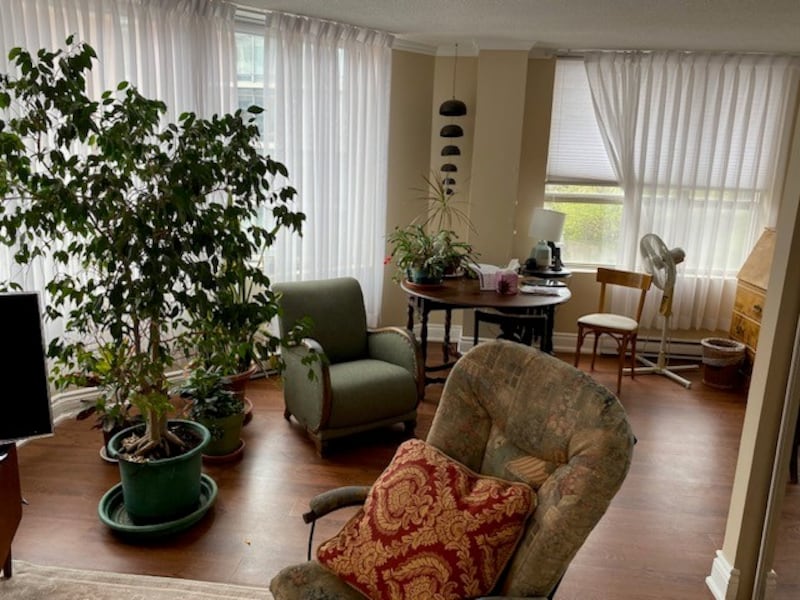
Service and meal fees, however, rose by roughly 13 per cent; a jump Jones finds “baffling.”
“We know that there’s a base rent, and that can’t get changed, but the service fee is frustrating because we have no input on it. We have no choice. It’s given to us and to have that part increase so substantially when we have absolutely no power over it,” Jones said.
“We expect rent to go up and when planning for this with my mom, to make sure she’d be able to live out till she was 95 to 100, we certainly put in inflation costs into our plan. I don’t know how we add in 10 per cent, that’s beyond our comprehension.”
While the residence offers activities, Jones says her mother only occasionally participates in an exercise class and goes down for dinner each day, which is the sole meal included in her fees.
“As far as I know, there’s been no change (in service). So, what started in 2022 remains, the food quality is the same, the services are the same. My mom doesn’t use extra services having to do with nursing care or (a personal support worker), but having said that, if she did, those all cost extra anyhow,” Jones said. She also pointed to how her mother has gone through two couches since living there due to bed bugs, but says Chartwell provided a partial refund to cover the cost of her current (and third) couch.
In Chartwell’s notice, the retirement home attributes the increases to rising inflationary pressures.
“Your safety and wellbeing is our top priority; for that reason, our employees are an integral part of the services we provide to you, and they also represent our single largest expense,” the notes reads.
“The increase in your fees allows us to ensure our valuable employees working in your residence receive competitive annual wage increases. We are proud of our people and know that you want them to be well taken care of.”
The new monthly fees will take effect on Aug. 1.
‘She was incredibly confused’
It took years for Jones to move her mother to Toronto, citing the need to remove her from a precarious living situation as the driving force that brought her to the city. She says the move was difficult for her mother back then.
“She was incredibly confused. She didn’t know what was going on, she didn’t know where she was,” Jones recalled.
Chartwell had offered to move her mother to a smaller unit at their building to help ease costs, but Jones says that’s not an adequate solution given her mother’s condition.
“I was expecting to be able to stay here and to move her, even to a small unit, will confuse her. So, any which way it goes, if I move her, it’s not going to be a great call for my mom,” Jones said.
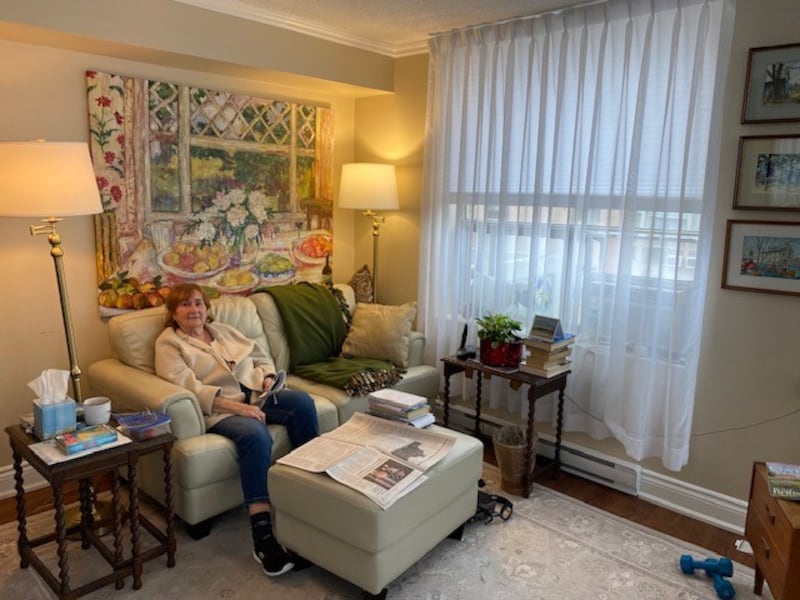
For its part, a spokesperson for Chartwell tells CTV News Toronto it openly communicates with residents about upcoming changes in costs and answers questions they may have.
“While we can’t speak to an individual resident’s situation, in a retirement residence setting, monthly fees include both a rental component and service fees for meals, housekeeping, programming, and optional personalized care,” Mary Perrone, senior director of communications at Chartwell, said in a statement.
“While rent increases are often governed by the Residential Tenancies Act (RTA), service fees may change over time based on factors such as evolving care needs, staffing requirements, food and supply costs, and broader inflationary pressures.”
Retirement homes are required to follow the RTA’s rental increase cap, which was held at 2.1 per cent in 2026. These establishments, however, do not have a limit on how much they can charge for their service fees, though they must disclose price lists for accommodation and care services and provide at least 90 days’ notice for any increase in the costs of care.
What can be done?
The Advocacy Centre for the Elderly and the Federation of Metro Tenants Association previously shared concerns with CTV News about the lack of cap, noting how seniors tend to be on fixed incomes and can’t afford major cost increases, and believe regulations should be in place to “help tenants that are suffering under these economic conditions.”
Cathy Hecimovich, CEO of the Ontario Retirement Communities Association, tells CTV News Toronto that she is unsurprised service fees have been rising for Jones, pointing to how seniors generally require more care as they age.
Putting a cap on these service fees, while it would help ease costs, could be detrimental to the amount of care received at retirement homes, Hecimovich said.
“It would be potentially driving people prematurely into long-term care or to hospital to get the care,” Hecimovich said, noting how retirement homes don’t receive government funding like long-term facilities do. “So, its seniors themselves that are left paying for the increase care that they need.”
While capping is not the solution in Hecimovich’s opinion, the introduction of a tax credit may mitigate the affordability challenges for seniors living in retirement homes.
Hecimovich points to Quebec’s Senior Assistance Tax Credit which, unlike the credits available in Ontario, is offered to all eligible seniors who are at least 70 years old and are a resident of the province. It is a monthly refundable tax credit that provides seniors with the choice on where to live and is something the ORCA has been championing with all levels of government for years.
“Seniors want to stay home and in their home communities, and whether it’s living in their own home or living in a retirement home,” Hecimovich said.
“They want to stay in homes of their choice and it would be wonderful if our government could consider how to support seniors, to address those affordability challenges.”
While Jones says she understands retirement homes are privately funded, she hopes the government will step in somehow to curb the steep increases in cost with services. As for next steps, while Jones says she can house her mother at the Chartwell retirement home for now, she says they’re looking out for options.
“I was expecting this to be a solution and, in fact, it’s becoming a part-time job,” Jones said.
With files from Consumer Alert’s Pat Foran

