When Hank Idsinga, the former head of the Toronto police’s homicide unit, was approached to write a book recounting “war stories” from his decades of service, he said he had another idea.
Idsinga had just retired in 2023 after 34 years with Toronto police and for five of those years, he served as the unit commander for the homicide squad.
Describing his first meeting with the publisher, Idsinga said he told them he wanted it to be more than just a compilation of his biggest cases.
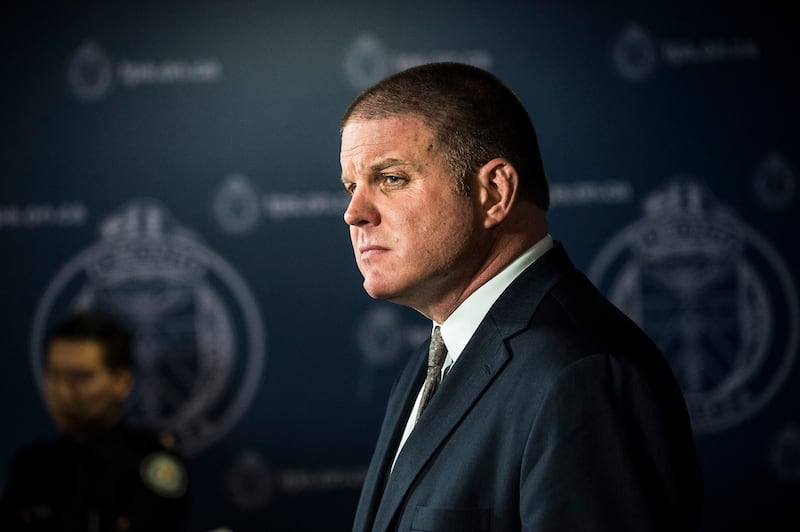
Idsinga had been part of many high-profile cases over the years, including the investigation into serial killers Bruce McArthur and Mark Moore. He was one of the detectives who investigated the murder of seven-year-old Katelynn Sampson, a brutal 2008 homicide that prompted a coroner’s inquest less than a decade later.
“I went in and sat down with them and said, ‘I’ll do it, but if I’m going do it, it’s going to be a memoir,” Idsinga told CP24 this week following the release of his new book, titled The High Road: Confessions of a Homicide Cop.
“It is going to include my grandfather, my mother’s story, and it is going to include some of the issues I saw throughout my career.”

In his new memoir, Idsinga, whose grandfather was murdered by the Nazis in 1942, details incidents of antisemitism, racism, and other alarming police misconduct he says he witnessed during his lengthy career with the Toronto Police Service.
Idsinga worked in two downtown divisions, 14 and 51, before moving to homicide, where he later became unit commander in 2018.
Drinking on-duty ‘a real problem’
It was very early on in his career that he said he first began to see a myriad of issues within the service, including blatant incidents of racial profiling and officers drinking on the job, which he described as “a real problem.”
In one incident in 1994, Idsinga said an officer he was paired up with was so intoxicated that he nearly smashed into three parked cars in the city’s west end. Idsinga said he refused to continue on the shift with him. When that officer was subsequently suspended and charged with being unfit for duty, Idsinga said he was assaulted in the division’s locker room by another officer, who called him a “rat.”
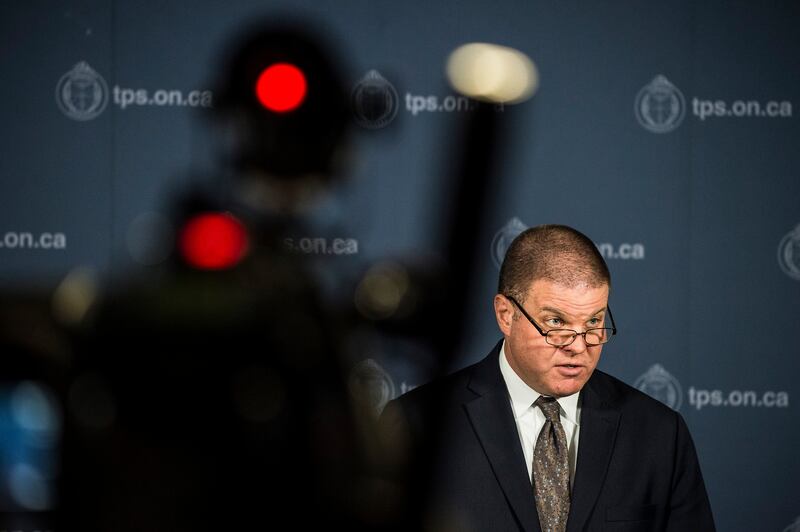
“All this could have been avoided with proper supervision from one of the sergeants on parade,” Idsinga wrote. “They had simply fallen into the trap of keeping their heads down and avoiding their supervisory responsibilities.”
Idsinga said he saw many officers struggle with addiction issues. He noted that his own friend, veteran homicide detective Paul Warden, ultimately admitted to stealing opioids from evidence lockers, an offence that Idsinga said he believes should have resulted in charges.
Idsinga detailed what he saw as repeated failures in leadership across the service, which he said upheld a paramilitary system that penalized officers for speaking up and in turn, prevented them from moving up the ranks when they did.
“It really, really stifles the free-thought process. People are afraid to speak up, people are afraid to speak out,” Idsinga said this week.
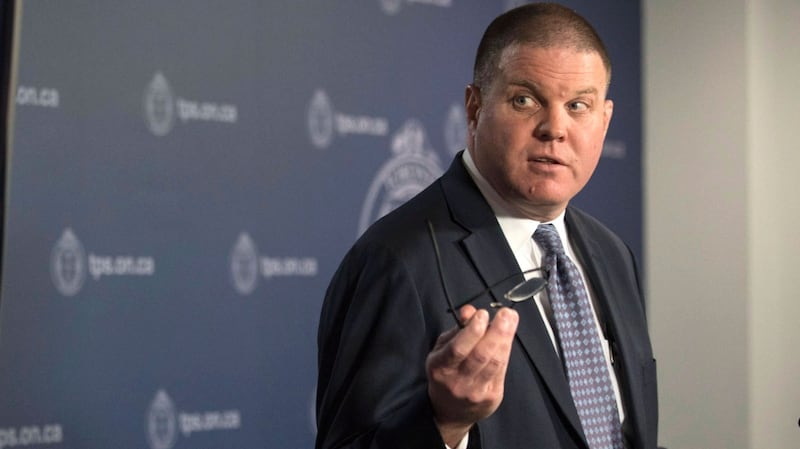
Idsinga said a “brilliant investigator” who ended up working with the homicide squad had at one point in his career decided to speak out about his concerns over on-the-job drinking and racism. This officer, he said, suffered the consequences.
“He was half Black, half Indigenous, had a university degree, and was bilingual. He was a phenomenal officer and primed for great things in the service,” Idsinga wrote in his memoir, adding that this officer at one point entered the promotional process to become a staff sergeant.
“He aced the exam, had a great unit commander’s assessment mark from me, and was actually mentoring other detectives on the final portion of the process, the interview. But when he went in for his interview, who was the superintendent sitting at the head of the table? It was the same one who had ‘summonsed’ Black officers and reprimanded them for no reason.”
The officers the detective mentored were promoted, but he was not, Idsinga said.
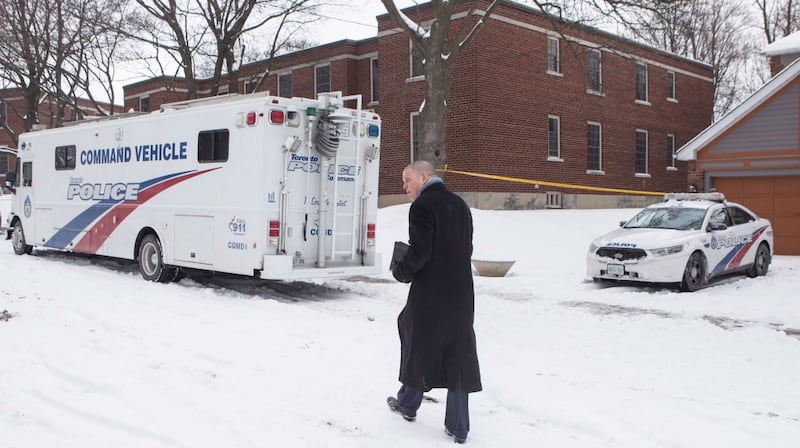
Fed up with the system, the detective left Toronto and within a year, was promoted to staff sergeant at another police service, Idsinga noted.
Reflecting on the misconduct charges against Stacey Clarke, the senior officer who admitted to helping Black candidates cheat during promotional exams, Idsinga said she did the “wrong thing for the right reasons.”
“How does an organization expect rank-and-file members to conduct themselves properly when the supposed leaders in the organization are behaving so badly,” Idsinga asked.
‘A few bad apples’
Faced with what he said were blatant acts of antisemitism in 2020, Idsinga said he decided to cut off communication with one senior officer as much as possible.
In March 2020, Idsinga said he was speaking to a senior officer who referred to another divisional officer as a “f**king Jew.”
“I was floored,” Idsinga wrote in his memoir. “I had previously heard the same senior officer refer to a kosher barbecue as a ‘Jew-q,’ a comment I chalked up to a bad attempt at humour. They had no idea about my heritage.”
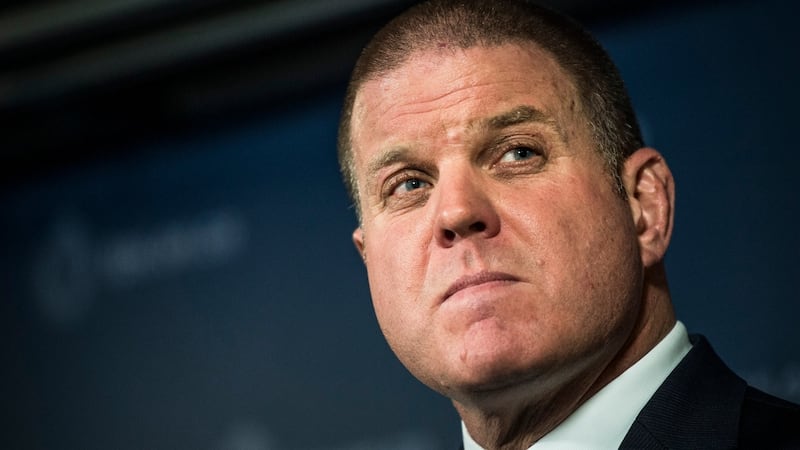
Later that year, when members of Idsinga’s office had to do a presentation to a lawyer, he said he had another interaction with that same senior officer, who commented, “I can’t believe we have to pander to this f**king Jew.”
“I sat through that presentation feeling physically ill,” Idsinga wrote.
He said he then made the decision to avoid that officer whenever possible.
“Shutting out a senior officer doesn’t come without consequences, though. My life at work for the next several years was very difficult, and I was routinely excluded from meetings and decisions,” Idsinga wrote.
“It’s amazing how a few bad apples can absolutely destroy the reputation of an organization that numbers in the thousands.”
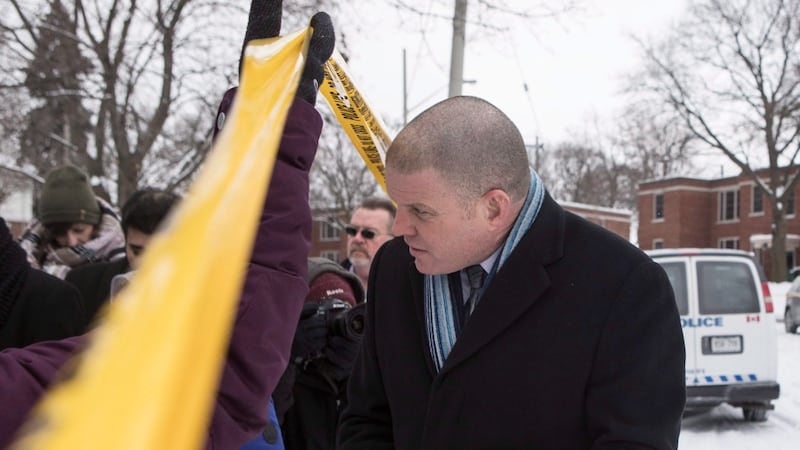
By the end of his tenure, Idsinga said several senior officers were facing allegations of misconduct.
One was facing misconduct charges for allegedly helping a family member leave the scene of an accident. Another, he said, was being investigated for alleged sexual misconduct at a chiefs of police conference.
“It was a tough time all around for senior officers in the police service,” he wrote.
The former homicide unit commander told CP24 that since the release of his memoir, he has faced blowback from retired police chiefs and senior command.
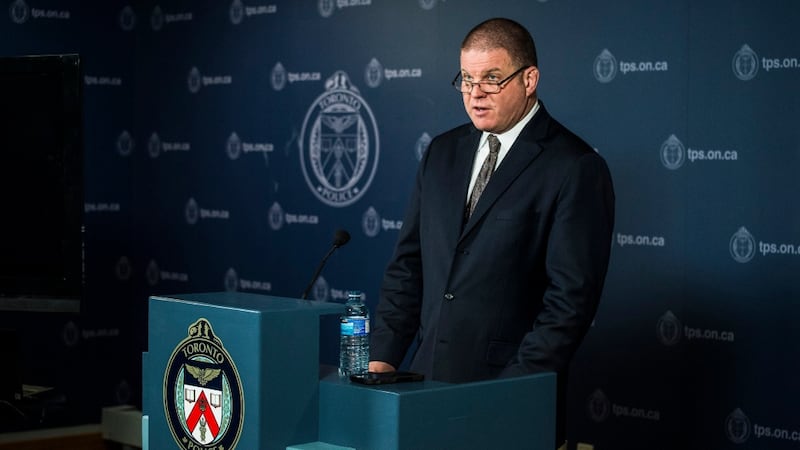
Some have been critical of Idsinga for not filing a complaint at the time.
Idsinga said he never filed a formal complaint as he lacked confidence in the system to properly investigate the officer in question.
Police chief, board chair promise to investigate
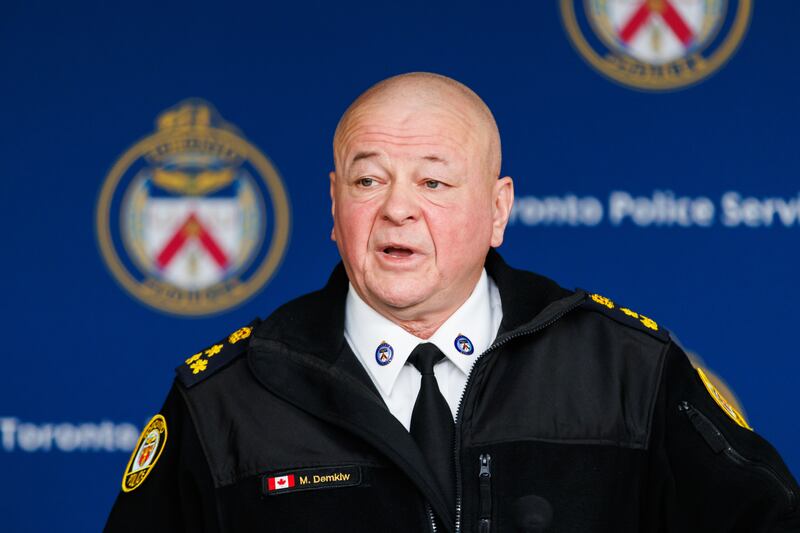
In response to Idsinga’s book, both Toronto Police Chief Myron Demkiw and Toronto Police Board Chair Shelley Carroll have vowed to look into the allegations.
“Any allegation of a Toronto police officer being involved in any kind of racist behaviour, we take very, very seriously,” Demkiw said at an unrelated news conference at police headquarters last month.
“We are examining certainly the allegations very carefully… We are committed to making sure we are responsive to everything we find.”
Carroll’s office told CP24 that the board will be reviewing the allegations.
“The Board takes allegations of this nature seriously. Toronto deserves a police service that operates with integrity, professionalism, and fairness, and maintains the confidence of the communities it serves,” an emailed statement read.
“The Board will be reviewing the matters raised and will determine any next steps following that review.”
Idsinga’s book was in development at the same time Toronto police announced that seven active members and one retired officer were charged in a bombshell corruption probe dubbed Project South. Charges laid in the investigation include bribery, drug trafficking, and conspiracy to commit murder.
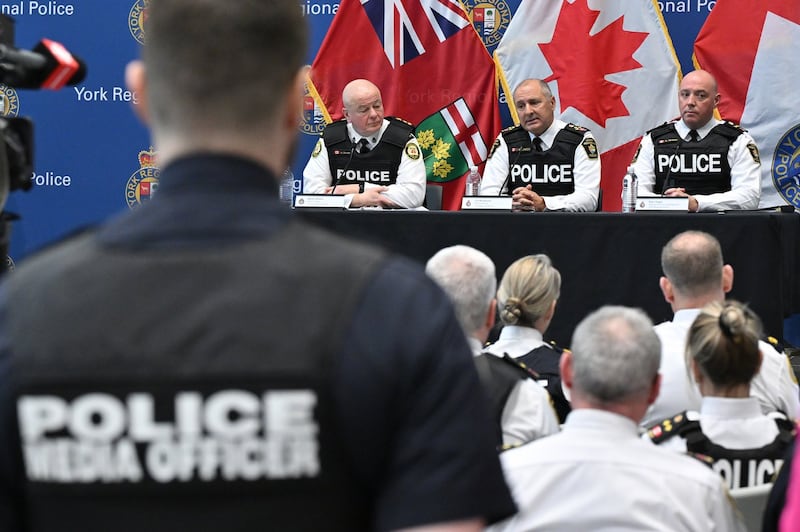
Asked about the allegations this week, Idsinga said they were “shocking” but not entirely surprising.
“I’ve certainly seen officers having relationships with people involved in criminal activity but to that extent, where they are actually allegedly assisting that criminal organization, it is quite something,” he said.
Indsinga said officers from around the country have reached out to him since the book’s release.
“I’ve gotten tones of messages from current serving officers of all ranks saying, ‘Thank you. We can’t say anything. And thank you for being our voice,’” Idsinga told CP24.
He hopes the police board chair is “earnest” in her promise to investigate and institute meaningful change.
“No more, ‘This is unacceptable,’ and we all tolerate it,” Idsinga said.
“I think, in a nutshell, the structure of the command and executive level of the police service needs to be turned on its head. The paramilitary structure and mindset needs to be removed. I don’t know who is going to actually do that.”

