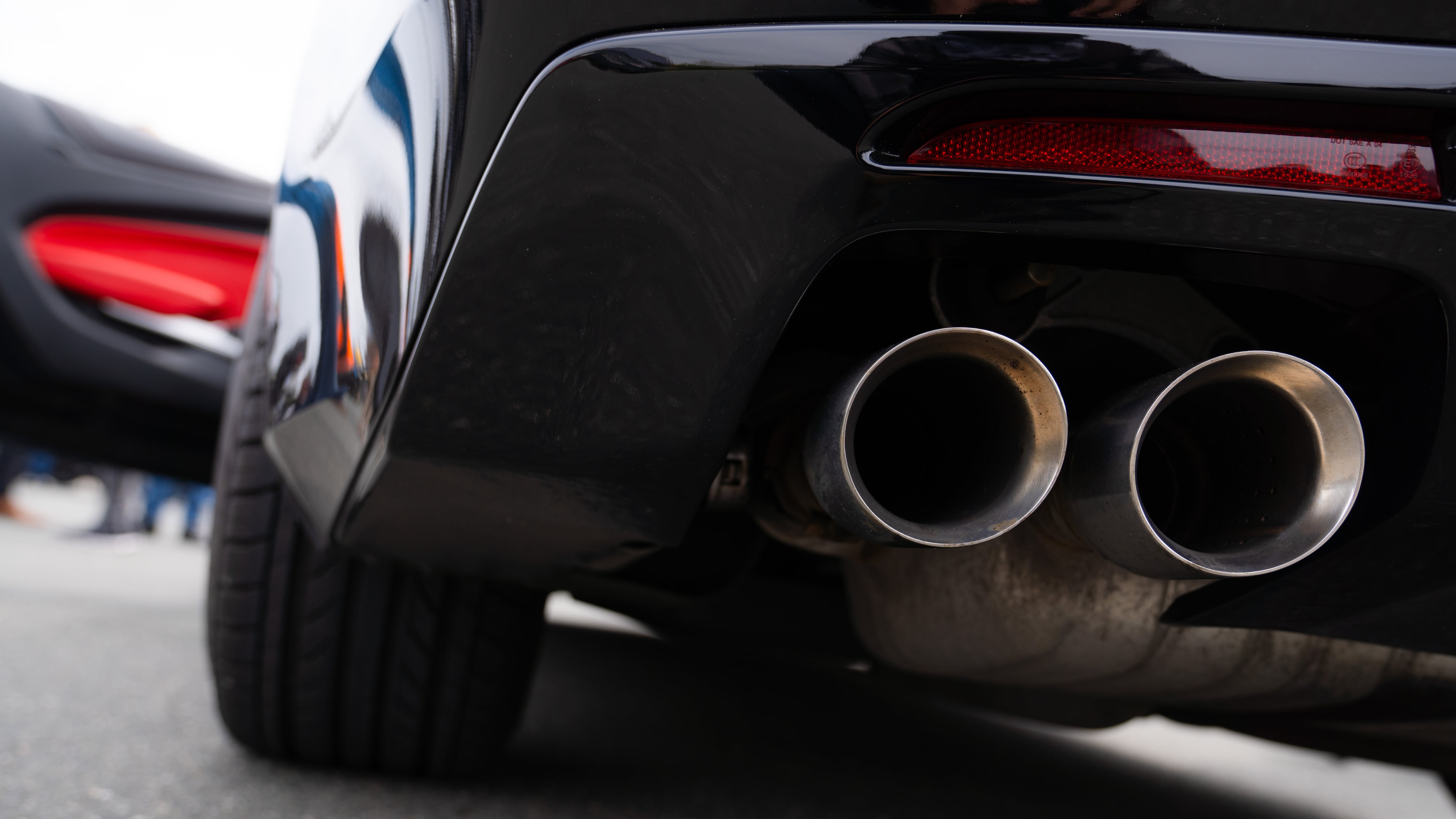
A motion set to go before Toronto City Council Wednesday is calling for the city to crack down on noisy vehicles that tear down city streets by exploring sound camera technology.
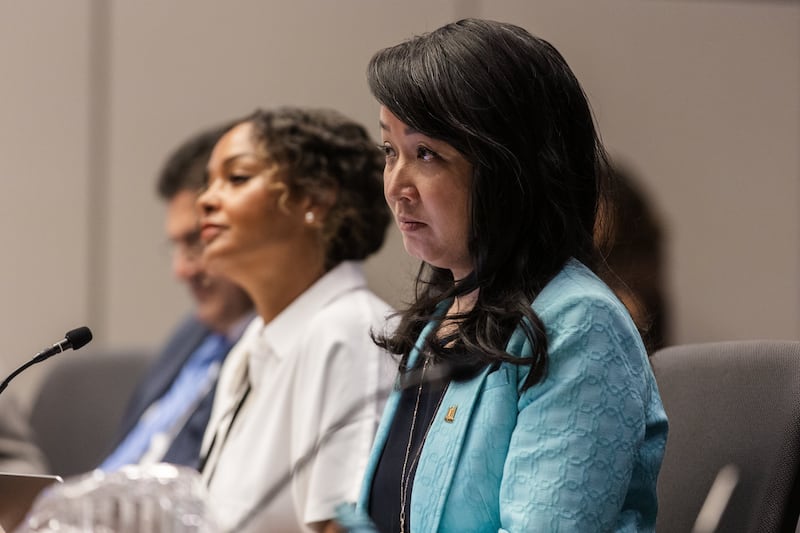
“This is not just your regular city noise,” Coun. Lily Cheng told CP24.com in an interview. “This pierces through that kind of low hum that we might expect from an urban setting.
“It’s so loud that people wake up regularly, because it’s just so jarring, and it can travel kilometres out, so you’re kind of forcing a whole radius of people to endure your noise that you’re generating.”
Cheng is bringing forward a motion, seconded by Coun. Diane Saxe, asking that city staff explore the possibility of using automated sound camera technology to crack down on drivers of extra-loud vehicles.
“Excessive and unnecessary noise, including from modified vehicle exhaust systems and other sources, continues to negatively impact the quality of life, public health, and well-being of Toronto residents,” the motion reads.
It points out that other cities around the world are using new technologies to tackle the problem and asks city staff to conduct an international review of technologies that are available.
It also asks the city to reiterate a request to the province to create a framework that would allow Toronto to carry out an automated noise enforcement pilot project.
Little enforcement of existing rules
Noise from loud vehicles has been a constant irritant in many parts of the city. Bylaws exist to limit how noisy vehicles can be, but bylaw officers are not empowered to stop moving vehicles to enforce those rules. And police officers don’t regularly carry noise-measuring devices to enforce the rules.
So effectively, there is little enforcement around existing rules unless a bylaw officer and a police officer happen to be standing together to conduct a blitz, Cheng says.
She points out that having officers patrolling for noisy vehicles would not be a good use of police resources.
She recalls one instance where she personally witnessed vehicle noise wasting officers’ time.
“I was doing a ride-along once with police and there was a call for gunshots fired, so we attended that location, and it turned out to be a noisy muffler,” she said.
She says automated technology could help solve that problem by penalizing excessively loud vehicles.
“Other cities have implemented noise enforcement,” Cheng points out. “In particular, Taiwan is quite far ahead, both in their legislation and in their technology. Edmonton just launched a pilot last year.”
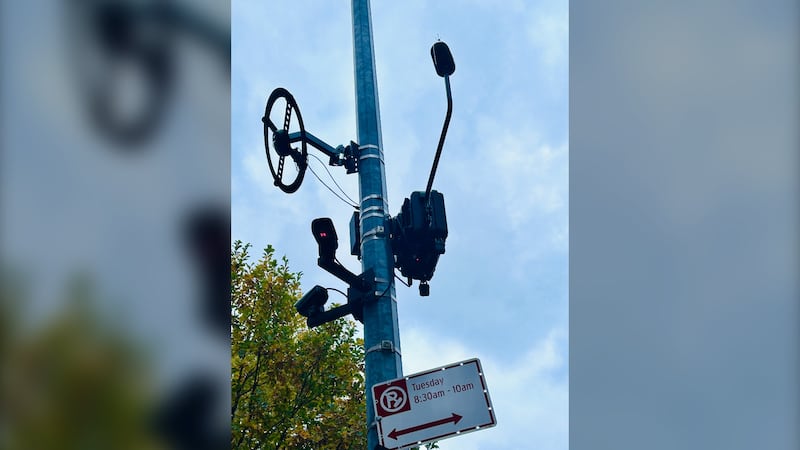
Advancements in camera technology and AI mean some of the latest available solutions are able to accurately pinpoint noisy vehicles on multi-lane roads, Cheng said.
And while some people think enduring loud vehicle noise is just part of living in a big city, she says the assaultive sounds of some vehicles go above and beyond what people should have to tolerate.
“I think people across the city support this, because it’s intrusive,” Cheng says. “Frankly, the people who emit these noises, it’s selfish in my opinion. It’s good for people’s mental health to be able to sleep through the night.
Some of her constituents, Cheng says, are “regularly” woken up by the sound of racing down nearby roads at all hours.
‘No point to this noise’
Ingrid Buday, who heads up the advocacy group No Noise TO, has regularly measured excessive vehicle noise around the city and says it’s a serious problem that sees little enforcement.
“The police and the city both acknowledge that they will never be able to resource themselves out of this problem, they’ll never be able to solve it through more manpower, more blitzes, more this or that,” Buday says. “This is a solution that requires a technology.”
She says excessive noise leaves people feeling angry and frustrated because they have little defence against it.
“The thing is that it is 100 per cent unnecessary noise that impacts our nervous system,” Buday says.
And unlike construction noise or sirens, noise emitted by souped-up vehicles has no purpose aside from the enjoyment of the driver.
“It impacts people’s mental health, their physical health, their sleep, their relationships, their ability to focus at work – it’s all of it. And there really is no point to this noise.”
If the motion passes, city staff would report back to council on available technologies for tackling loud vehicles sometime in 2027.
Provincial approval would still be required to move forward with a pilot project. Ontario Transportation Minister Prabmeet Sarkaria’s office did not immediately respond to a request for comment on Cheng’s motion.

