Hosting six World Cup games in Toronto may not bring in the big return on investment that some are forecasting, according to a researcher from the University of Toronto, who says 12 of the last 14 World Cup events resulted in economic losses for host cities.
“This is kind of a tale as old as time,” Tyeshia Redden, an assistant professor of Urban Planning at the University of Toronto, told Newstalk 1010’s John Moore on Thursday.
Redden noted that when Toronto initially bid on the World Cup back in 2018, the estimated cost to taxpayers in the city was between $30 and $45 million, a figure that has now ballooned to about $300 million eight years later.
“FIFA and corporate sponsors are going to get their money up front,” she said. “And these host cities are given the promise that we’ll make our money on the backend.”
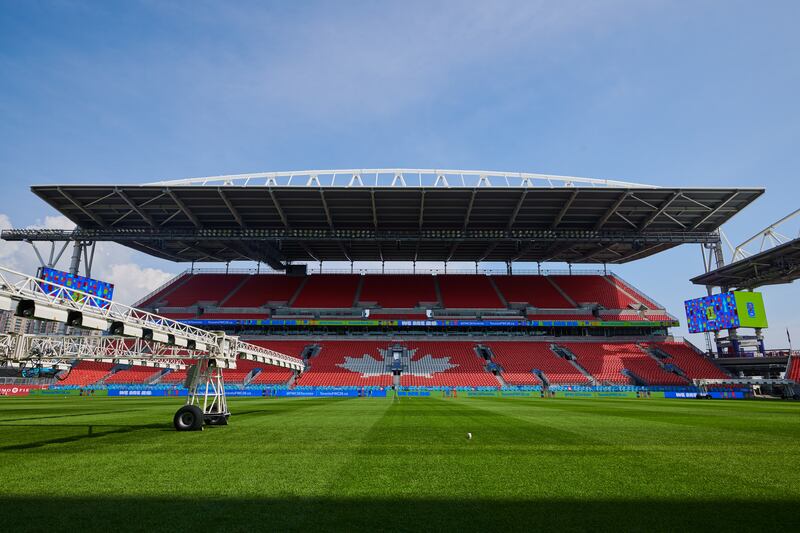
But the data, she says, paints a very different picture.
“What tends to happen is there is a short-term uptick (in tourism)… but the problem is there is so much public expenditure on the front end, that it is difficult to make this money back,” she said.
The most “egregious case,” she said, was when Brazil hosted the World Cup in 2014.
“Brazil spent about $15 billion before ending up in a national state of economic emergency. It couldn’t pay its bills,” Redden said.
She said organizations like FIFA and the International Olympic Committee (IOC) operate very differently than other event organizers.
“Another event organizer would come to a place, pay all of its expenditures, all the costs of hosting the event, make its money, and leave,” Redden said.
Redden said cities “pay for the privilege” of hosting the tournament, while FIFA stands to make $10 billion up front.
She said the argument from many who support the event is that the estimated $1 billion cost to Canada for hosting six games will generate as much as $4 billion in revenue, a figure she said people should be a bit “skeptical” about.
In Toronto, a FIFA-commissioned study suggested the city could see $940 million in economic benefit from the tournament.
Speaking to Newstalk 1010 on Thursday morning, former Toronto mayor John Tory acknowledged that he eagerly bid on bringing the World Cup to Toronto back when he was in office, conceding that price tag is now “higher than anybody expected.”
“I agree with the fact that I bid enthusiastically to get these games to Toronto and still believe it is going to be a great thing for the city,” he said.
“In the end, this kind of a exposure for the City of Toronto to literally of billions of people around the world, multiple times, is going to lead to a showcase for Toronto that we would have been hard-pressed to buy or achieve in any other way.”
He noted that the people of Toronto are also “going to have a really good time.”
“Yes it is a lot of money and maybe it is more than it should have been in the end, but that happens with lots of different things,” Tory said.
“I’m not excusing it. I’m just saying it is the reality. I think it is going to be a great thing and I think it is going to be good for the city.”
Olympics, World Cup often not ‘worth it’ for host cities
Redden noted that in the rare cases where there have been few or no bidders for these big events, organizations will “cut sweet deals” that allow host cities to make a profit.
“The more that cities are enthusiastic about hosting it, the more power is in the hands of these organizations like FIFA and the IOC,” she said.
“We actually find when there are few host cities or none at all willing to bid for the games or the World Cup, that these organizations are actually willing to cut really sweet deals just to fend off embarrassment.”
She pointed to the 1984 Olympics in Los Angeles, which she added was the last time the games were profitable for a host city.
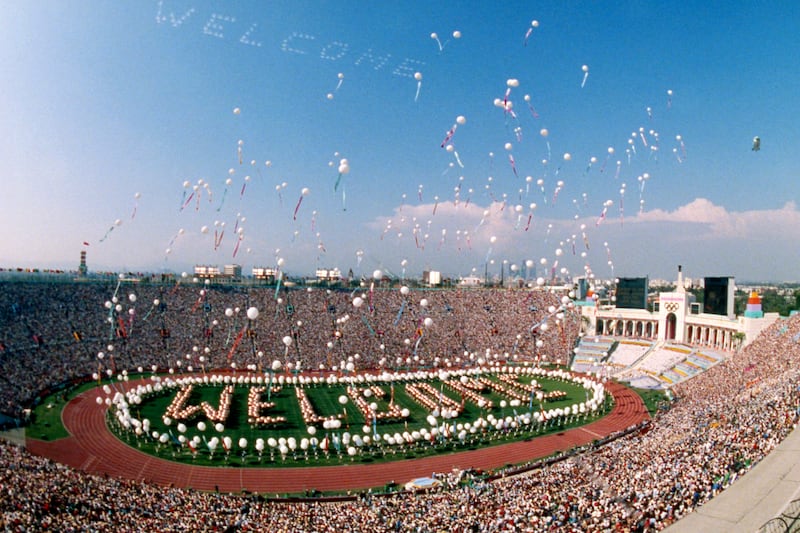
“Los Angeles was able to make a profit and stimulate long-term growth because there were no other host cities willing to host and Los Angeles basically cut a back-door deal with the IOC saying, ‘Well if don’t require us to put in any infrastructure costs, we will host for you,’” Redden said.
She said that the international spotlight is often how the case is made for these type of events.
This year, that spotlight will be split between 16 host cities across the United States, Canada, and Mexico.
“What we found on the academic side is that politicians keep regurgitating this same old story that we have to get these cities on the world radar, which is kind of odd that people think Toronto isn’t on the world radar, that it is not already a global or international city,” she said.
“It is just not the sort of deal that is often worth it for these localities when they have to foot the upfront cost for it.”
With files from Newstalk 1010

