


It doesn’t matter what fans are rooting for, strangers become friends over the course of 90 minutes, bonding over their shared love of soccer.
Whether they’re cheering from the stands of the arena or are packing in like sardines at local bars, soccer fans stand united, basking in the electric atmosphere only an event like the FIFA World Cup could bring.
That’s the common thread every fan spoke of to CTV News Toronto when asked about what life is like being in a host city when the international tournament is in town.
“Everyone will experience a different (World Cup) and have different sorts of stories that come out of it and things like that, but at the end of the day, it unifies people,” Daniel Camara told CTV News Toronto in an interview, reflecting on the previous World Cup events he has attended in the past.
“If you go in there to enjoy it and in the right frame of mind, that’s every World Cup that I’ve experienced.”
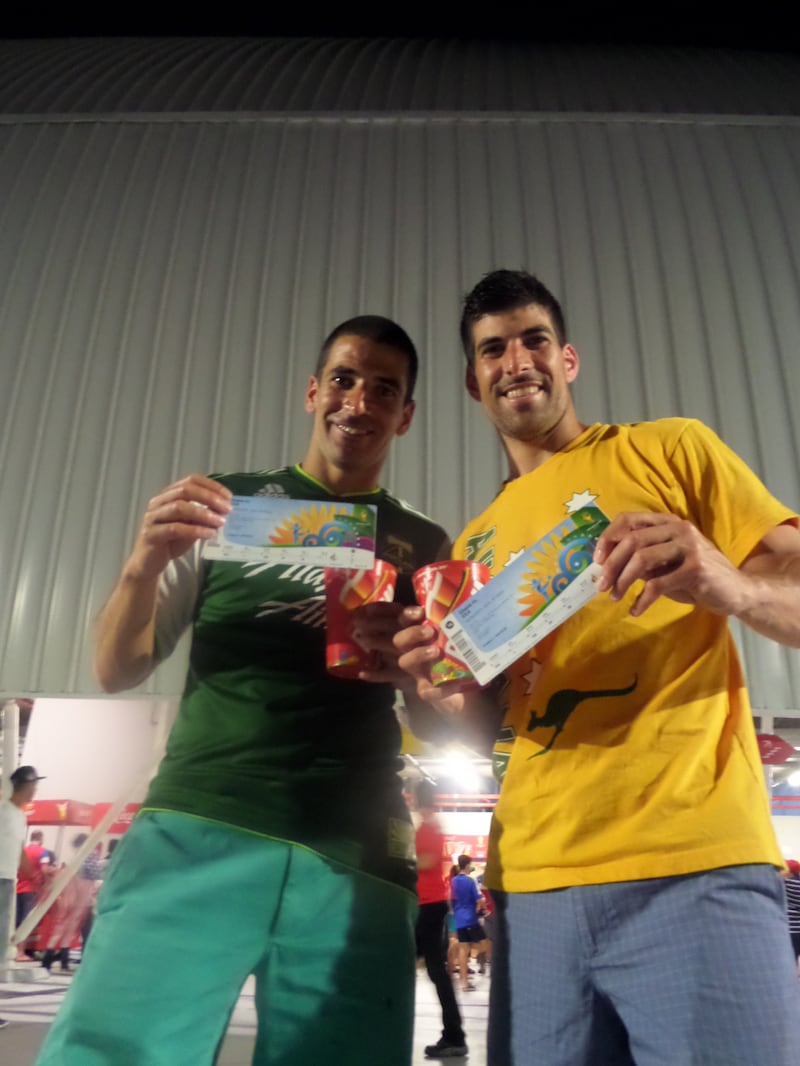
Camara has attended three World Cups,, going back-to-back from 2006 in Germany to 2014 in Brazil. The soccer coach says each tournament was “vastly different” from the next because they were hosted in different countries with different cultures, boasting their own unique aspects as a result.
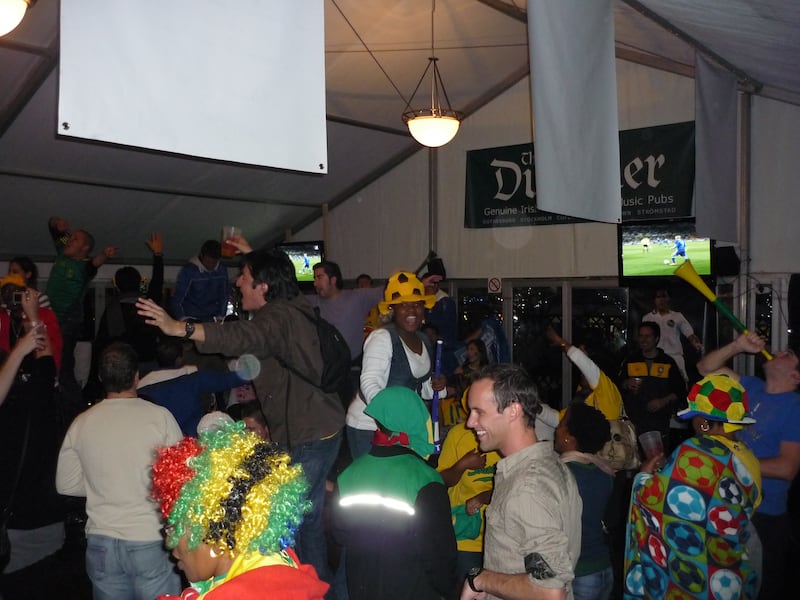
This was particularly seen in Cape Town, South Africa, when the drones of vuvuzelas would sound out throughout the city, he said.
“You knew you were at the World Cup because the vuvuzelas were just literally everywhere. You couldn’t escape them, so that became synonymous with the South African World Cup,” Camara recounted.
In every tournament though, Camara says droves of fans would come in waves flying in right in time for when their home country is scheduled to play a match. Countries like Bosnia and Herzegovina, Croatia, Ghana and Panama are among the teams that are scheduled to play at Toronto Stadium.
“What Toronto is going to experience is just a wave of different fans coming through depending on what type of game is being played,” Camara said.
Bars, cafes, and anywhere else playing World Cup matches will also likely be flooded with fans, with die-hard fans shuffling in earlier in the morning to snag good seats.
Marching through streets
Jason Grbavac could still recount hearing fans’ cheers echoing throughout the streets of Moscow when he attended the World Cup there in 2018.
“The whole city was just abuzz with fans and different groups of fans singing and congregating,” Grbavac said in an interview with CTV News Toronto, noting how match days were effectively day-long celebrations that kicked off in the heart of the city.
Hours would pass by, meeting new people while waiting for the time to leave for the stadium. In Grbavac’s experience, everyone would walk, it didn’t matter how far the stadium was.
“Nobody seemed to take taxis there in Russia, from my experience, because of where the finals was held, it was walkable,” Grbavac said.
“That half-hour, hour walk, you’re singing, you’re maybe having a beer, having a beverage on your way there, none of that was restricted. As long as you were in line and weren’t causing problems, it was great and it all worked out.”
Though public drinking laws are different in Toronto compared to cities in Europe, city council is working to permit the sale and distribution of alcohol at FIFA World Cup events held at Nathan Phillips Square.
The city is also temporarily closing several roads within Liberty Village, the neighbourhood closest to Toronto Stadium, as well as key streets like Strachan Avenue, Dufferin and Fleet Streets, which could all later serve as marching grounds for fans to parade down prior to matches.
Raucous public transit
Taking the train when the FIFA World Cup is in town is also a fun experience, Grbavac noted, recounting the time he was in Berlin for the Euro Cup in 2024.
“It was just packed with all fans, and in that particular sense, it happened to be Croatian fans because we were playing that day and all leaving at the same time,” Grbavac, an executive of the Hamilton Croatia soccer league, said.

Josip Rados, who has attended World Cup qualifier games and the UEFA European Championship before, says free transit has been offered in the past during these tournaments.
“If you actually have tickets to the game like all public transport is free around the city, because they (the cities) kind of want to get people in and out, safely, in orderly fashion,” Rados said in an interview with CTV News Toronto.
The city said it would not provide free fares throughout the World Cup, but noted to CP24 that it would provide free rides for FIFA volunteers.
Toronto also confirmed it would not be increasing the costs of transit like some other host cities have done.
“I hope (the city) addresses it or they make it that, ‘Hey, if you got a ticket, you don’t have to pay for that day,’” Rados said.
“People are still commuting with cars, they’re still driving right, and if they’re going to shut things off and make it pedestrian only, you got a lot of traffic coming in and out of a busy city.”
Even though Croatia lost in the World Cup Finals in 2018 to France, Grbavac said hundreds of thousands of people flooded Zagreb to applaud the team for how well they competed.
Fans lined the streets as a double-decker bus drove throughout the capital, Grbavac recalled.
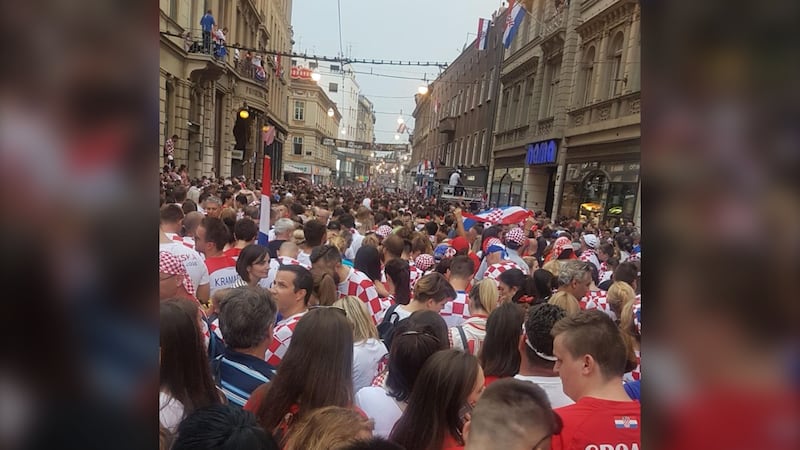
“I felt like in Toronto and North America, there were just a few more rules and proper kind of barriers from maybe where fans can stand close to the double-decker bus, whereas when I was in Europe I felt like, at one point, my toes could be run over by this bus,” Grbavac said when comparing the two experiences.
“It was funny because here there’s these proper barricades and you’re maybe seven feet away.”
With files from CP24’s Bryann Aguilar

