Canadians flying to Europe this summer need to keep in mind that a new security system is in place, which is causing delays for many travellers entering and exiting immigration checkpoints.
The new security system, known as the European Union’s Entry/Exit System (EES), is a ‘biometrics’ automated digital border registration system.
This system scans your passport and fingerprints and performs facial recognition. While it may make future travel much faster, the rollout has resulted in massive queues, and travellers are being warned to be prepared.
A viral video posted on Instagram by CNN reporter Clarissa Ward shows one of the many long line-ups that took place at the Lisbon Airport, in Portugal, that lasted hours before travellers could get through.
“It is quite honestly astonishing and a testimony to what a disaster these new EES rules are,” said Ward in her video.
According to Flight Centre, as the summer travel season begins, it is advising Canadians to be aware of potential delays due to the new EES in place at Schengen airports.

The Schengen area is the world’s largest border-control-free zone, encompassing 29 European countries: 25 EU member states and 4 non-EU associates, which are Iceland, Norway, Switzerland, and Liechtenstein.
“Canadians shouldn’t be worried, they should be prepared,” said Ashley Harold, a travel expert at Flight Centre.
“They will have their fingerprints and photos taken digitally, and it will replace the old passport stamps,” Harold added.
Travel experts agree that if you’re flying in or out of the Schengen area, you’ll need to budget hours of extra time at airports.
“You add in the Entry/Exit System, and the new biometrics, and it is taking people a lot longer. I would take extra time at European airports,” said travel expert Jennifer Weatherhead.
It’s not just flying; the new digital registration systems are installed at all immigration checkpoints at the entry or exit of the Schengen Area.
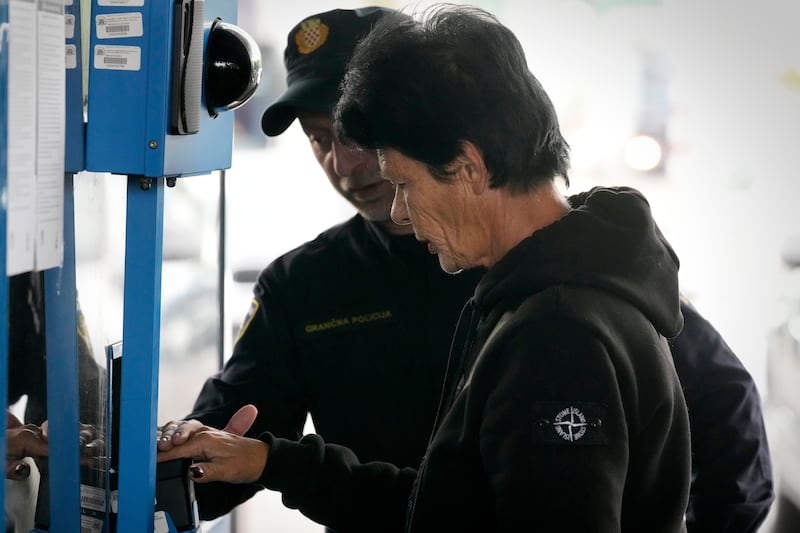
“This isn’t just affecting airports. It’s affecting border crossing, whether it’s a cruise ship, by land, train, or airport,” Harold said.
Weatherhead recommends that if you do plan to go to Europe, you arrive much earlier, especially for intra-Europe flights.
She also advises keeping passports and travel documents easily accessible, monitoring airline apps for updates, considering flexible fares where possible, and registering with Canada’s Registration of Canadians Abroad Service.
While the new system is expected to make travel faster in the future, for now, it seems to be a growing pain as systems roll out.
“They are going to get your fingerprints, and they’re also going to do some facial recognition,” said Weatherhead, adding, “that’s what is kind of slowing things up right now. It’s that they’re gathering all that information.”

