A prominent disability advocate is calling out Metrolinx for its failure to ensure the new Eglinton Crosstown fully accessible.
David Lepofsky, a retired lawyer who has been blind for most of his life, says he’s frustrated and angry, and he wants answers from the provincial transportation agency over what he calls “bungled design work” affecting riders with disabili
ties on the new light rail transit line.
“I’ve been riding the TTC for 50 years. I don’t want to have to find the elevators, which may not be working periodically,” he told CTV News Toronto on Monday.
“I just want to be able to find my way to the stairs or the escalator, and Metrolinx decided when they designed these stations they would only provide us blind people with guidance to get to the elevators, not the escalators or stairs.”
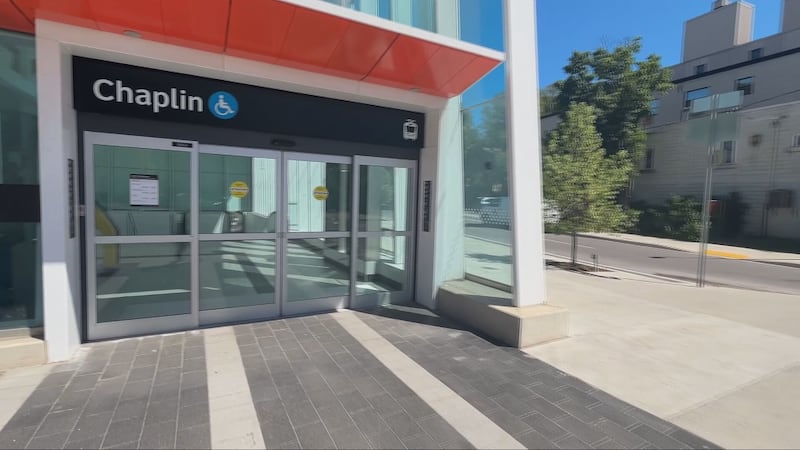
Lepofsky said he and a friend recently shot a video inside the new Chaplin Crosstown station at 574 Eglinton Ave. to highlight the problem.
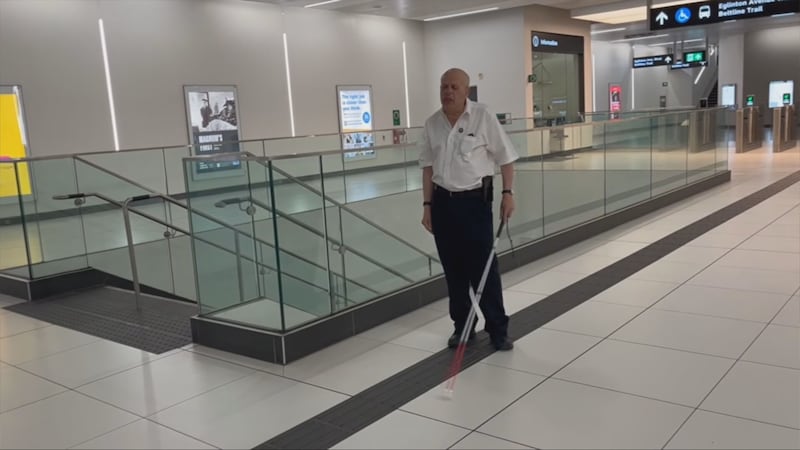
He says the tactile walking surface indicators in the station only lead to the elevator, adding that there should really be more of them and on every level.
In the video, Lepofsky shows how he needs to be guided by an exterior wall just find the escalator.
“There should be proper tactile warnings on the floor, not just to the elevator, but also the stairs and escalators, so that is easier and straightforward to find our way around these stations,” he said.
CTV News Toronto reached out to Metrolinx about Lepofsky’s concerns.
In a statement, the agency said in part that it is “dedicated to building a transit system that is safe, accessible, and inclusive for all customers.”
“Through public consultation with people with disabilities, Metrolinx works to ensure transit infrastructure and services meet the needs of the broadest range of users possible. We are continually looking for opportunities to enhance accessibility across the network and improve the customer experience,” Metrolinx said.
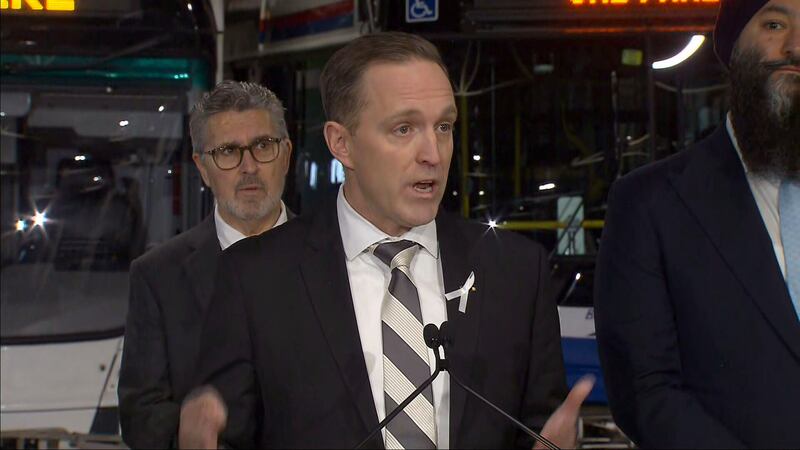
Lepofsky, meanwhile, says he has a written a letter to the CEO of Metrolinx and is asking for a face-to-face meeting to address this issue. He says people with disabilities continue to face far too many barriers in public transit.

