


Call it a ruff pitch.
A pair of border collies are being hired to keep Canada geese – and their droppings – off a FIFA World Cup practice pitch in Etobicoke’s Centennial Park.
The working canines are employees of Border Control Bird Dogs, which is based in Sterling, Ont.
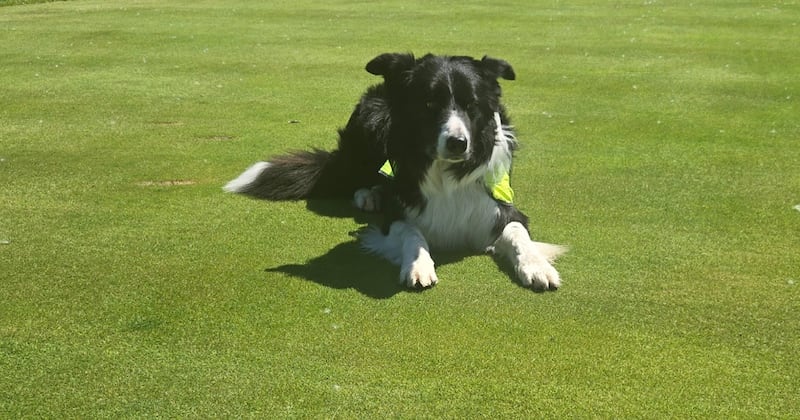
Owner and operator Gareth Williams said the dogs are trained to haze the geese, instead of chase them, in order to “reeducate” the birds. He explains the hazing helps the birds think there are predators in the area and ultimately stay away. The process is considered a humane way of keeping birds off grassy areas.
“The dogs crouch down and stalk the geese, as they would traditionally for sheep and moving livestock,” Williams told CTV News Toronto. “Geese then start thinking the border collies are predators in that area, and it encourages them to leave.”
Williams has five dogs that work for the company throughout the province, focusing on golf courses, schools, cemeteries, and any other type of large, open green space. He said they work on the premises that they’re “fighting nature with nature.”
“There’s no environmental impact, no pyros or birdbangers are being fired,” he said. “The geese are never harmed in any way.”
During the 2015 Pan American games, Williams was approached by the City of Toronto to help clear the new stadium’s grass for the big event, so they hired him again this year for the FIFA World Cup.
“They’d laid all the turf and they were worried about geese getting on that turf and eating the grass and leaving their deposits everywhere,” he said. “It’s not very nice for the athletes to be training on.”
Toronto Stadium, where actual World Cup matches will take place, provides no clear runway for Canada geese to land, so they aren’t likely to spend time there, Williams said.
But the Centennial Park field, where Canada’s national soccer team is currently practising ahead of its World Cup opener on June 12, is more exposed.
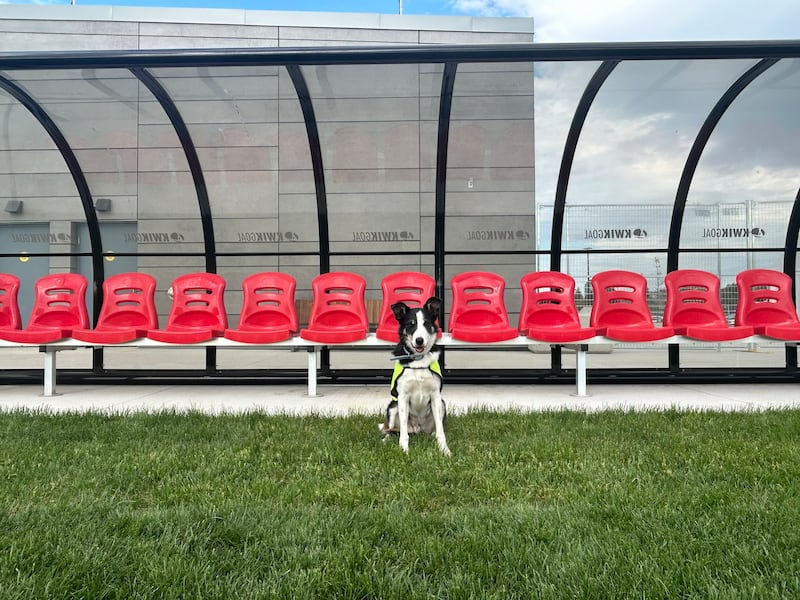
Currently, the dogs, Sally and Ben, are going to the pitch twice a day, every day, for about 30 minutes. If the geese population changes, Williams said they’ll adapt the schedule. He suspects a river behind the pitch is where the birds have nested, so the goal is to keep them from walking into the sports complex.
Originally from England, Williams said soccer is “in his blood” and is thrilled he and his dogs have the opportunity to play a small part in the big event.
“It’s really, really cool and very interesting,” he said. “Obviously the connection to the World Cup is brilliant.”

