
The head of Toronto’s Waterfront BIA said that bars and restaurants in the area saw the direct benefits of hosting six World Cup games, while businesses in other parts of the city sat on the sidelines.
Speaking to Newstalk 1010 on Tuesday, executive director Tim Kocur said the BIA surveyed businesses by the water on Canada Day. Sixty-three per cent of respondents said they were preforming better than last year and most said that the World Cup was a “major factor” in that success, according to Kocur.
“The experience was pretty great for most businesses,” he said, adding that foot traffic was up on the western waterfront between Union Station and Toronto Stadium and that the Harbourfront Centre was “busier than ever” due to the fan zone located there.
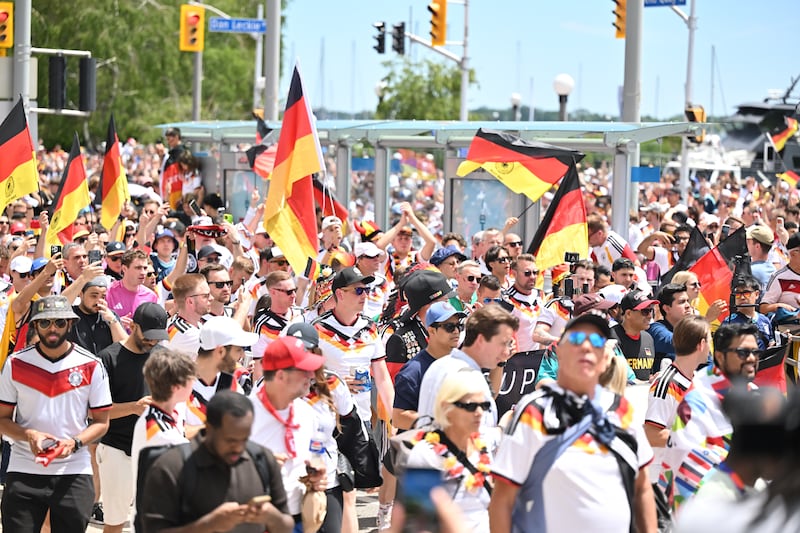
Kocur pointed out that while the survey was anonymous, the Amsterdam Brewhouse saw unprecedented sales on June 20, when Germany played Ivory Coast in Toronto.
“I’m sure they’re okay with us saying this: they said that was their busiest day they’ve ever had in their 15 years being on the waterfront.”
Of the businesses surveyed by the BIA, Kocur explained only 50 per cent said they saw a boost from the tournament, highlighting that boat companies were down compared to last year as fans opted to watch the games on land as opposed to the island. Ferry terminal business was also flat, he said.
The success of businesses at the waterfront during the World Cup appear to be an outlier to the rest of the city, however.
Last week, payment processing company Moneris released citywide spending data between June 12 to 26 which showed that restaurants and bars only saw a three per cent bump year-over year. Total spending on hotels was up 18 per cent over the same period.
Kocur said the waterfront’s proximity to the FIFA action was likely the biggest driver of its success, noting that suburban restaurants and bars may not have been “as lucky” to cash in on the extra foot traffic due to their locations.
“...this was a promotion of our city to the entire world that hopefully will benefit our brand as a city and as a waterfront city in the future,” he said.
In a separate poll released Tuesday, six out of 10 Torontonians approved of the city’s World Cup hosting duties, with 23 per cent saying it was a “very” good thing.
Of the 1,000 respondents polled, who were also surveyed about Toronto’s mayoral race, 29 per cent said hosting the international soccer competition was a bad thing.
The city hosted five group stage matches and one knockout game at Toronto Stadium at a cost of $380 million.

