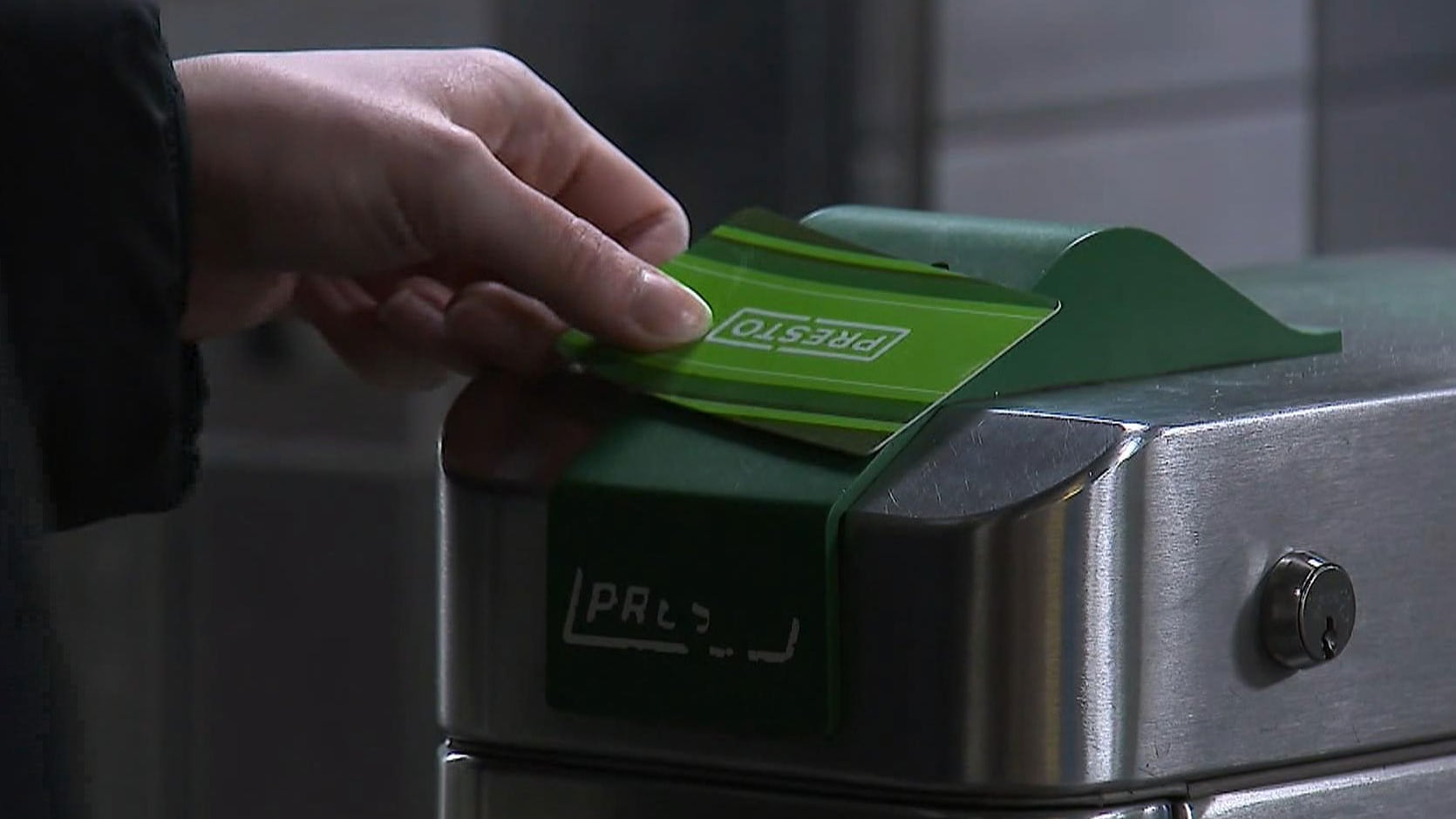
A new plan to cap monthly TTC fares is coming into effect next month.
Starting Sept., 1, riders will only be required to pay for 47 trips. After that, the rest will be free for the remained of the calendar month.
The only caveat is that riders must use the same payment method each time, whether it be PRESTO card, debit or credit card, or mobile wallet.
Monthly passes for youths, adults, and seniors as well as 12-month passes for youths and seniors are being discontinued as of Aug. 31. The TTC is, however, advising adult customers who subscribe to the 12-month pass program and post-secondary students who purchase a monthly pass to continue using them “as they guarantee the lowest fare and best value.”
This fare cap was first announced late last year and was approved in the city’s budgets, costing $3 million.
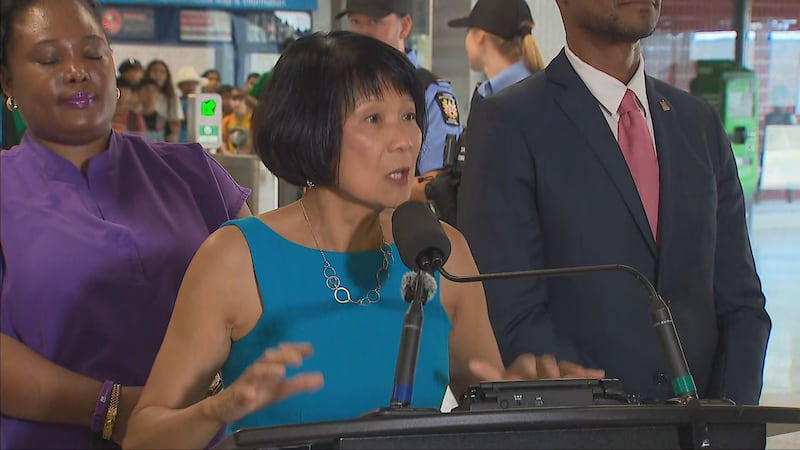
Mayor Olivia Chow shared the news at Victoria Park Station on Thursday morning.
“Here’s my message to you, TTC riders: You get all the benefits of a monthly pass without having to buy one. All you have to do is tap your phone, Presto card, or credit card, like you always do, and after 47 taps in a month, every ride after that is free, automatically, as long as you use the same payment method each time,” she said.
Chow went on to say that this means those who commute to work and take the TTC often could be riding for free before month’s end.
“If you take the TTC to work every day, and that’s 44 rides in September, add one or two nights out, and you’ll hit the 47-trip cap. After that, every ride for the rest of the month is free,” she said.
The mayor noted that this plan is also beneficial to those who don’t need to take public transit as often.
“And if you have a month where you don’t ride as much, you never have to overpay. Until now, you have to shell out 156 bucks for a monthly pass, but if the rent is due or you just don’t have the cash, you end up paying per trip and spending more over the month,” she said, noting the goal is to drop the monthly cap down to 40 rides in 2027, but that is dependent on funding and ridership.
“For a working couple with two teenagers in school, that’s close to $600 a month. No family should have to choose between rent, food, and getting around, and no one should have to choose between a big upfront cost or overpaying trip by trip.”
‘Practical, customer-focused change’
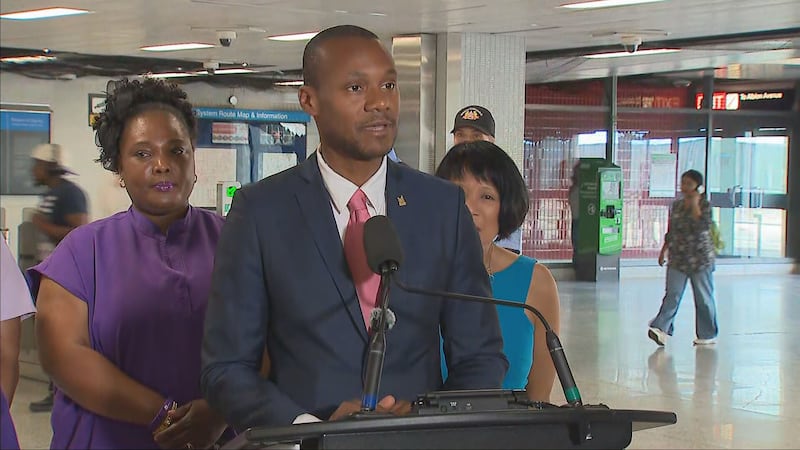
TTC Chair Jamaal Myers said this new initiative makes riding the TTC easier.
“This is a practical, customer-focused change that will help reduce the cost for frequent riders while making the system simpler and easier to navigate. Rather than asking customers to decide at the beginning of the month whether or not a ventral monthly fare pass makes sense,” he said.
“Customers just simply have to tap and go, and don’t have to think about it.”
Meyers called monthly fare capping an “example of how we’re using technology and modern payment systems to deliver a fairer experience to our customers.”
He added that in addition to TTC fares being frozen for three years in a row, they’ve extended the one-fare program with Metrolinx, “saving some customers up to $1,600 per year.” Meyers also noted that the TTC offers free conventional trips to students on field trips during the school year.
“These are all initiatives that are going towards supporting our broader goal of growing ridership, strengthening public transit, and helping Toronto remain an affordable city to live, work, and study. Together, we’re building a transit system that is reliable and convenient, and delivers greater value for the people who use it every day,” he said.
With files from CTV News Toronto’s Mike Walker

