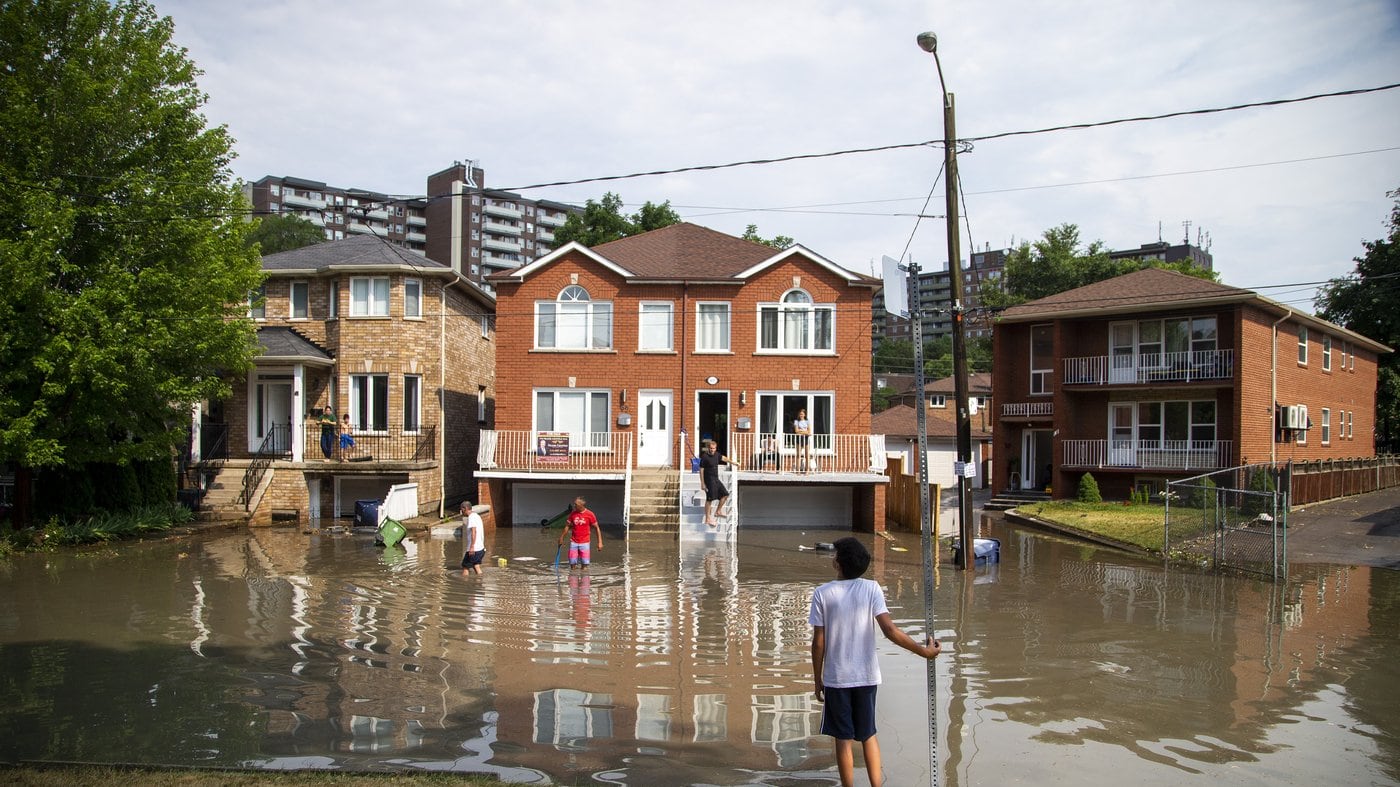
Homeowners in some parts of the Greater Toronto and Hamilton Area are paying higher home insurance premiums as insurers factor in growing flood risks.
Neighbourhoods in Toronto, including Scarborough, Etobicoke, and North York, as well as Brampton and Hamilton have been identified as having “high or extreme risk for system or sewer backup,” according to David Mayer, the director of insurance and underwriting at Rates.ca.
“Insurers assess localized risks such as flooding, sewer backup, and wind damage, which have been particularly prevalent in southern Ontario in recent years,” he said, noting these factors can contribute to higher insurance rates.
According to statistics from Rates.ca, the average yearly cost for home insurance in Toronto is $2,296. Within the cities borders, neighbourhoods that surround Lake Ontario have the highest rates, with an average of $2,574 per year, 15 per cent above the provincial average.
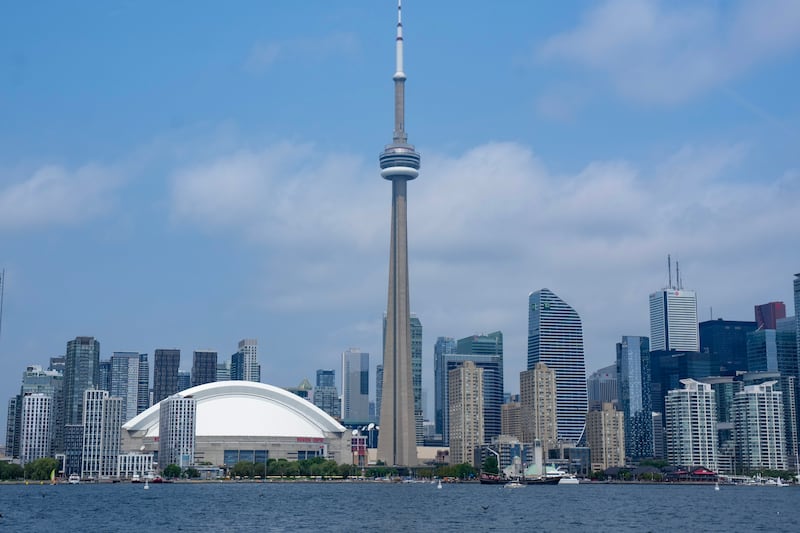
The average annual premium in Brampton is $2,140, while Hamilton’s average is slightly higher at $2,161. In Scarborough, the Birch Cliff and Cliffside neighbourhoods have the highest average annual premium at $2,336, according to Rates.ca.
The GTHA still has more affordable insurance premiums than other parts of Ontario overall, with the statistics from Rates.ca suggesting the the top 10 most expensive cities are all located in northern Ontario.
Etobicoke ‘high risk for system backup’
But premiums are on the rise.
Rates.ca says that every neighbourhood in Etobicoke is ”classified as high risk for system backup,” with some areas seeing premium increases of up to 15 per cent year-over-year. Etobicoke saw the average premium rise 4.1 per cent to $2,290 overall.
Factors such as crime, average housing cost, home features such as swimming pools or fireplaces also have an affect on an area’s home insurance costs.
With homes that see high-premiums due to flood risks, those rates are often result of aging infrastructure, population density and their proximity to waterfront areas.
What can homeowners do to protect themselves?
Mayer said homeowners in higher-risk areas can take several steps to reduce potential out-of-pocket costs and protect their properties from damage.
“Homeowners and consumers should understand what a standard home insurance policy will typically cover,” he said.
While many policies cover accidental water damage from inside a home, such as burst pipes or a dishwasher malfunction, they often do not cover damage caused by external flooding or sewer backups.
“The good news is those coverages are available. They are optional coverages, however, so it’s important for you to understand what is available in your policy,” Mayer said.
Beyond reviewing coverage options, Mayer recommended homeowners consider water-mitigation measures, including installing battery backup sump pumps, backflow valves and other protective systems.
However, he said having the right insurance coverage remains one of the most important protections for homeowners.
“Having insurance with the right coverage is really your best layer of protection against the property,” Mayer said.
Shop around
Mayer recommends homeowners compare quotes from multiple insurers to find the coverage that best suits their needs.
However, Mayer cautioned against dropping water damage and flood-related coverage simply to reduce premiums.
“I wouldn’t recommend, especially in the GTA, across Ontario or the country, for that matter, not opting for water coverages, just because we are seeing such prevalence (of flooding),” he said.
“I don’t recommend that consumers go without that coverage unless they fully understand what they’re getting into.”

