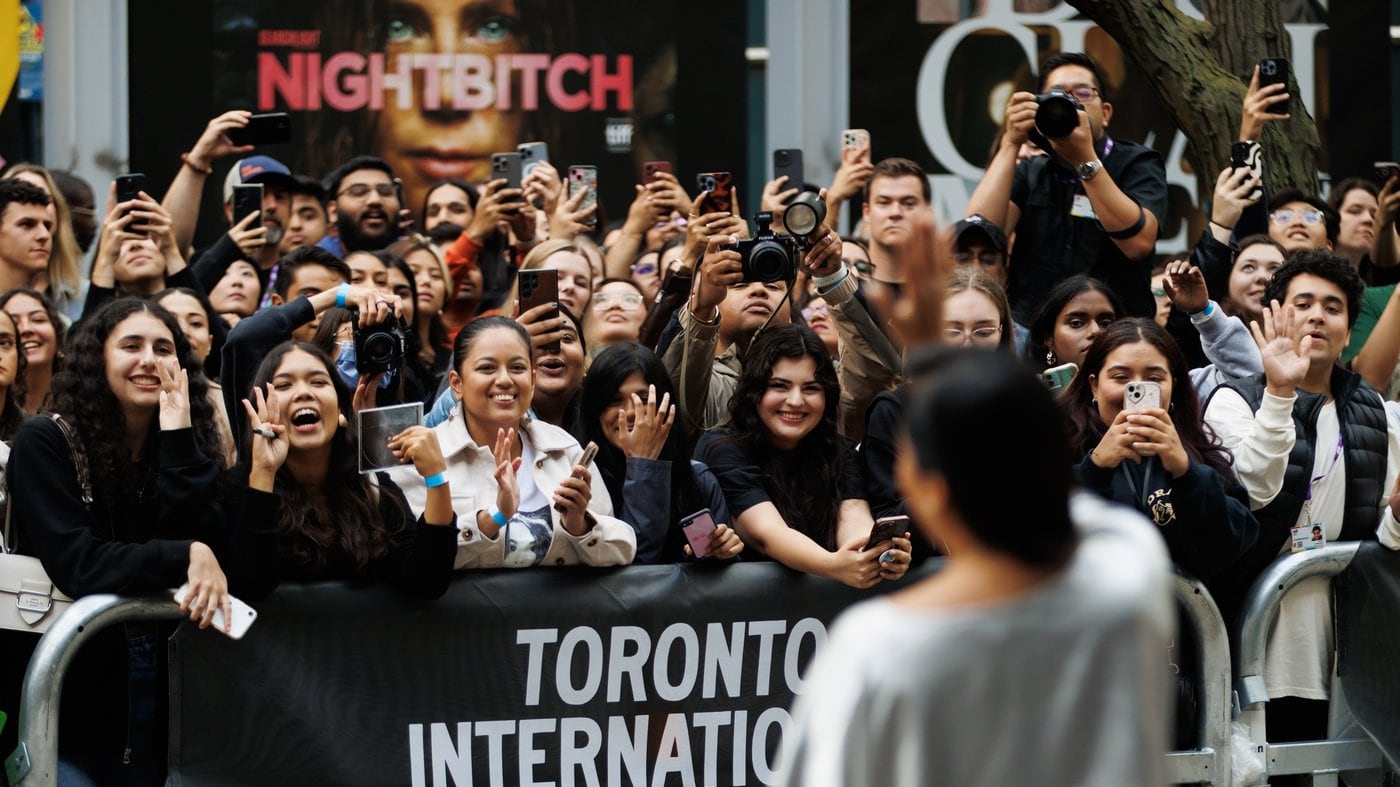
TORONTO — When Arjun Singh first started attending the Toronto International Film Festival in 2022, he remembers buying tickets to the world premiere of warrior drama “The Woman King” for about $50 each.
This year, he saw balcony seats at similar premium screenings, which often include a Q-and-A with the cast or director, selling for as much as $106.
“That makes you go, is this really worth it?” said the Toronto non-profit worker, who has cut back on TIFF galas and now mostly opts for regular festival screenings because of the prices.
While TIFF fans have grown accustomed to tickets edging up by a few percentage points every festival, the hike they noticed this year marked the first time in recent memory that films, other than the opening and closing night galas, cracked the $100 mark.
Fans reported tickets to the premieres of anticipated films like Palme d’Or winner “Fjord,” justice system thriller “Prima Facie” and the Ryan Gosling-produced “Love of Your Life” going for as much as $106. Others posted screenshots on Reddit of tickets in the first few rows of premieres selling for $128. Last year, screenings in the same tier went up to $98.
TIFF did not respond to multiple requests for comment on ticket pricing.

The increase has some diehards, who can see upwards of 30 films during TIFF’s 10 days, rethinking how many premieres they’ll attend. Others are wondering how long it will be until they’re priced out of the event once nicknamed “the people’s festival” because of its affordability and public access.
“It definitely adds up and when you’re getting tickets for friends too. You don’t really want to look at your credit card,” said Joel Chico, an actor who estimates he spends about $2,000 on up to 30 tickets to premium screenings each year.
Like many TIFF fans, he takes the grin-and-bear it approach to ticket prices because of the thrill of being in the room with the cast when a film is seen for the first time. Still, they wish it cost less.
“I love TIFF. It’s like my Christmas every year but the costs are just kind of crazy nowadays,” Chico said.

While TIFF typically releases price ranges for every kind of ticket it sells in the lead up to the festival, this year it didn’t tell attendees what seats in each category would top out at.
Regular screenings, which come after premieres and do not typically have cast members in attendance, were listed as starting at $30 for non-members. Premium screenings began at $46. When The Canadian Press browsed tickets, it found many premium seats at screenings going for up to $106.
In the lead-up to the festival, TIFF advertised a $2 discount on regular screenings for members. It also promised $15 tickets to select screenings but had yet to release more details about those seats with just over a week to go before festivities began.
Charlie Keil, a professor at the Cinema Studies Institute at the University of Toronto, said TIFF is likely increasing prices both because it can, and because it needs to.
Over its 51-year history, he figures festival organizers have more than realized film fans will pay big bucks to see a movie before anyone else and to see it with Hollywood’s biggest stars in attendance.
“If the demand is there, that, in a way, stimulates institutions to push the pricing envelope because they think people will keep coming,” Keil said.
But there’s more than demand at play.
Arts organizations are constantly turning to patrons to help them cope with strained budgets and higher costs. TIFF is likely no exception.
“Space costs more, transportation more, food more, hospitality more, accommodation more. Everything is more expensive,” Keil said.
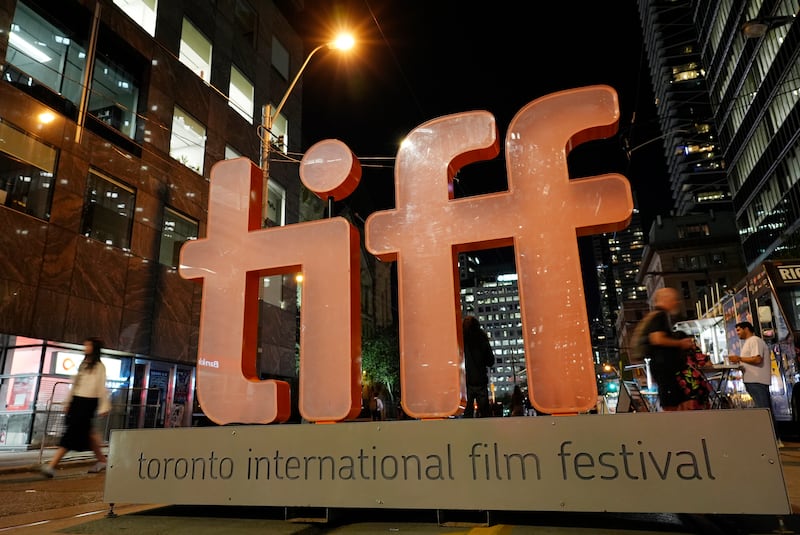
On top of inflation, TIFF is still recovering from the COVID-19 pandemic, which resulted in online and pared back versions of the festival.
In 2023, the Hollywood strikes kept many stars from promoting their films at the event. That same year, TIFF lost longtime sponsor Bell, which had supported the organization since 1995.
The federal government offered $23 million to help TIFF launch a film market this year and Rogers stepped in to fill Bell’s void with a three-year agreement that runs through 2027.
The latest financial information TIFF published in annual reports showed it had revenue of about $45.1 million and more than $41.9 million in expenses in 2024. The bulk of its revenue came from ticket sales, followed by corporate partnerships, while salaries made up about half of its expenses.
Its revenue was $39.6 million in 2023, when it had roughly $46.2 million in expenses, its annual reports show.
TIFF’s program, administrative and fundraising costs have all risen in recent years, according to Charity Intelligence Canada, an organization that analyzes and publicizes charity finances.
“There’s just so many factors that are making it tough,” Keil said. “I would not want to be in TIFF’s position right now, just trying to make it all work financially, sustain the reputation of the festival.”
Cathy Crowe understands it’s not cheap to put on a festival of TIFF’s stature — this year’s iteration will debut almost 300 films and TV shows — but she’s still disappointed in the prices.
After filmmaker friends turned the street nurse onto the festival in the late 1990s, she started treating it like an annual staycation. She recalls seeing between 20 and 30 films a year, often paying only $17 a ticket.
Crowe avoids the ritziest galas, which typically turn Roy Thomson Hall and the Princess of Wales Theatre into a buzzy spectacle, so that kept her festival affordable.
But last year, when she logged on to buy tickets during a members’ window, she found most screenings she wanted to attend sold out.
“I only got one of my 20 choices, which was so disappointing and then, when I got it, it was a $37 film,” she said. “For a really big deal film it was OK, but how could I do 20 or 30 films at that price?”
Simply put, she didn’t. She attended the one film — German historical drama “Silent Friend” — and then started contemplating how many more years she could realistically afford to be a TIFF diehard.
“I see it as the tail end,” she said.
This year, she hopes to see at least one movie — a Midnight Madness film — with her grandson, but she’s under no illusion that the festival will feel like it once did.
“It is not a people’s festival any longer,” said Crowe. “I know it will be packed. I know people will be going. I know people will be coming from all over the country, but they’re losing a lot of regular folks.”
That’s a problem, said Keil, because TIFF has long prided itself on how many members of the public attend every year.
In fact, that broad access is a selling point, helping TIFF lure in movies from filmmakers who want to test the public’s reaction or build buzz with an audience broader than the industry buffs at competing festivals.
“The whole point is to give people access to films they wouldn’t normally see from places they would not normally see films coming from,” Keil said.
“If you price those films out of the normal, let’s say, cinephile’s reach, then the festival won’t be as successful in meeting that mandate.”
This report by The Canadian Press was first published Aug. 31, 2026.
Tara Deschamps, The Canadian Press

