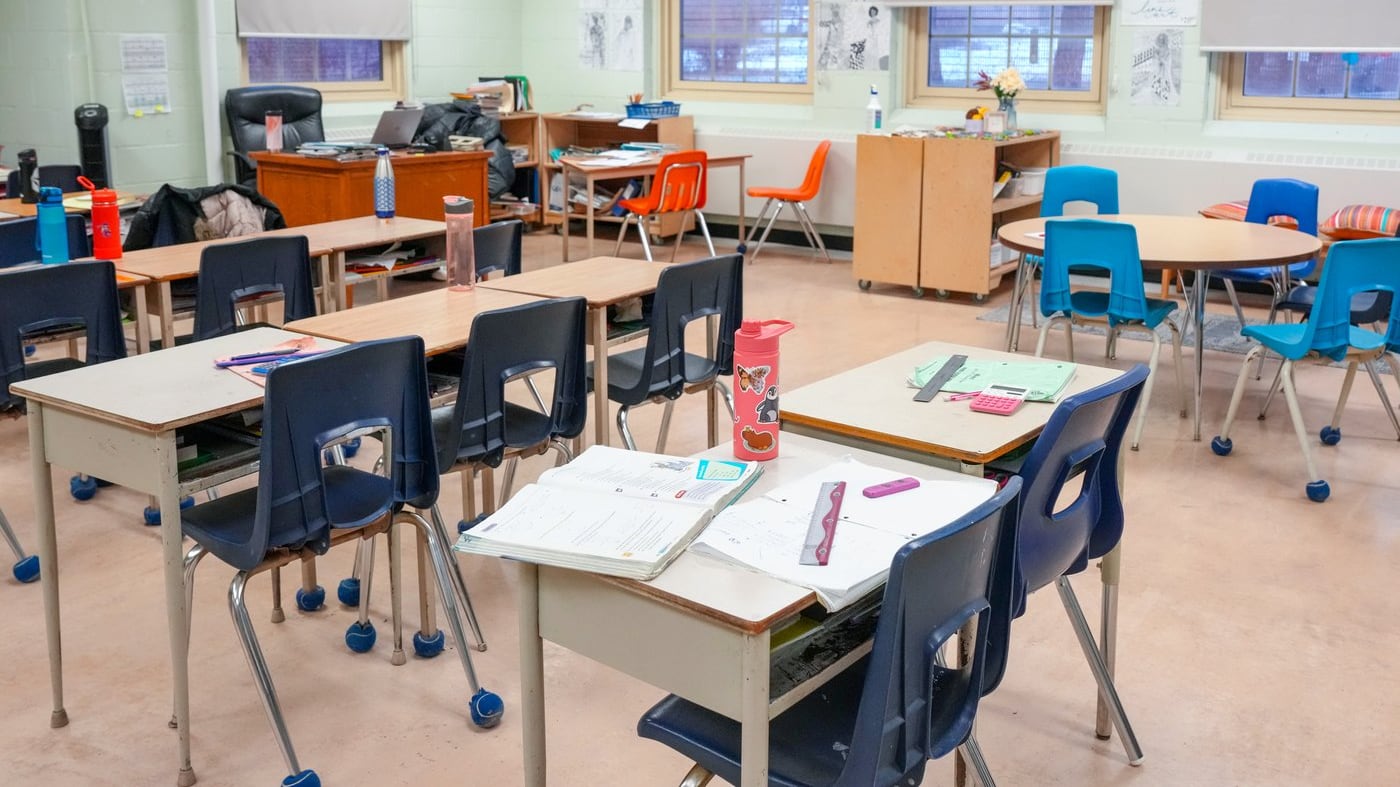
Ontario teachers and education workers are heading into the new school year without new contracts, raising the possibility of labour action if bargaining fails to produce a deal.
The collective agreements covering the province’s major education unions expired earlier this week on Aug. 31, while negotiations remain stalled for most unions over what issues should be negotiated centrally with the province and what should be left to local school boards.
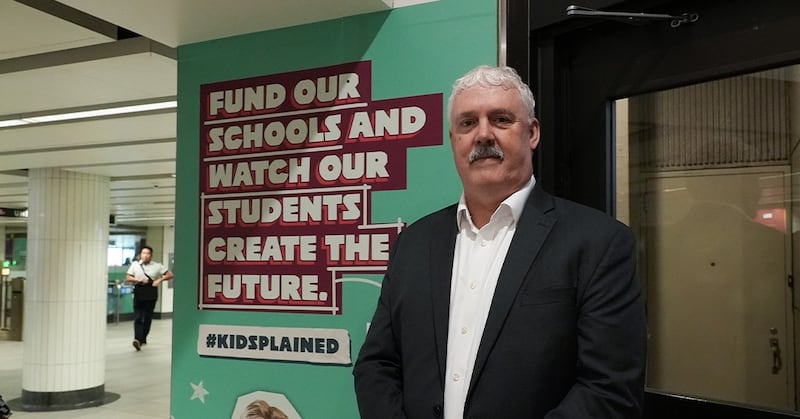
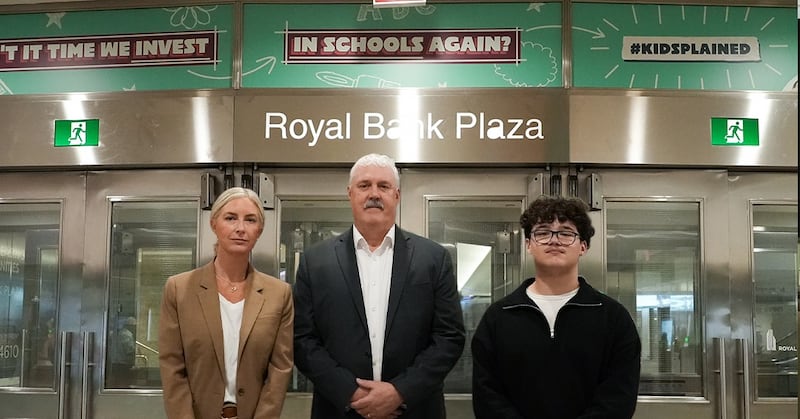
The Ontario English Catholic Teachers’ Association (OECTA) launched a new campaign Wednesday, putting its concerns about education funding, classroom conditions and government policy in front of commuters at Union Station.
“We’re running a campaign that says kids and our future need to be an investment,” OECTA president René Jansen in de Wal told CTV News Toronto.
“The kids deserve to feel that we value their futures and that we want them to reach their potential and to thrive.”
Bargaining remains stuck
The current impasse centres on the scope of bargaining while some unions have taken the issue to the Ontario Labour Relations Board for a decision.
Jansen in de Wal said the union remains committed to reaching an agreement, but argued the government’s approach is making it more difficult.
“The concern is the things they want to centralize actually demonstrate that the ministry really doesn’t have a handle on how these things work,” he said.
Teachers and education workers are not automatically headed for a strike simply because their contracts have expired. Jansen in de Wal explained that OECTA would have to go through a number of steps before job action could occur.
“Even if we go to a strike vote, a strike vote is not a strike,” he said. “Ninety-eight per cent of labour disputes get settled without a strike, even though many of them have a strike vote.”
Heather Francescut, a parent whose daughter is heading into grade one says her concerns are “centered around safety” and whether her child will “get the support that they need,” when it comes to staff.
“(A strike) would absolutely be a concern,” she said. “My husband and I both work full time, and so if a strike were to happen, it would obviously be disruptive for that reason (specifically) having to take time off…”
“We need more EAs and specialized professionals, therapists, better access to therapists and mental health supports, smaller class sizes, and more individual attention,” she added. “Every child deserves a right to education, and we need to give them whatever supports they require in order to thrive and be successful in that environment.”
OECTA new campaign
The union’s Know More campaign is aimed at highlighting what OECTA describes as the impact of years of underfunding on students and classrooms.
Jansen in de Wal said teachers are concerned about class sizes, special education, mental health supports, staffing and basic classroom supplies.
“The impacts of the $6.5 billion in cuts… are hurting kids,” he said. “They don’t have the supports they need, mental health supports, the supplies. We don’t have tissue paper in classes. Schools are crumbling.”
He said OECTA believes some issues should not have become bargaining matters in the first place.
“The safety of a child in a school shouldn’t be a bargaining issue,” he said. “The fact that kids deserve to have a decent-sized class and the supports they need shouldn’t be a bargaining issue. But we will fight for those.”
What has the government done?
The province, for its part, tells CTV News that it is making record investments in education.
Ontario says it is providing $30.6 billion in core education funding for the 2026-27 school year, which it describes as a historic level of funding focused on student success.
The government also launched a $750 Classroom Supplies Fund for elementary school homeroom teachers, giving them direct access to funding each school year for classroom materials. The province says it is also making changes intended to strengthen student achievement and provide more consistent learning experiences.
What happens next?
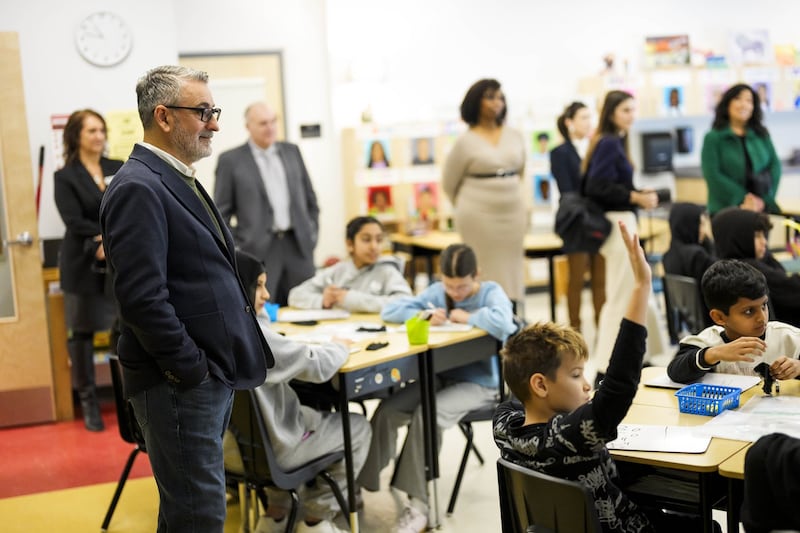
Most public and Catholic schools are scheduled to return Sept. 8.
Education Minister Paul Calandra previously said he remained “very optimistic” about reaching agreements and told reporters there was no reason for parents to plan for a strike.
In a statement to CTV News Wednesday afternoon, Calandra’s office added:
“At this early stage of bargaining, the first step is to determine what issues will be negotiated at central or local tables. Those decisions are still underway, with some unions choosing to bring this matter to the Ontario Labour Relations Board.”
“We respect their decision to do so and at all times are ready to continue discussions on the scope of central versus local issues before proceeding to the next stage of negotiations.”
We want to hear from you
As Ontario families prepare for the new school year, what are your biggest concerns about your child’s education?
Are you worried about classroom sizes, school funding, staffing, special education supports, classroom supplies or the possibility of a teacher strike?
Share your story by emailing us at torontonews@bellmedia.ca with your name, general location, and phone number in case we want to follow up. Your comments may be used in a future story.

