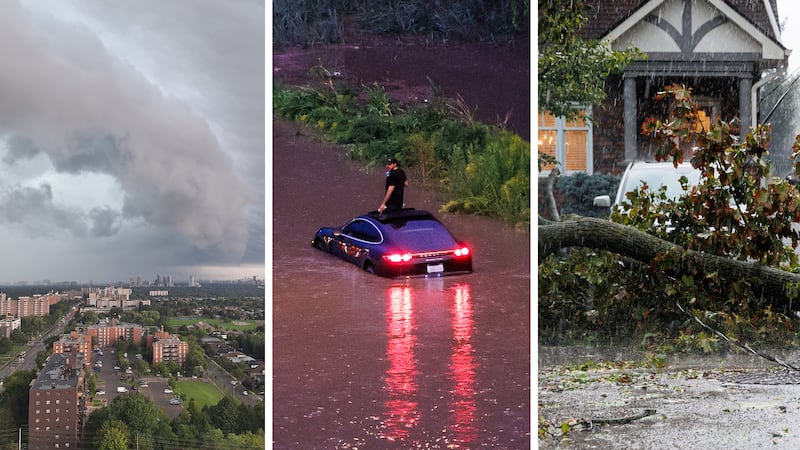
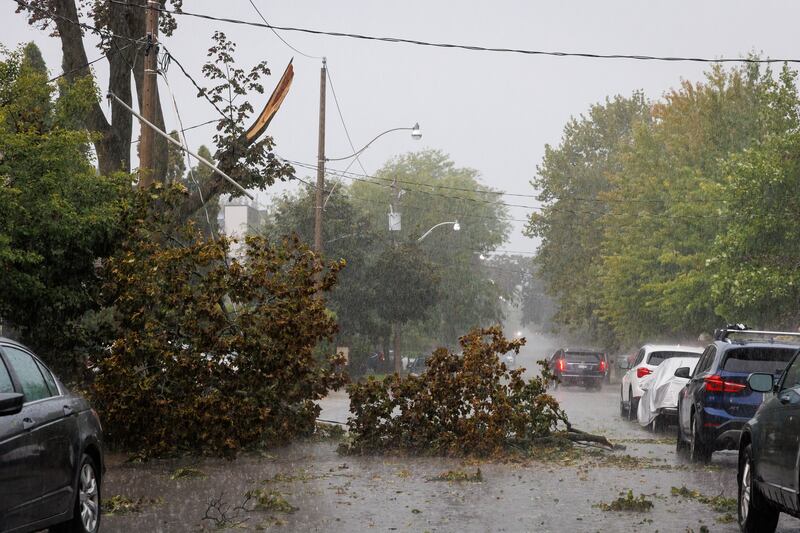
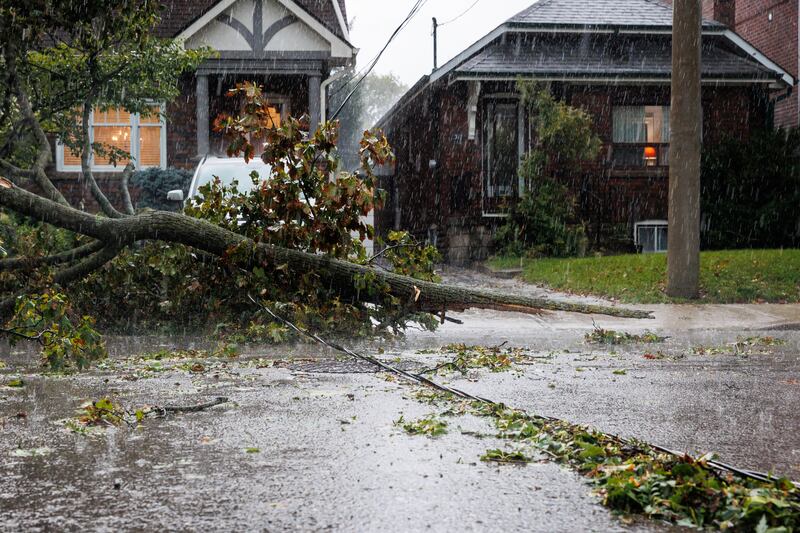
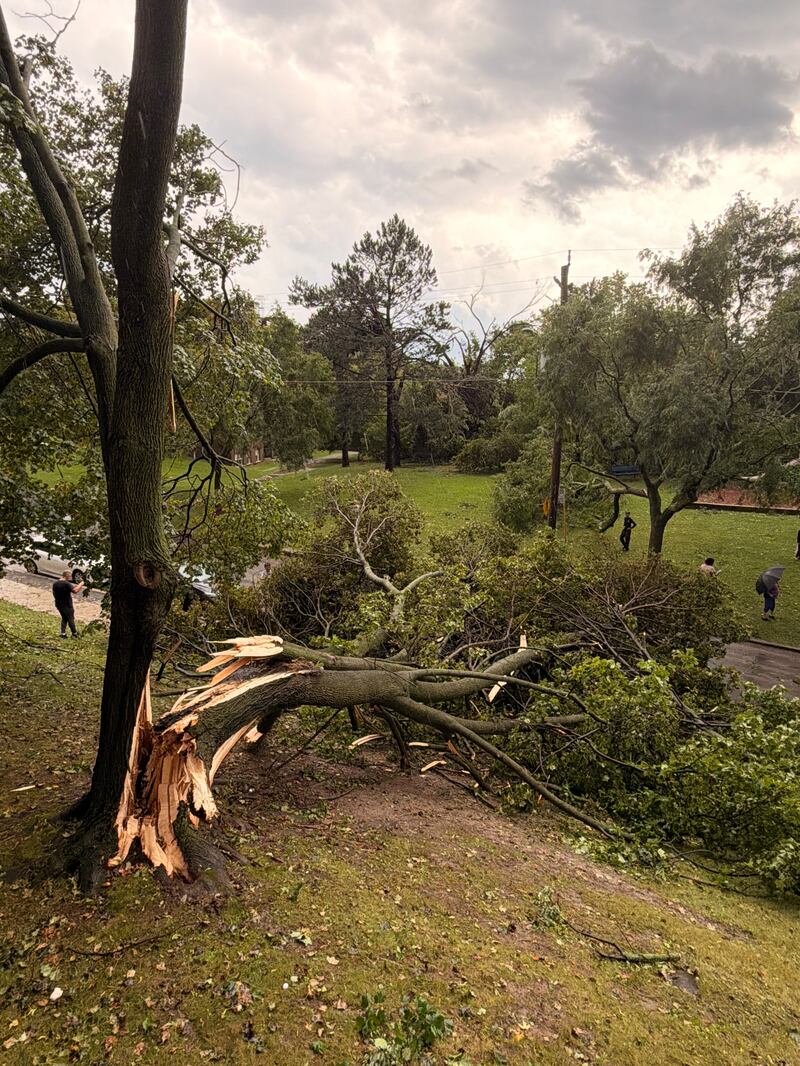
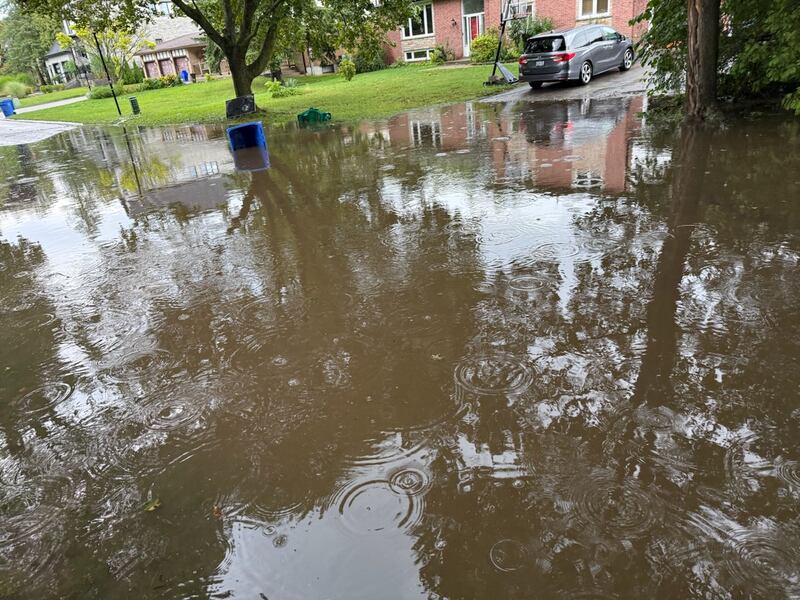
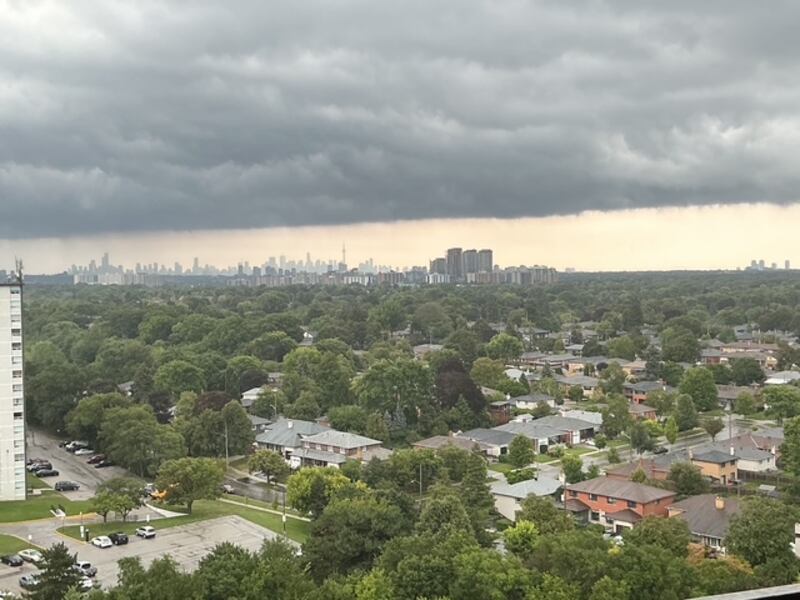
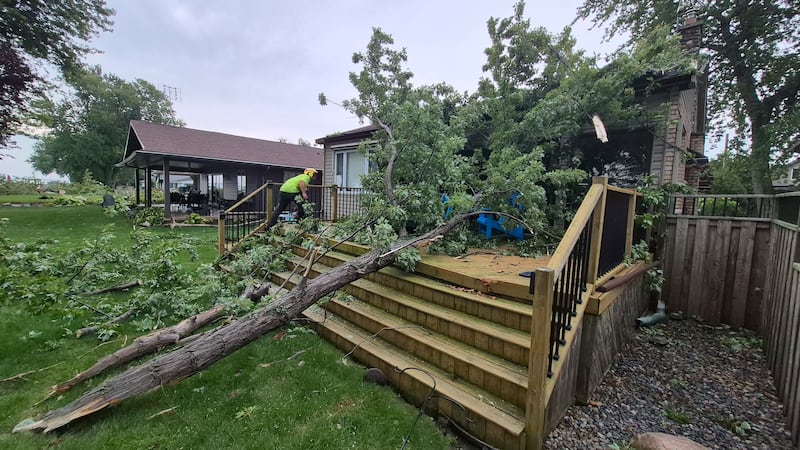
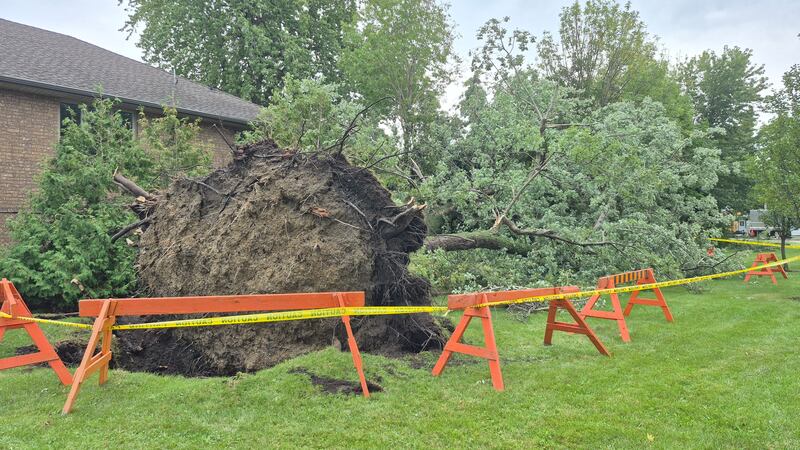
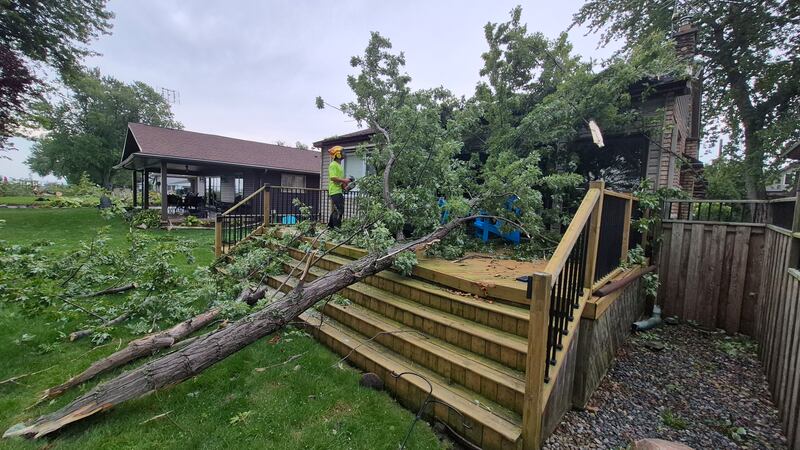
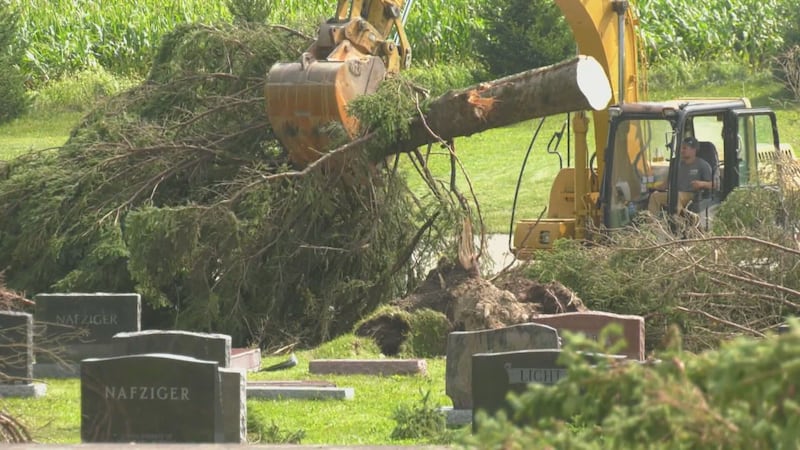
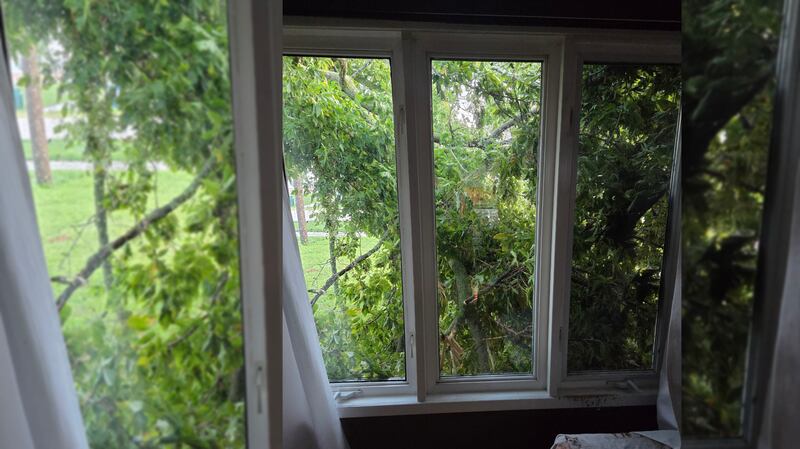
Cleanup and power restoration efforts continued in Toronto on Thursday after a severe storm battered the city and surrounding areas, drenching some neighbourhoods in more than 100 millimetres of rain and knocking down trees as well as utility lines.
Toronto Hydro said it had restored power to about 90 per cent of those who lost it during the storm, with roughly 5,300 still in the dark Thursday afternoon. The outage map of provincial power supplier Hydro One showed that fewer than 20,000 customers, including some near Hamilton and Kitchener, remained offline as of late afternoon.
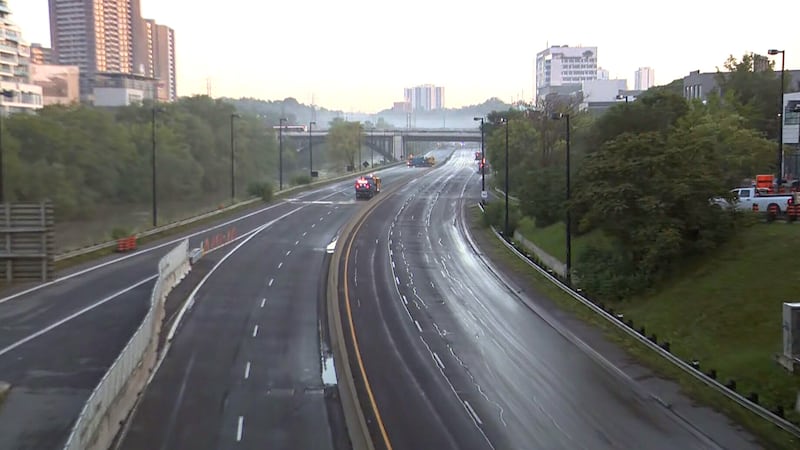
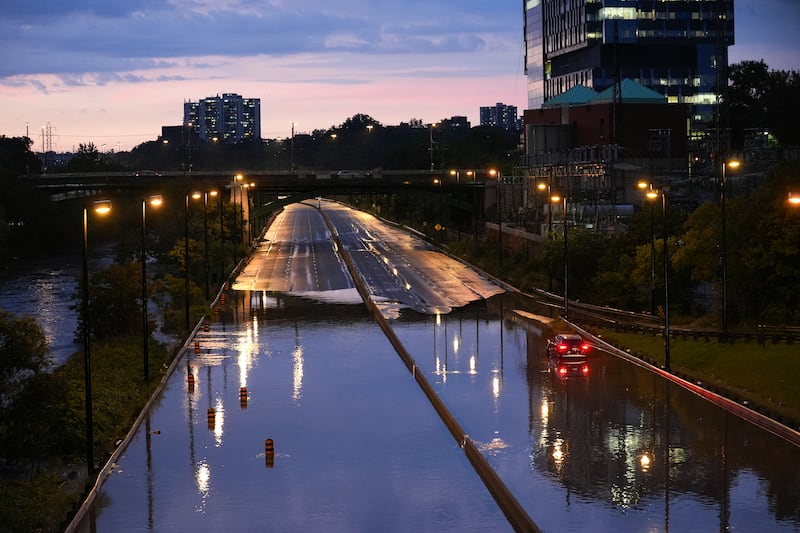
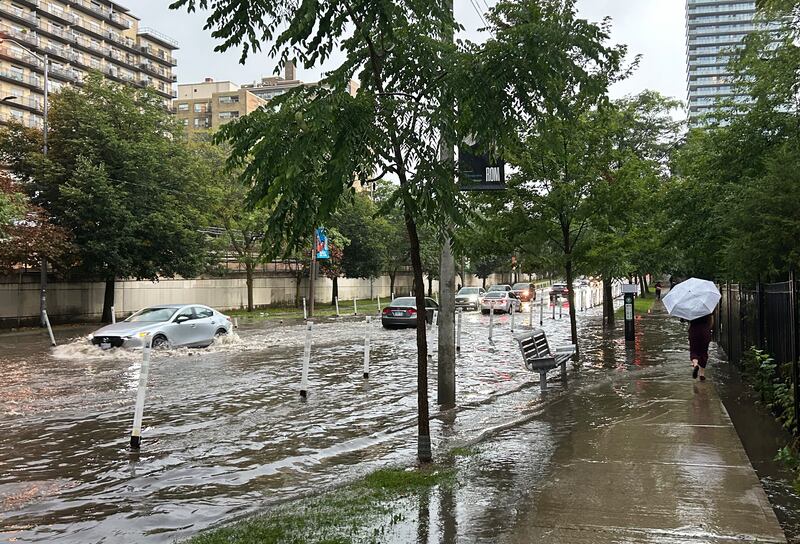
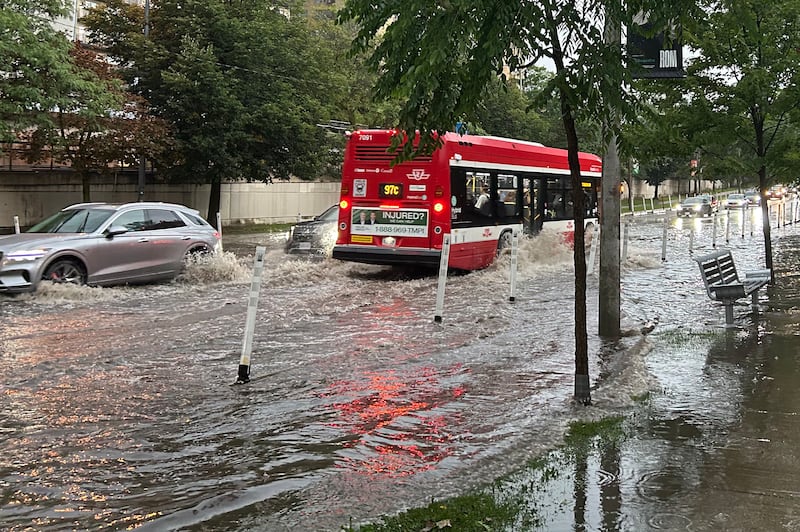
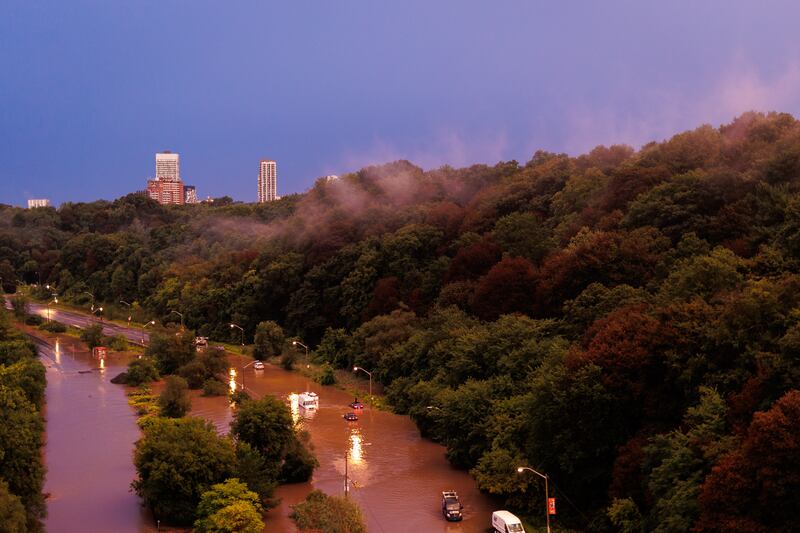
Localized flooding forced the closure of some major roadways, including parts of Yonge Street and the Don Valley Parkway, at the height of the storm and suspended subway service in some areas during the Wednesday afternoon rush hour.
Toronto Mayor Olivia Chow praised public servants and emergency responders who fielded an “overwhelming” number of calls and reassured residents that the city had planned and co-ordinated its response ahead of the storm.
“The storm has passed and I want to assure the people of Toronto that we were prepared. Our teams were co-ordinated and we will keep working until every road is clear and every resident has power back,” she said at a news conference at city hall.
The Don Valley Parkway and the Canadian National Exhibition were open Thursday morning, and transit was running as scheduled, as were city-run summer camps, she said.
Crews will be working hard to ensure parks, outdoor pools and public beaches are safe and ready for the Labour Day long weekend, the mayor said.
“To everyone who sheltered in place, checked in on a neighbour, or stayed off flooded roads last night: thank you,” she said. “That’s what got us through this safely together.”
Toronto officials said they received roughly 1,000 requests for service, while fire officials reported just shy of 1,500 calls over a 24-hour period, which they said was their second-highest call volume in a day, after the 2013 ice storm.
City manager Paul Johnson said the storm was unique in that it dumped large amounts of rain across the city rather than in isolated areas.
“We’ve not seen an event like this that’s brought this amount of water across the city of Toronto,” he said.
“Yes, there was some wide variation, anywhere from about 11 millimetres through to 110 millimetres of rain, but wide areas of the city received large amounts of rain,” along with hail and powerful winds, he said.
“Just to put it into context, that’s what we would declare as a 100-year storm.”
A similar storm hammered the city in 2005, spurring work around flood mitigation and protection, and “those have been working,” he added.
Crews were also out in nearby Vaughan to deal with flooding, water ponding, downed trees and other storm-related issues, the city said in a statement.
“Some roads remain closed, and we ask everyone to continue to use caution and avoid affected areas,” Mayor Steven Del Duca said on social media.
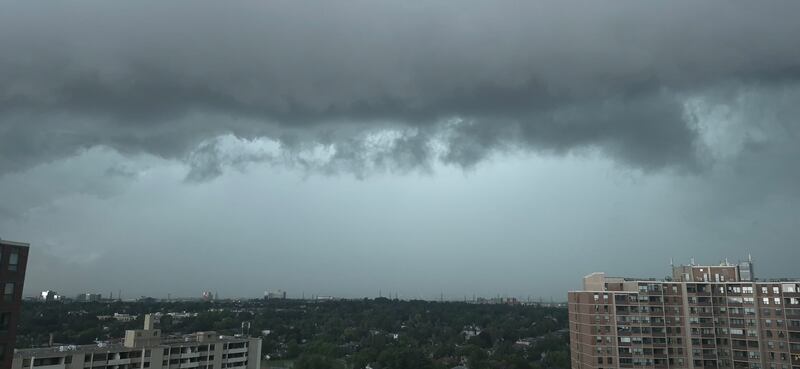
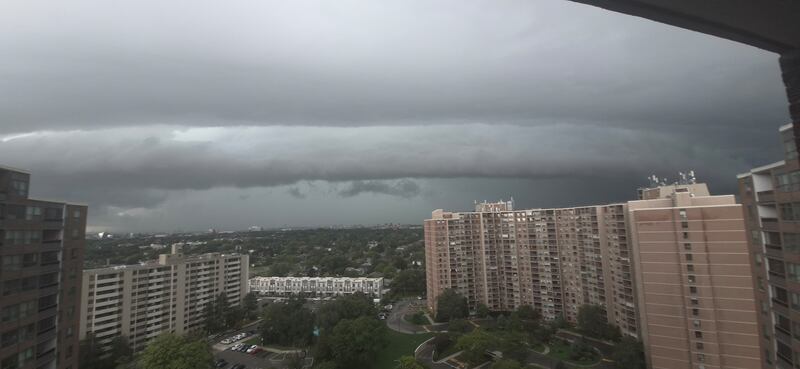
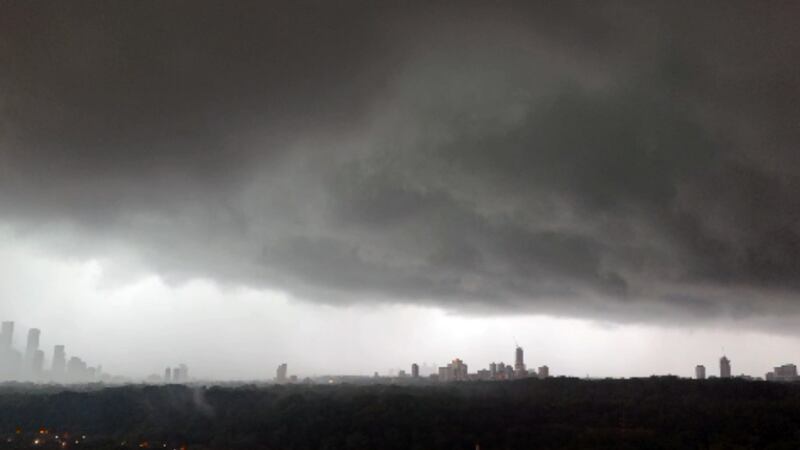
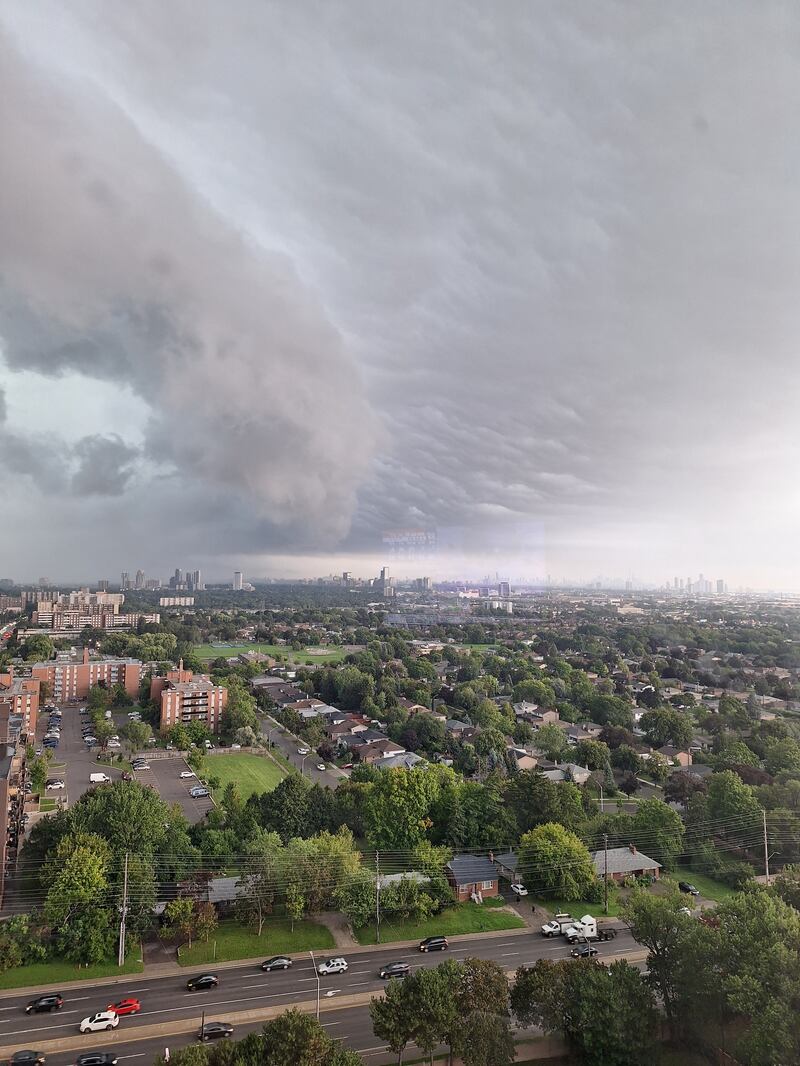
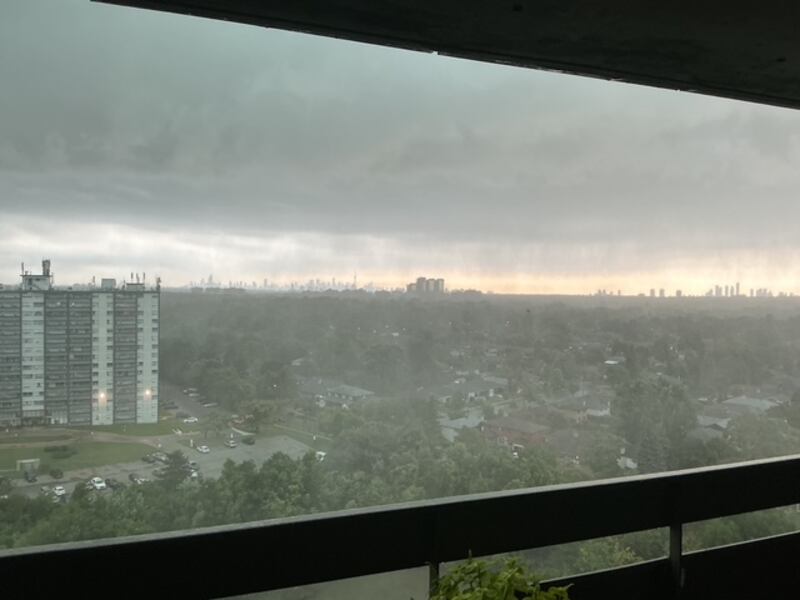
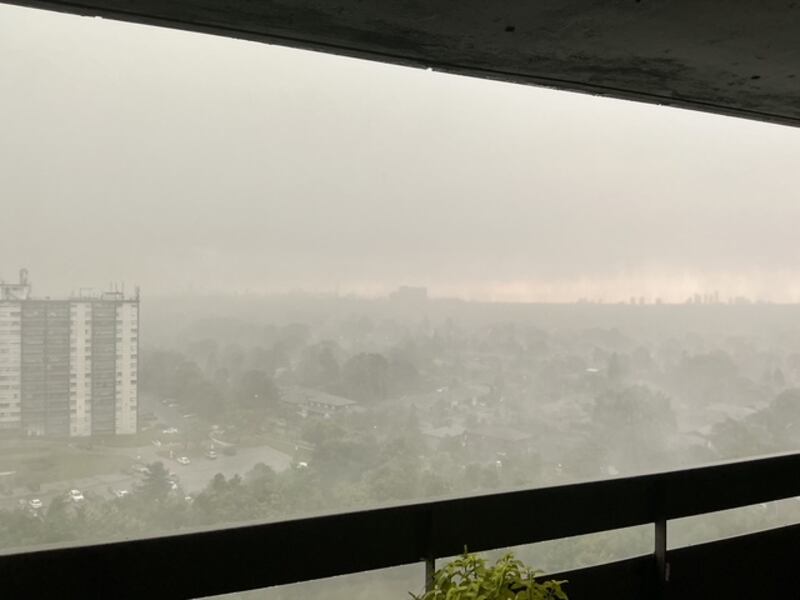
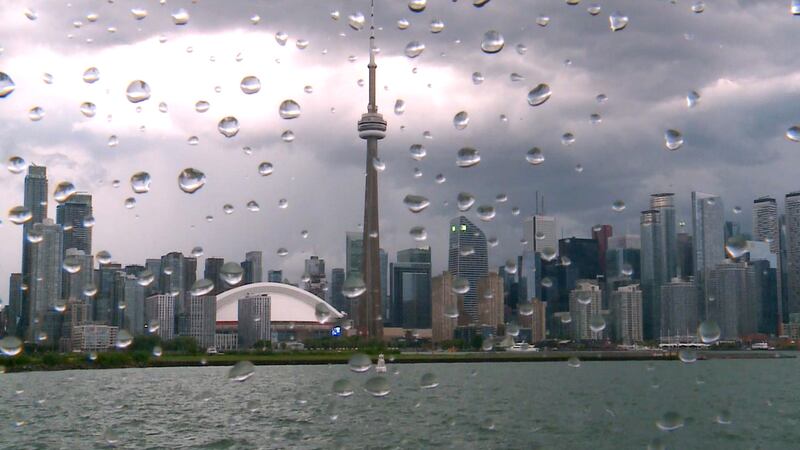
The intense weather brought torrential rain, large hail and the risk of a tornado to wide swaths of southern Ontario as skies darkened over downtown Toronto and hail pummelled neighbourhoods further north.
0 of 130
Rain took over southern Ontario by thunderstorm on Sept. 2, 2026.
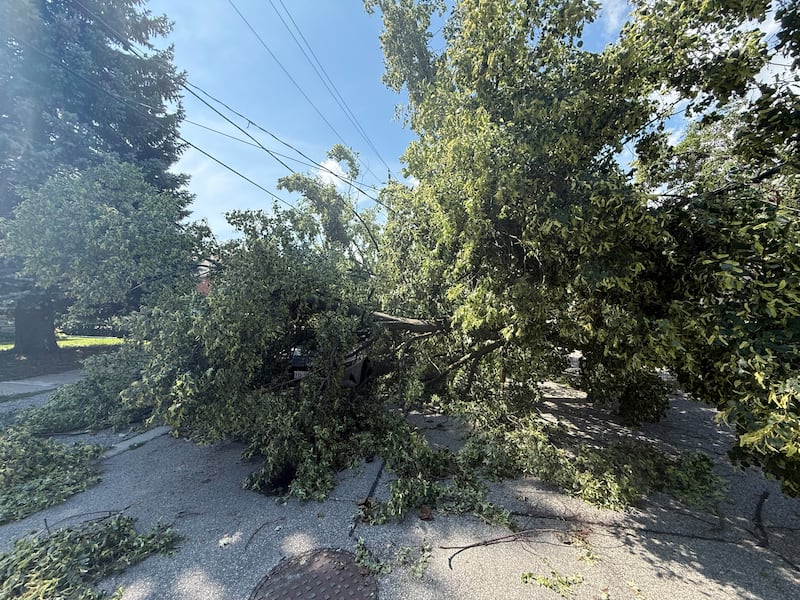
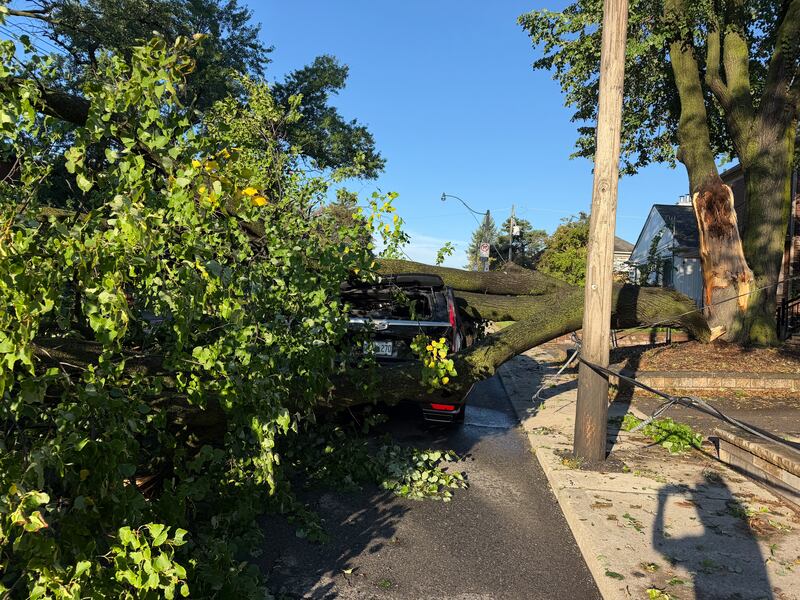
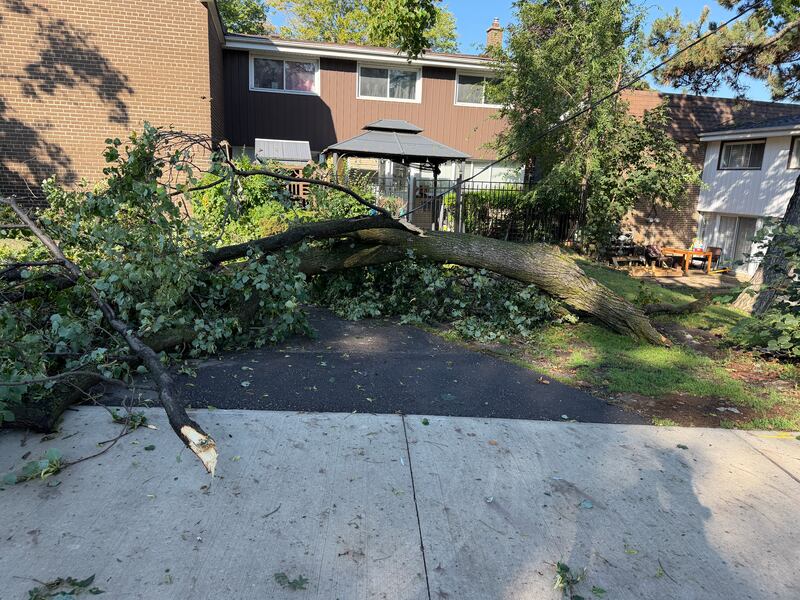
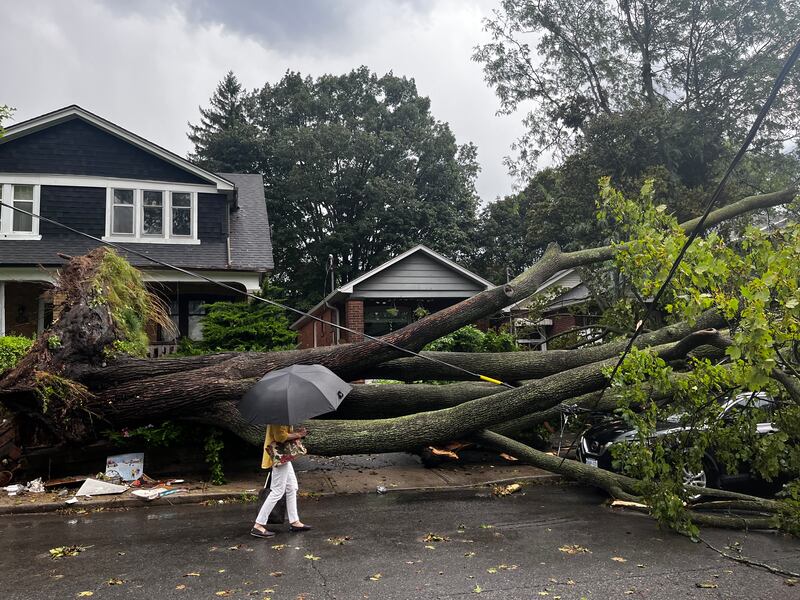
A downed tree is on top of a car on Glen Park Avenue in Toronto, Thursday, Sept. 3, 2026. (Beatrice Vaisman)
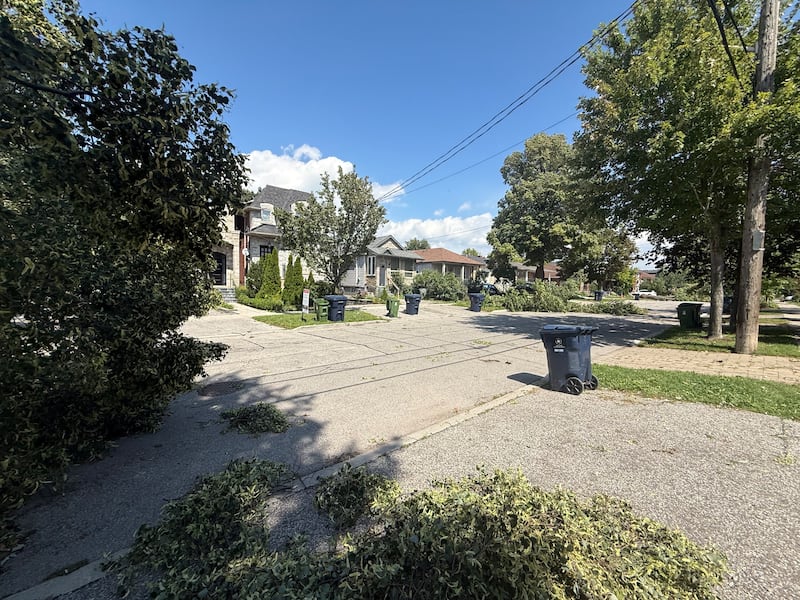
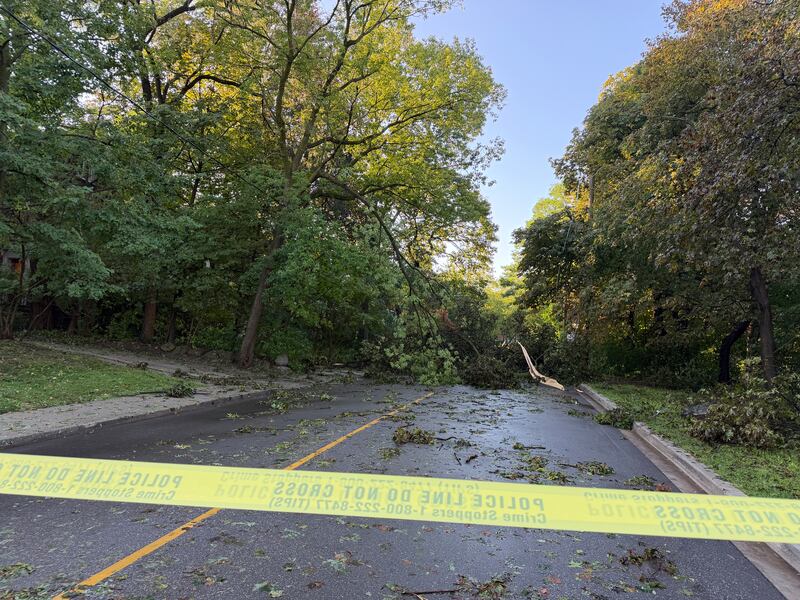
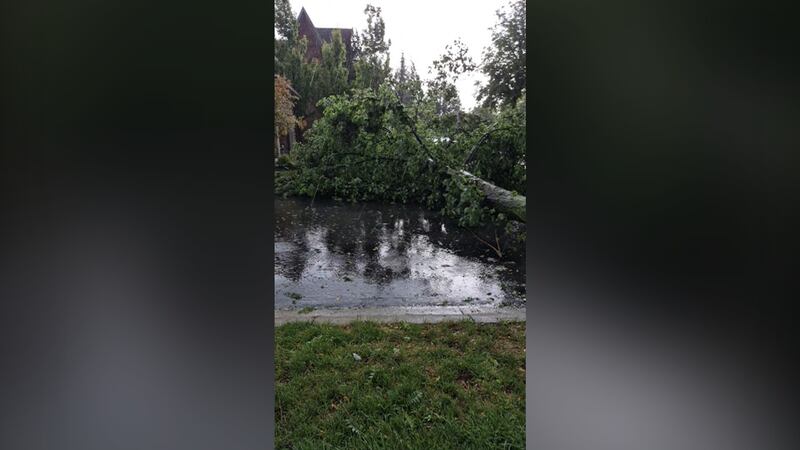
Downed trees are blocking a section of Glen Park Avenue in Toronto after a storm, Thursday, Sept. 3, 2026. (Beatrice Vaisman)
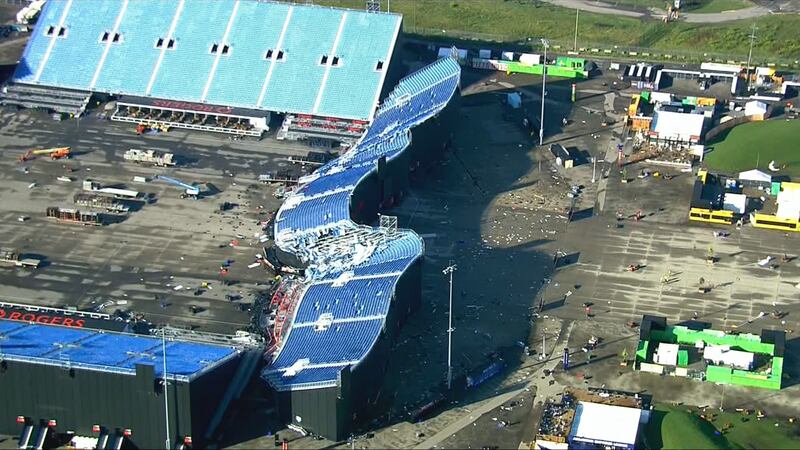
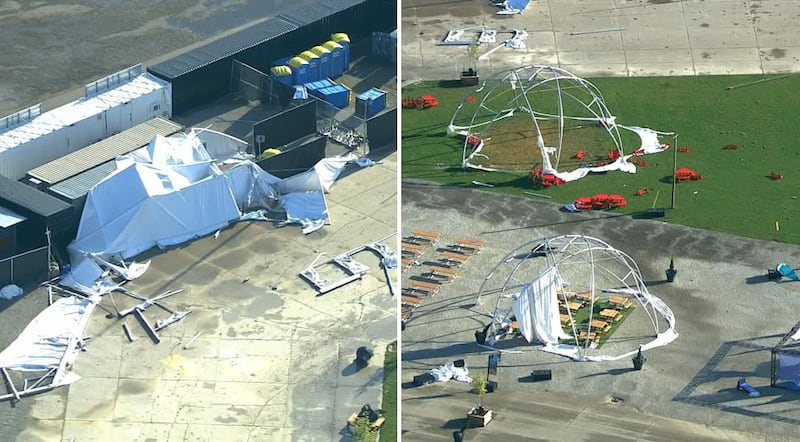
Shots from CP24 / CTV News chopper show Rogers Stadium damaged by Wednesday's storm.
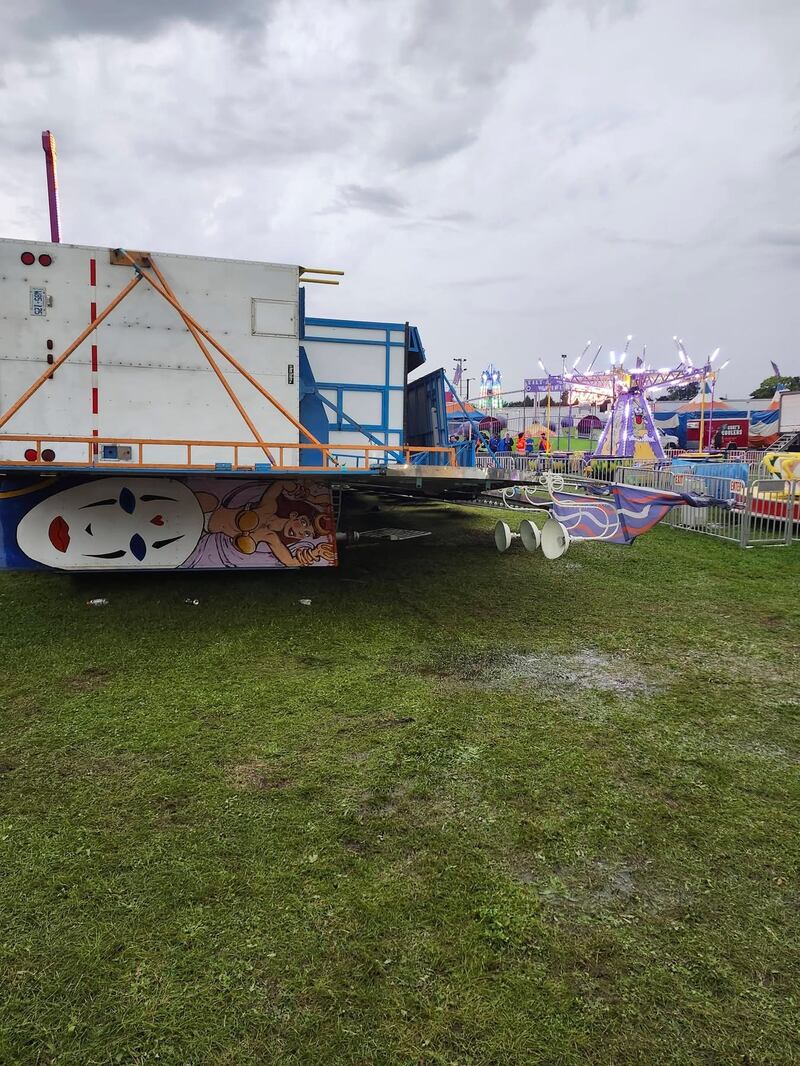
Structures in the grounds around Rogers Stadium are seen damaged from storms Wednesday evening in Toronto, on Thursday, Sept. 3, 2026. THE CANADIAN PRESS/Keito Newman
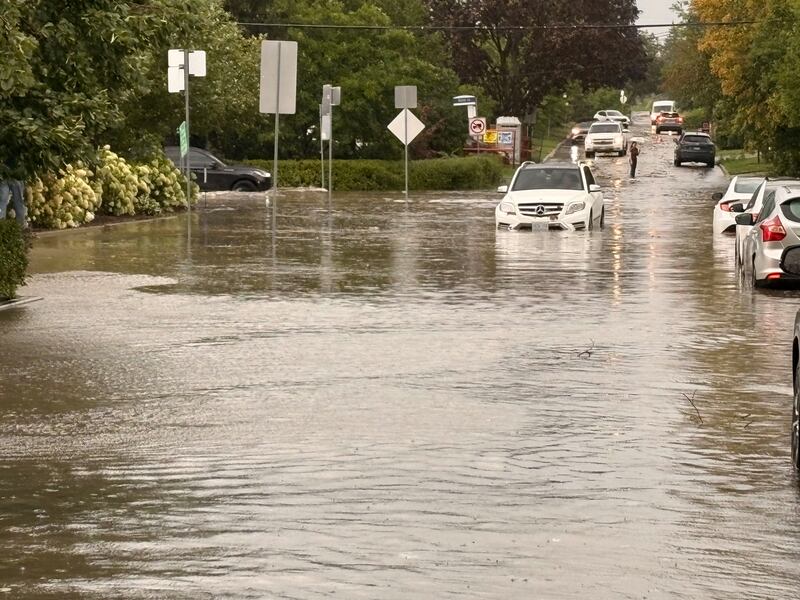
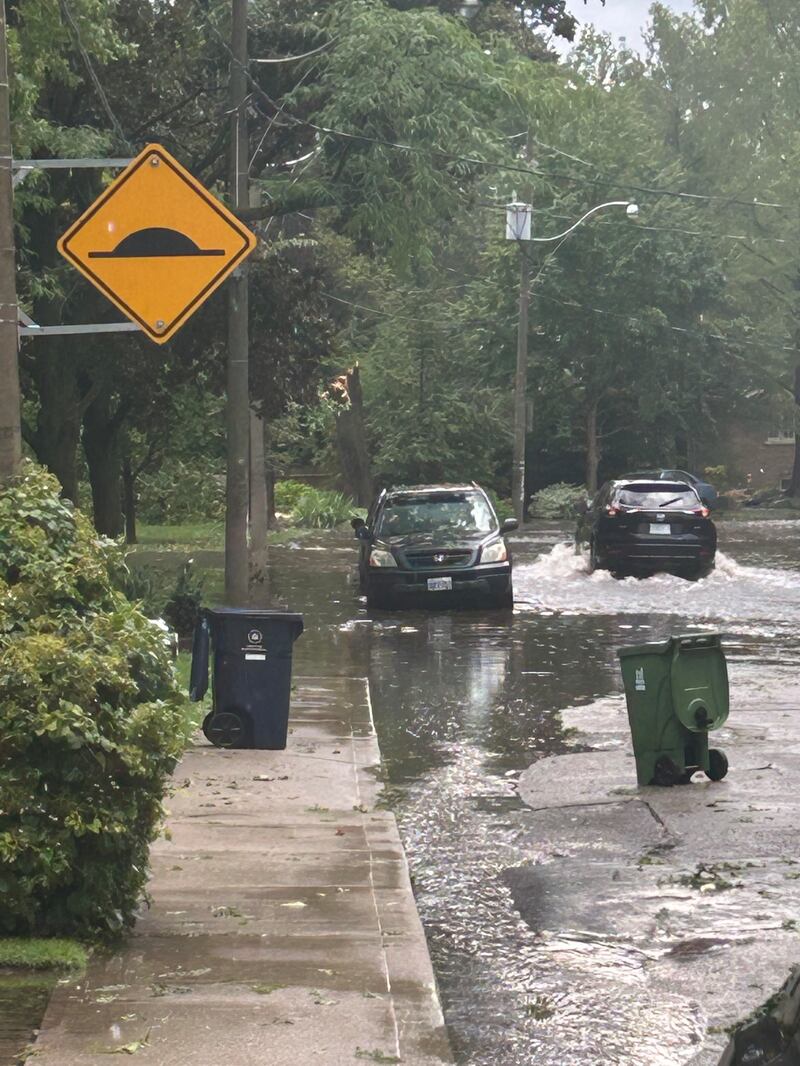
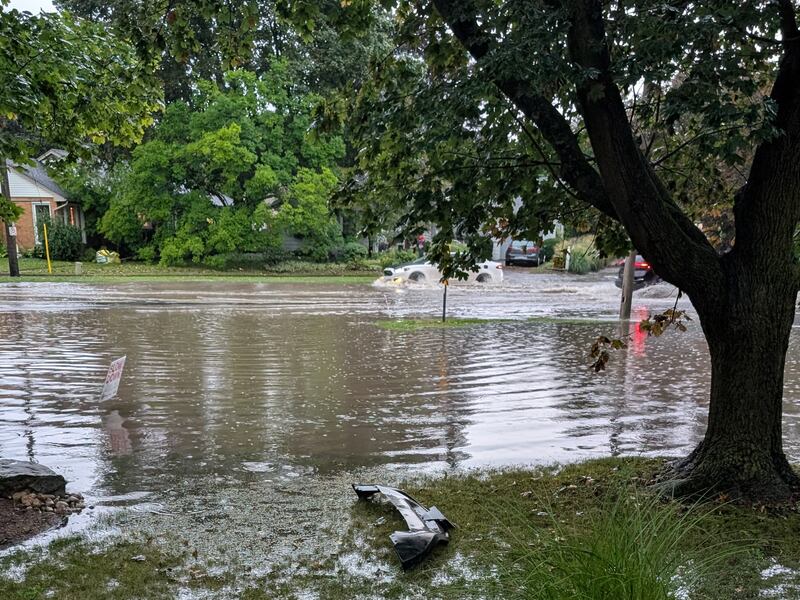
Vehicles drive through a flooded road in Toronto, Wednesday, Sept. 2, 2026. (Submitted)
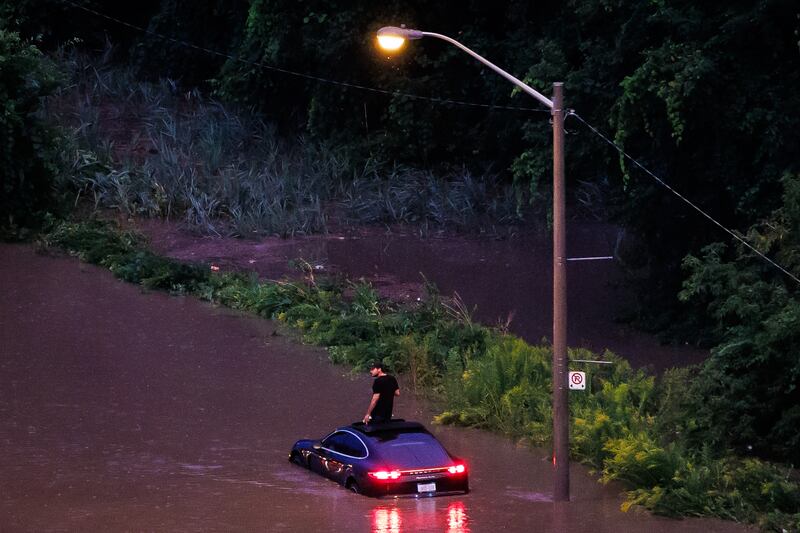
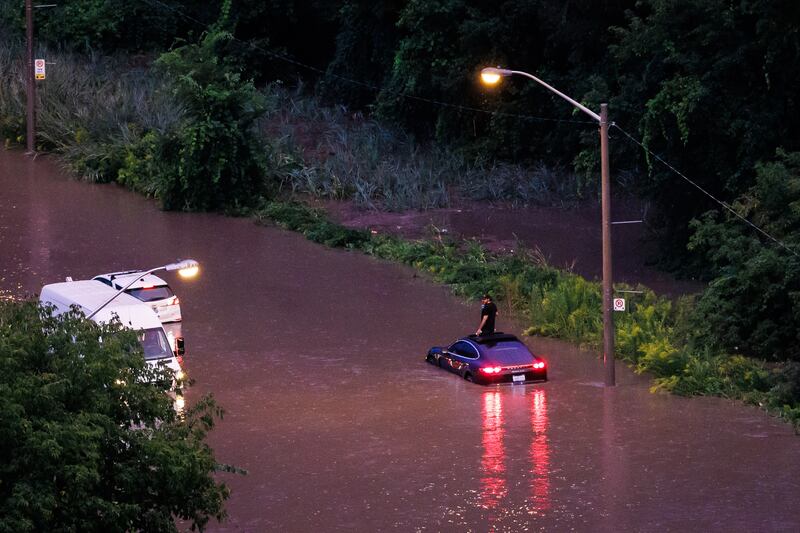
A motorist looks out their sunroof as their car sits stranded on the flooded Don Valley Parkway during a storm in Toronto on Wednesday, Sept. 2, 2026. THE CANADIAN PRESS/Keito Newman
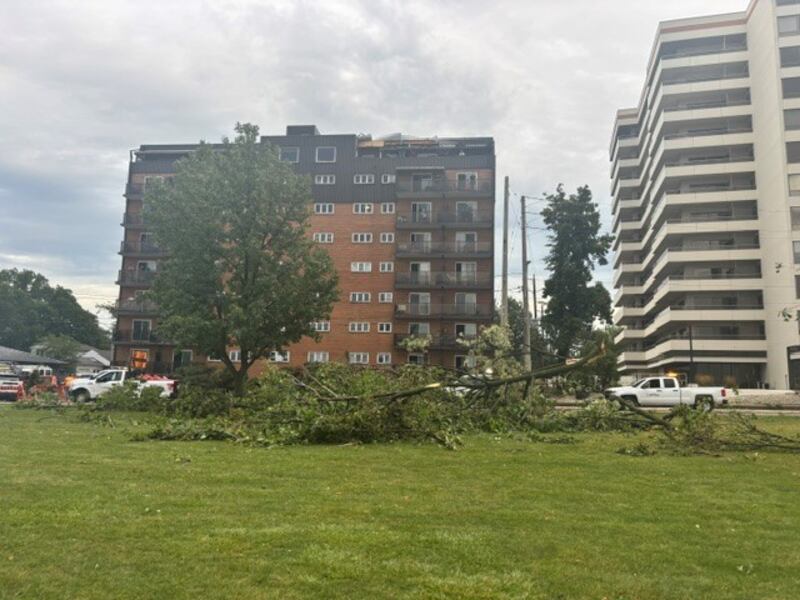
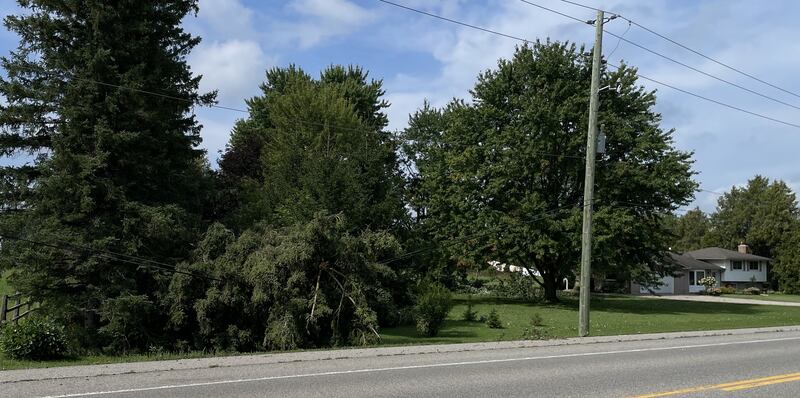
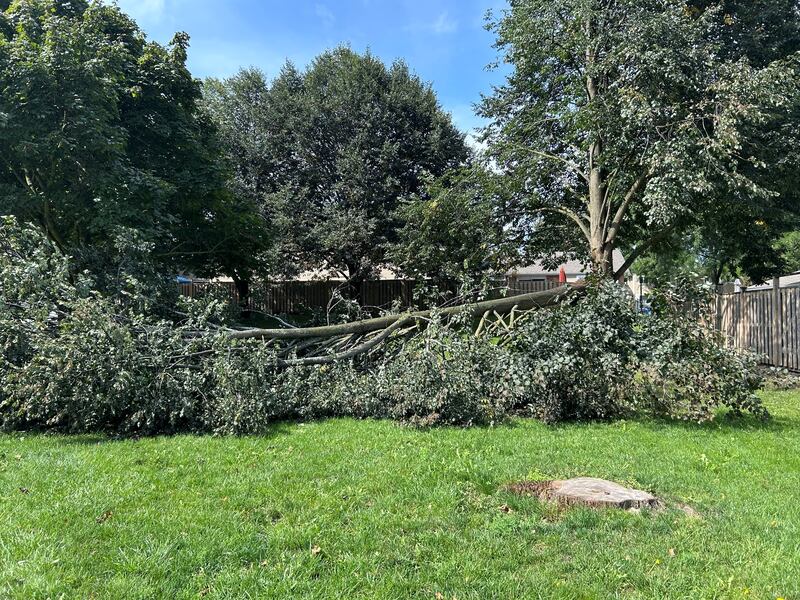
Downed trees after a major storm in Toronto, Thursday, Sept. 3, 2026. (CTV News)
Downed trees after a major storm in Toronto, Thursday, Sept. 3, 2026. (CTV News)
Downed trees after a major storm in Toronto, Thursday, Sept. 3, 2026. (CTV News)
A flooded Durham Regional Transit bus in Ajax, Ont., Wednesday, Sept. 2, 2026. (BebeMoko / TikTok)
The Don Valley Parkway closed after a storm caused widespread flooding in Toronto, Thursday, Sept. 3, 2026.
A submerged vehicle is seen on Don Valley Parkway after Don River overflowed following heavy rainfall and storm in Toronto on Sept. 2, 2026. (Mert Alper Dervis/Anadolu via Getty Images)
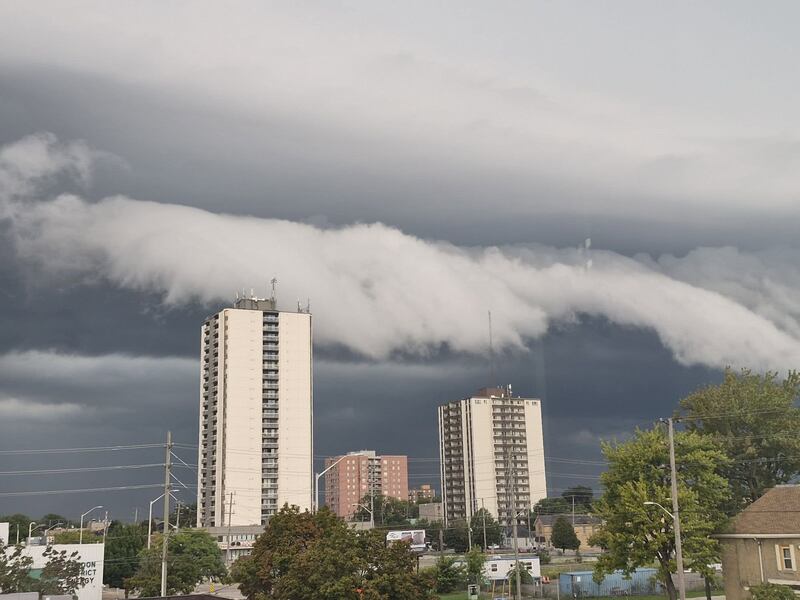
Storm clouds rolling over Liberty Village in Toronto, Wednesday, Sept. 2, 2026. (Dax Methot)
Ominous clouds amid a major storm in Toronto, Wednesday, Sept. 2, 2026. (Submitted)
Ominous clouds amid a major storm in Toronto, Wednesday, Sept. 2, 2026. (Submitted)
Giant ominous cloud captured east over the Don River in Toronto, Wednesday, Sept. 2, 2026. (Ms. Bennette)
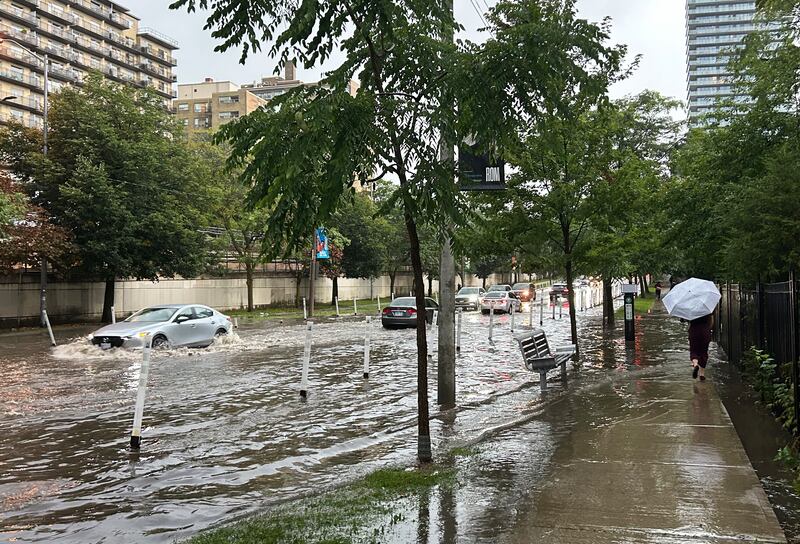
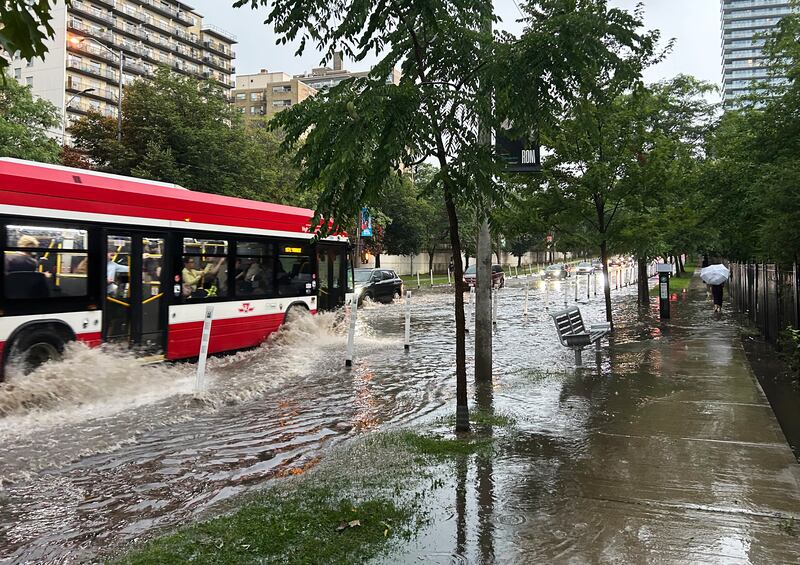
Vehicles drive through flood water along Yonge St. in midtown Toronto during a storm on Wednesday, Sept. 2, 2026. THE CANADIAN PRESS/John Chidley-Hill
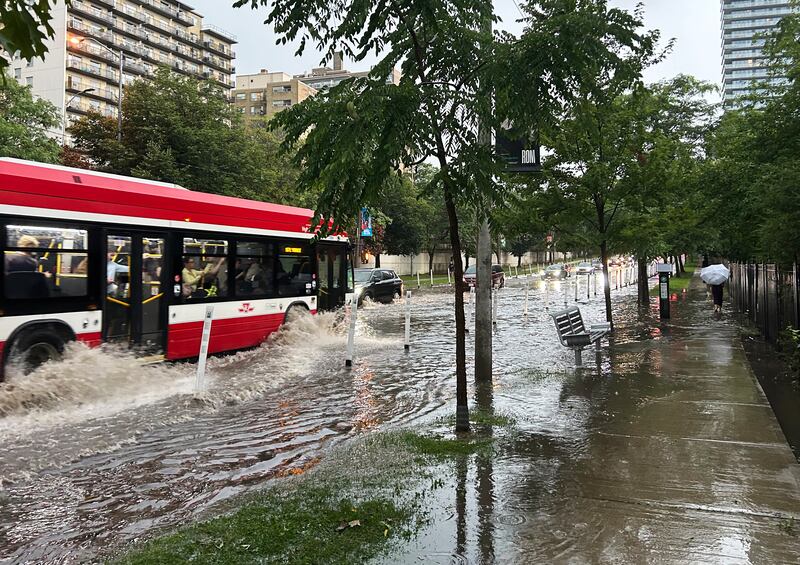
A transit bus and other vehicles drive through flood water along Yonge St. in midtown Toronto during a storm on Wednesday, Sept. 2, 2026. THE CANADIAN PRESS/John Chidley-Hill
View of the sunset after the storm, Wednesday, Sept. 2, 2026. (Hemant Kumar)
A motorist looks out their sunroof as their car sits stranded on the flooded Don Valley Parkway during a storm in Toronto on Wednesday, Sept. 2, 2026. THE CANADIAN PRESS/Keito Newman
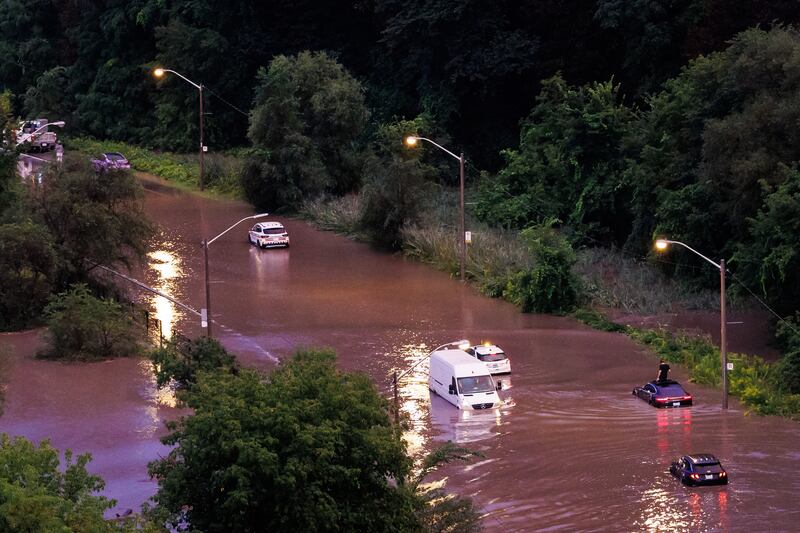
Cars sit stranded on the flooded Don Valley Parkway during a storm in Toronto on Wednesday, Sept. 2, 2026. THE CANADIAN PRESS/Keito Newman
A car is seen submerged under an overpass after floods from a storm in Toronto on Wednesday, Sept. 2, 2026. THE CANADIAN PRESS/Keito Newman
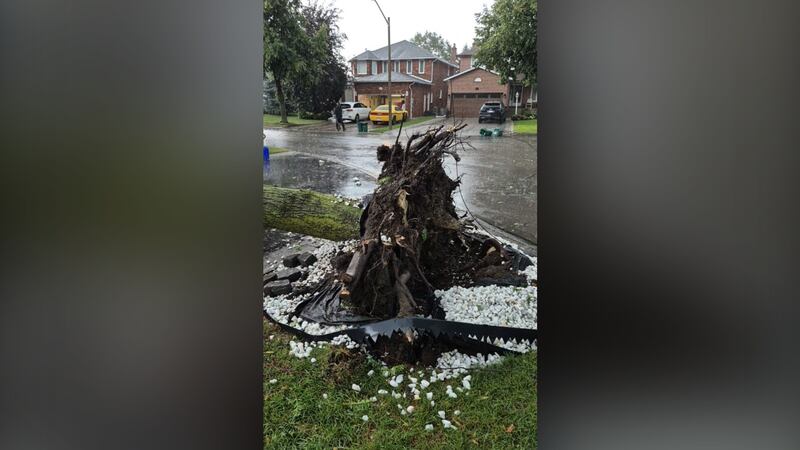
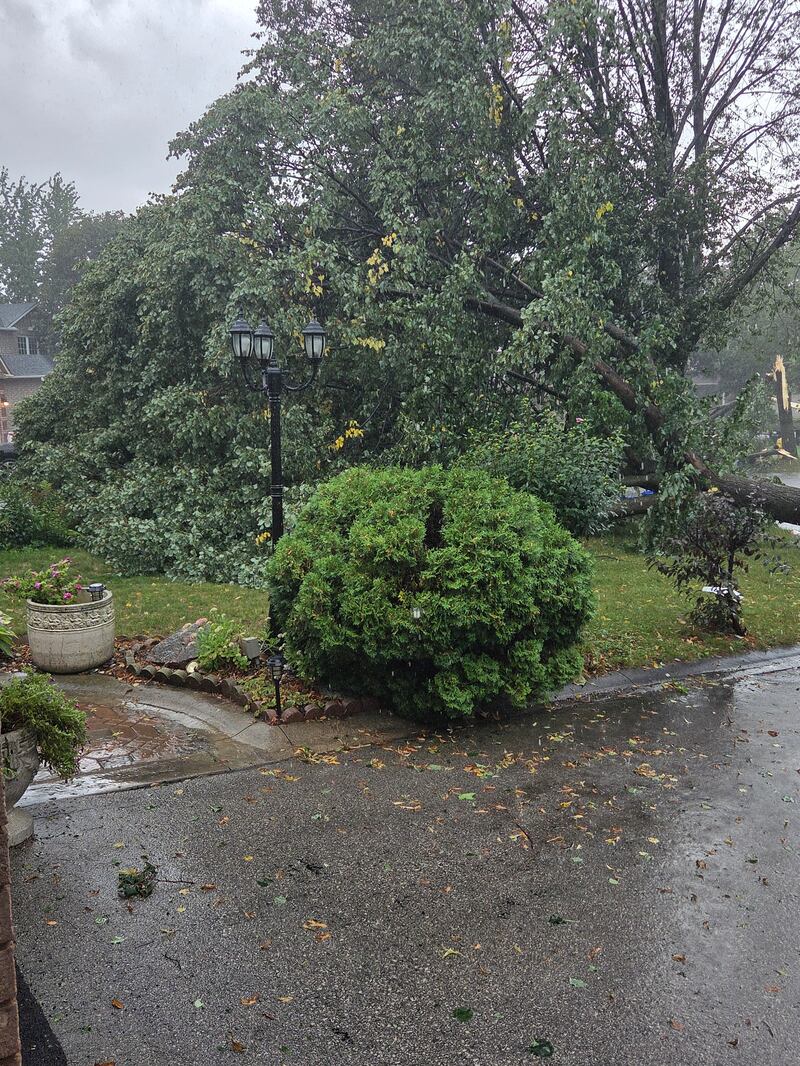
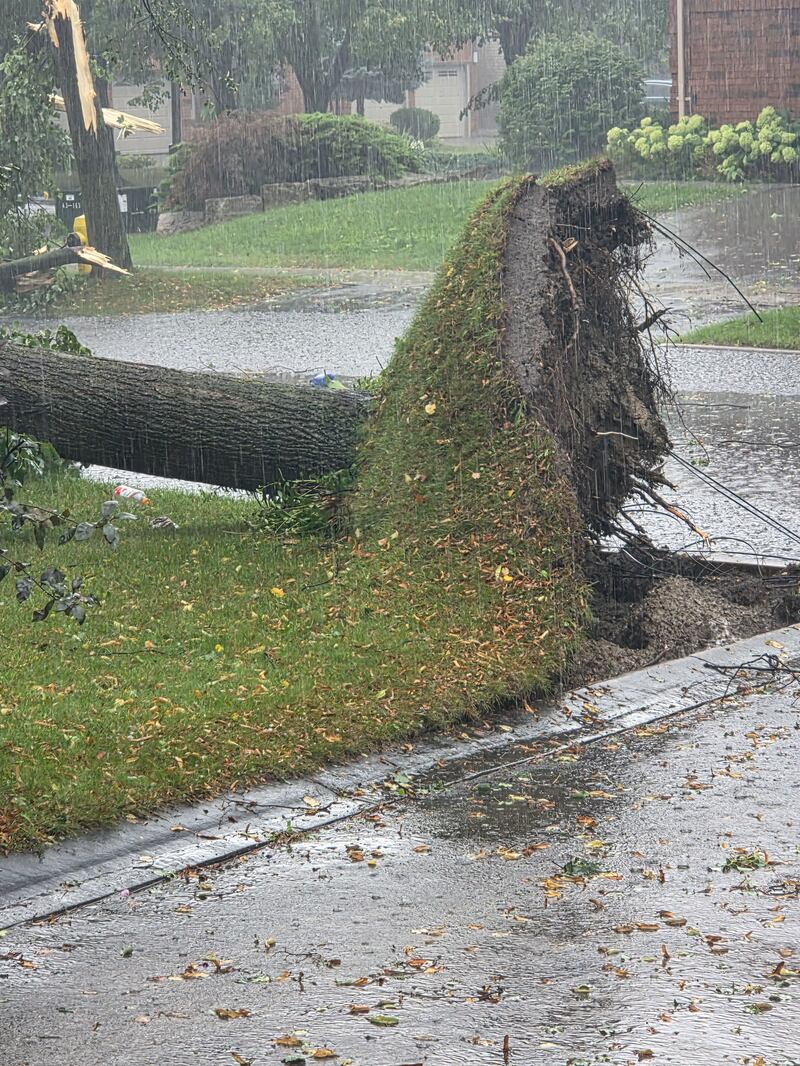
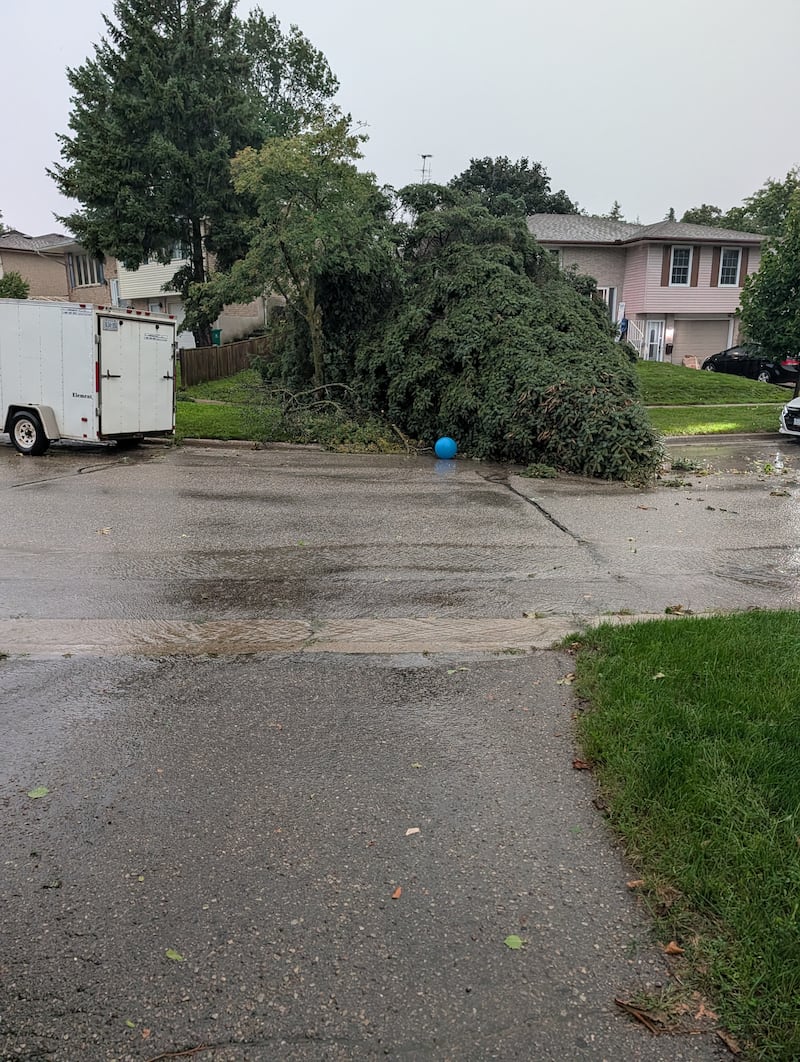
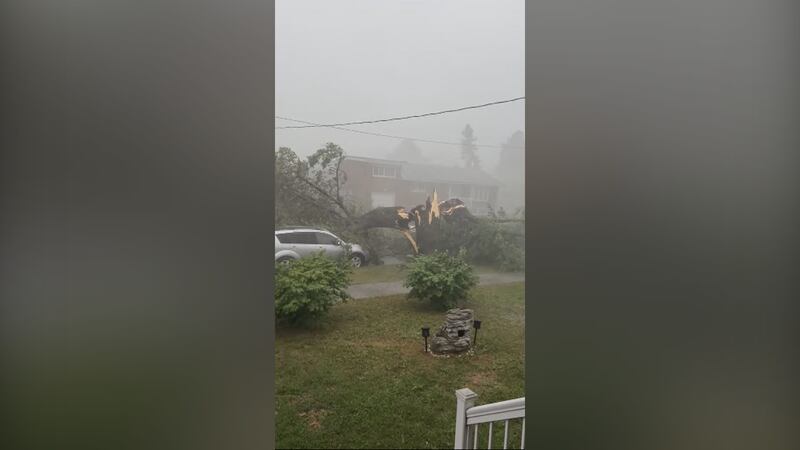
A tree is uprooted amid a major storm in Woodbridge, Ont., Wednesday, Sept. 2, 2026. (Adrian S)
A tree is uprooted amid a major storm in Woodbridge, Ont., Wednesday, Sept. 2, 2026. (Adrian S)
Mike Doyle clears a drain of debris after his street flooded up to his front step during a storm in Toronto, on Wednesday, Sept. 2, 2026. THE CANADIAN PRESS/Keito Newman
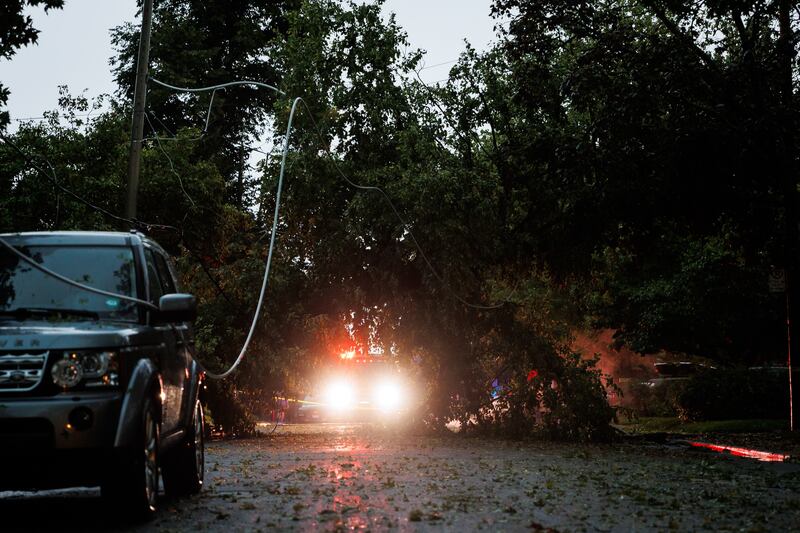
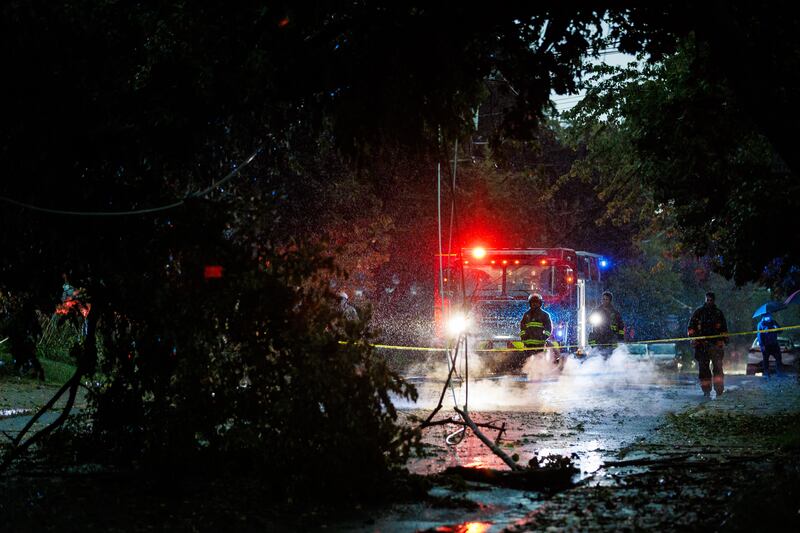
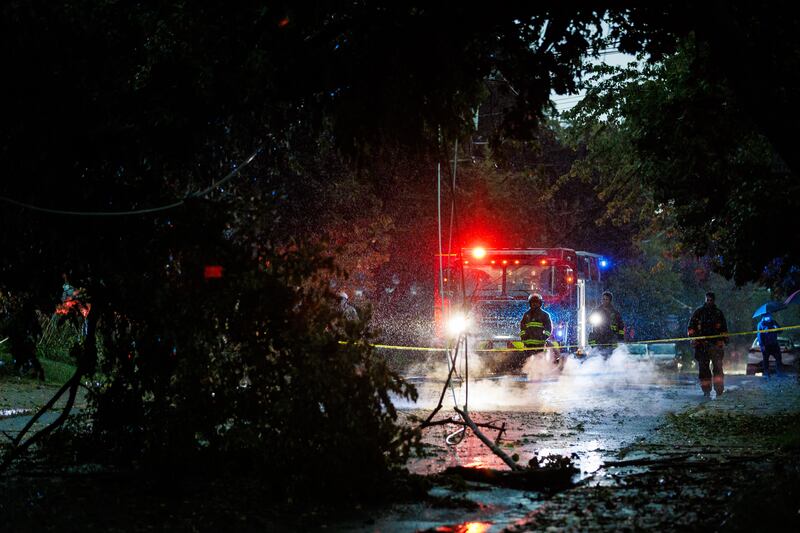
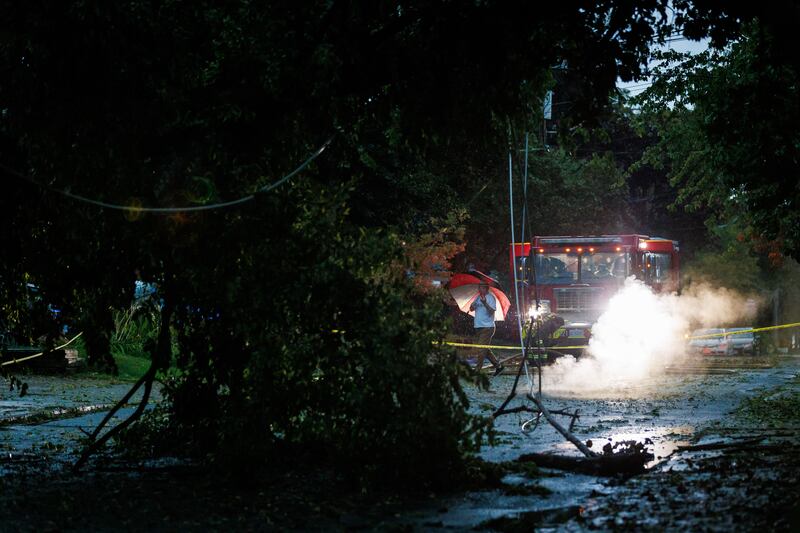
Toronto Fire Services work the scene where a tree downed a power line, starting a fire during a storm in Toronto, on Wednesday, Sept. 2, 2026. THE CANADIAN PRESS/Keito Newman
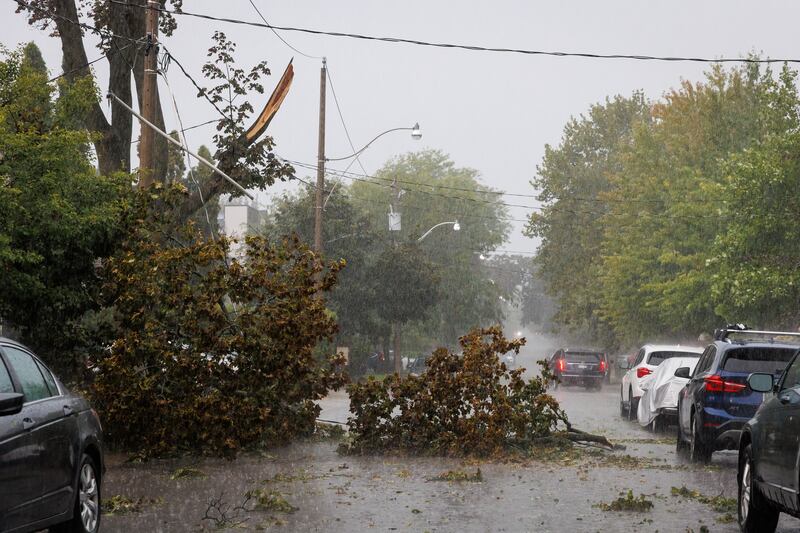
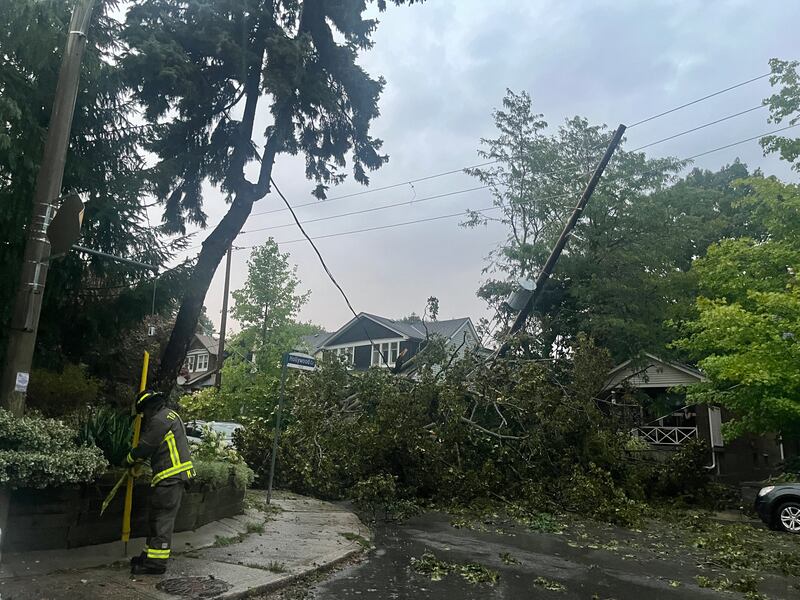
A downed tree and power line is seen in Toronto during a storm on Wednesday, Sept. 2, 2026. THE CANADIAN PRESS/Keito Newman
People prepare to tow a car out from a flooded underpass during a storm in Toronto on Wednesday, Sept. 2, 2026. THE CANADIAN PRESS/Keito Newman
People look at cars stranded in flood waters under an overpass during a storm in Toronto on Wednesday, Sept. 2, 2026. THE CANADIAN PRESS/Keito Newman
A downed tree and power line is seen in Toronto during a storm on Wednesday, Sept. 2, 2026. THE CANADIAN PRESS/Keito Newman
Cars sit stranded on the flooded Don Valley Parkway during a storm in Toronto on Wednesday, Sept. 2, 2026. THE CANADIAN PRESS/Keito Newman
Toronto Fire Services work the scene where a tree downed a power line, starting a fire during a storm in Toronto, on Wednesday, Sept. 2, 2026. THE CANADIAN PRESS/Keito Newman
Vehicles drive through flood water along Yonge St. in midtown Toronto during a storm on Wednesday, Sept. 2, 2026. THE CANADIAN PRESS/John Chidley-Hill
A transit bus drives through flood water along Yonge St. in midtown Toronto during a storm on Wednesday, Sept. 2, 2026. THE CANADIAN PRESS/John Chidley-Hill
A downed tree and power line is seen in Toronto during a storm on Wednesday, Sept. 2, 2026. THE CANADIAN PRESS/Keito Newman
Toronto Fire Services work the scene where a tree downed a power line, starting a fire during a storm in Toronto, on Wednesday, Sept. 2, 2026. THE CANADIAN PRESS/Keito Newman
Flooding at Jane. St. and Highway 7, Wednesday, Sept. 2, 2026. (Priya Devani)
A large tree was uprooted in the area of Woodbine Avenue and Gerrard Street East following a thunderstorm on Wednesday, Sept. 2, 2026. (Kenneth Enlow)
A large that knocked over results in several downed power lines the area of Woodbine Avenue and Gerrard Street East following a thunderstorm on Wednesday, Sept. 2, 2026.(Kenneth Enlow.)
Toronto Fire Services work the scene where a tree downed a power line, starting a fire during a storm in Toronto, on Wednesday, Sept. 2, 2026. THE CANADIAN PRESS/Keito Newman
A transit bus drives through flood water along Yonge St. in midtown Toronto during a storm on Wednesday, Sept. 2, 2026. THE CANADIAN PRESS/John Chidley-Hill
Environment Canada forecasts up to ping pong-sized hail and 50 millimetres of rain in Toronto on Wednesday. Here's what the storm looked like when a red alert swept Toronto. (Mary Nersessian/Michael Campoli)
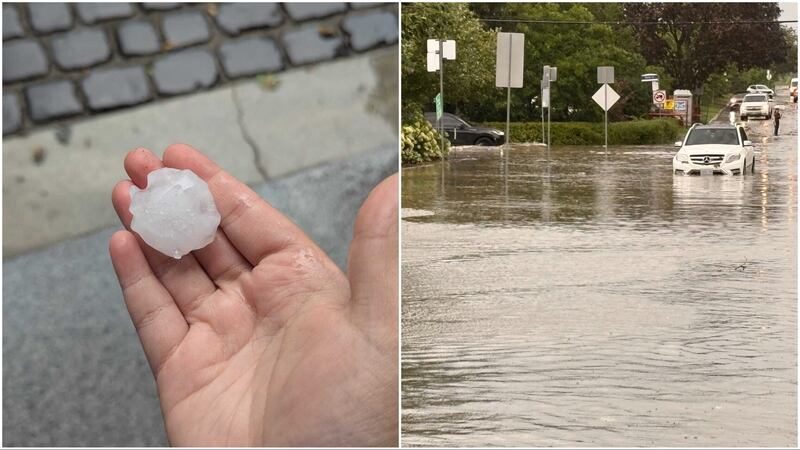
Hail from a severe storm in Toronto and surrounding area, Wednesday, Sept. 2, 2026. (Sharlene Browne)
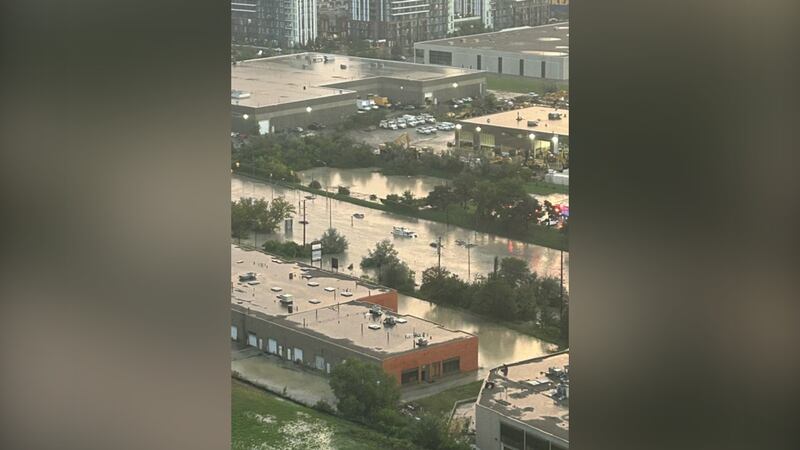
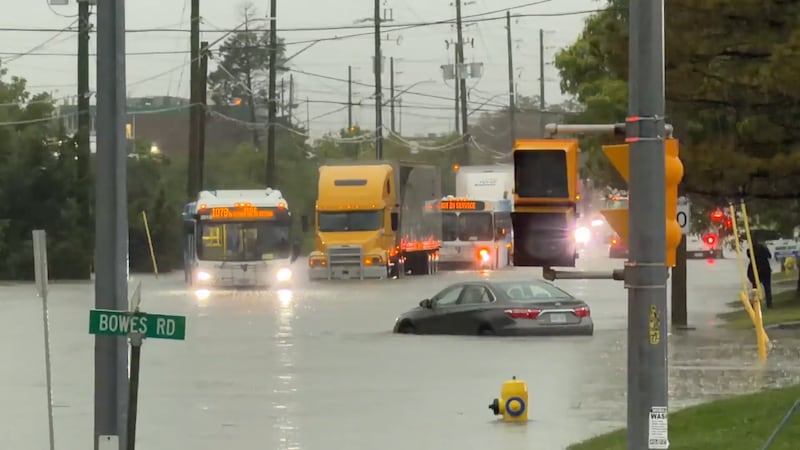
An industrial neighbourhood in Vaughan turned into a river as heavy rains flooded the roads, submerging cars, trucks, and transit buses.
Hail about the size of a ping-pong ball has been spotted throughout the Greater Toronto Area on Wednesday, Sept. 2, 2026. (Mary Nersessian/Michael Campoli)
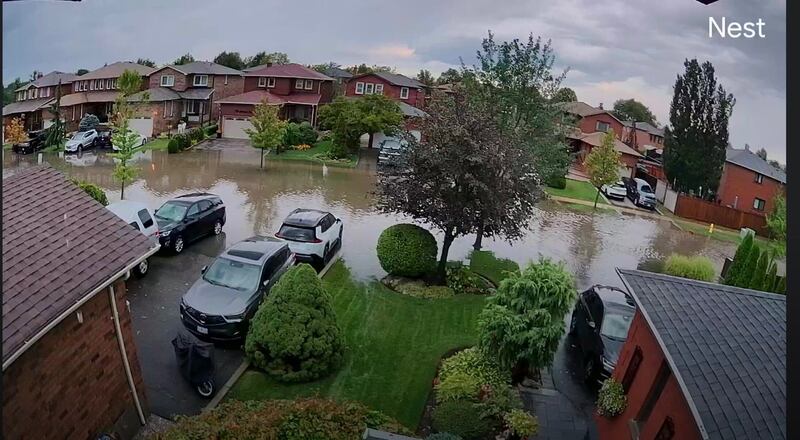
Major flooding covers a residential street in Woodbridge Ontario, seen from a Nest home camera, Wednesday, Sept. 2, 2026. (Michael Campoli)
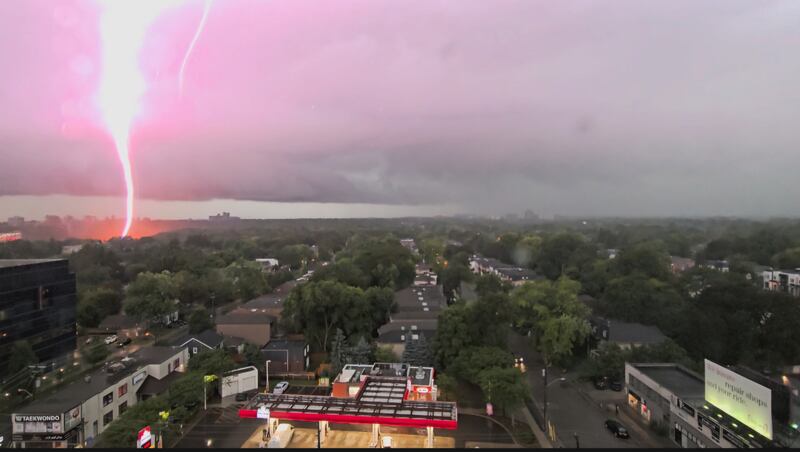
Lightning strikes as the thunderstorm rolls on from Yonge and Sheppard, Wednesday, Sept. 2, 2026. (James L.)
The roads in Lawrence and Dufferin can be seen flooded with water on Wednesday, Sept. 2, 2026. (Michael Campoli)
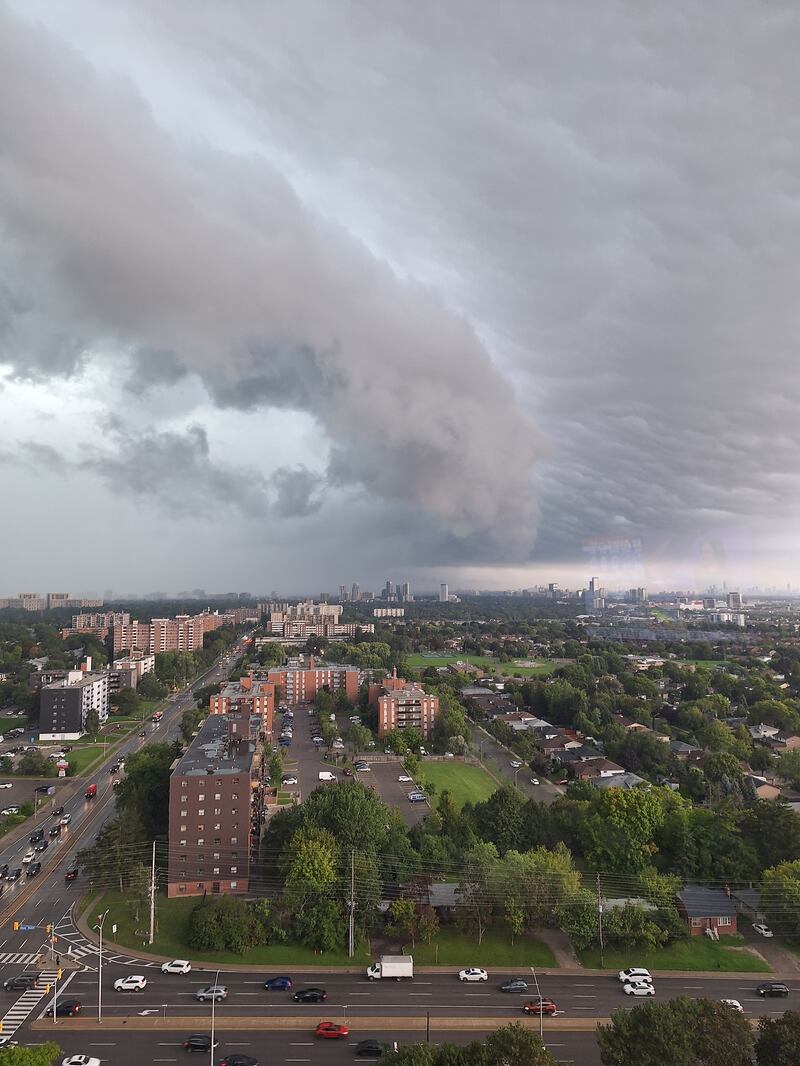
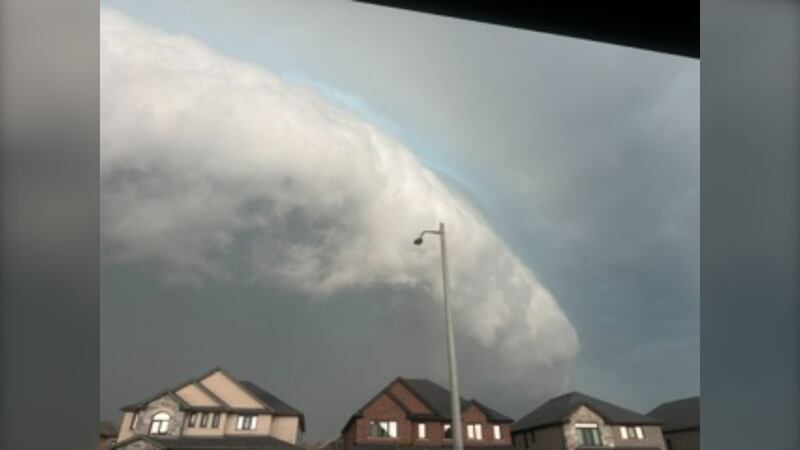
Thick, dark clouds can be seen sweeping throughout the city on Wednesday, Sept. 2, 2026. (Kelly & Ken Hayashi)
Thick, dark clouds can be seen sweeping throughout the city. (Kelly & Ken Hayashi)
Vehicles appear stuck in the Lower Simcoe Street underpass near Bay and Lower Simcoe Streets on the evening of Sept. 2, 2026.
Police can be seen here escorting drivers who's vehicles were submerged in Toronto's west end, Wednesday, Sept. 2, 2026.
Drivers and passengers can be seen getting our of their vehicles in knee-high water in the Lower Simcoe Street underpass on Wednesday, Sept. 2, 2026.
Damage from hail, Wednesday, Sept. 2, 2026. (Don Semple)
Damage from hail, Wednesday, Sept. 2, 2026. (Don Semple)
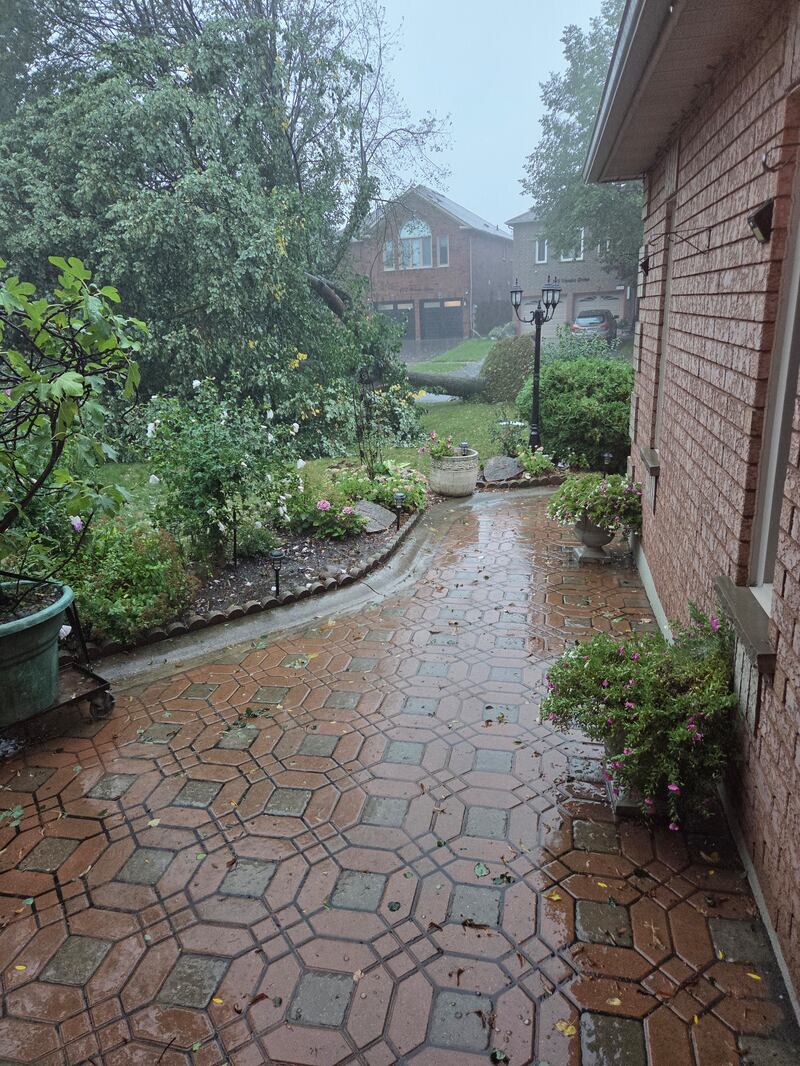
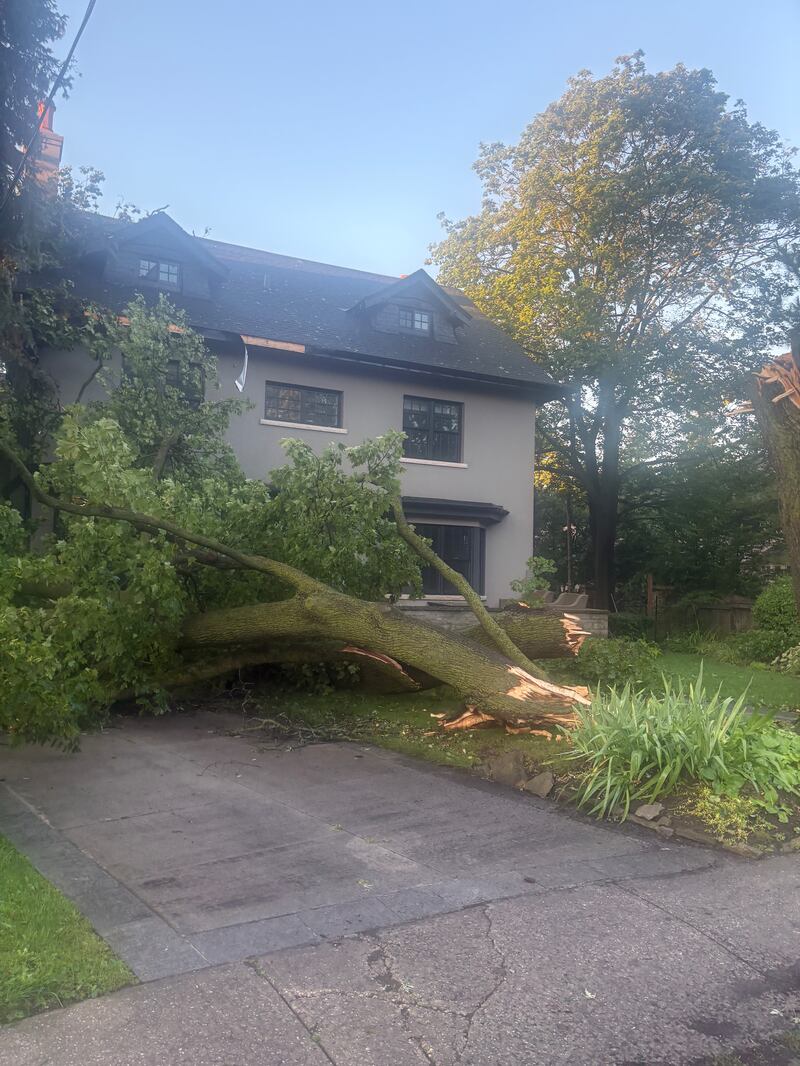
Downed tree on Seeley Dr. in North York, Toronto, Wednesday, Sept. 2, 2026. (Tori Millington)
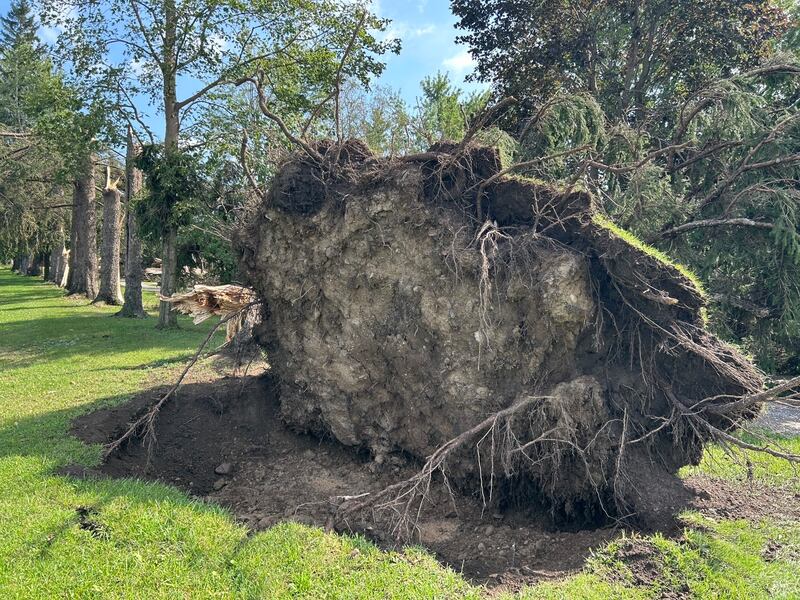
A tree is seen uprooted here in Vaughan on Wednesday, Sept. 2, 2026. (Tony Tersigni)
A tree is seen uprooted here in Vaughan on Wednesday, Sept. 2, 2026. (Tony Tersigni)
A tree is seen uprooted here in Vaughan on Wednesday, Sept. 2, 2026. (Tony Tersigni)
'This was my father in laws front yard massive tree torn up straight from the root.' in Ontario. (Eduardo /CP24.com)
A tree is seen uprooted here in Vaughan on Wednesday, Sept. 2, 2026. (Tony Tersigni)
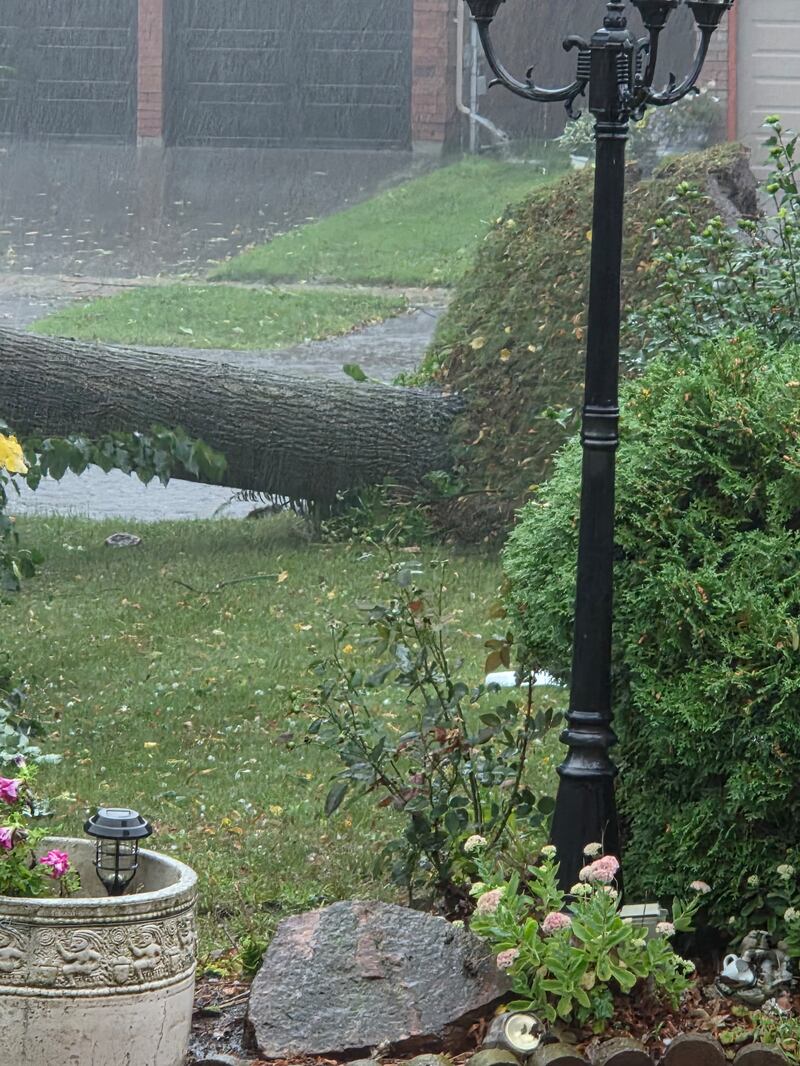
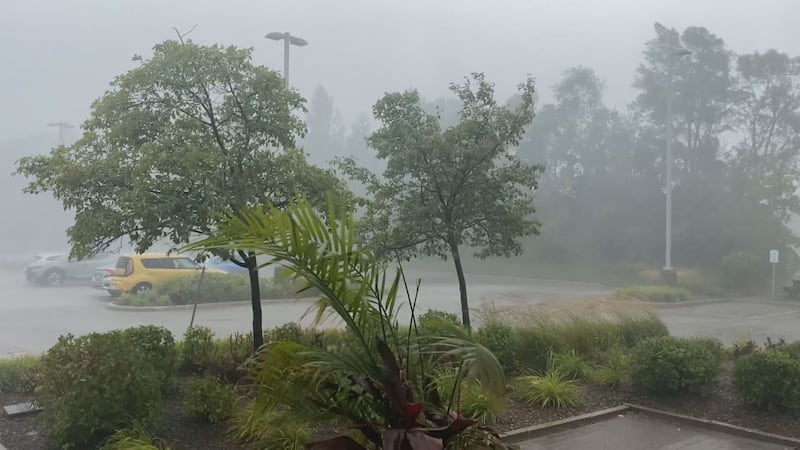
Heavy rain is seen pelting down through the trees in Toronto on Wednesday, Sept. 2, 2026. (Sachi Kittur)
A flooded street in Sharon, Ont., Wednesday, Sept. 2, 2026. (John)
Storm scenes near Pine Valley Dr., Wednesday, Sept. 2, 2026. (Casey A.)
Storm rolls in over Etobicoke, Wednesday, Sept. 2, 2026. (Daniel Magee)
Storm rolls in over Etobicoke, Wednesday, Sept. 2, 2026. (Daniel Magee)
Storm rolls in over Etobicoke, Wednesday, Sept. 2, 2026. (Daniel Magee)
Storm rolls in over Etobicoke, Wednesday, Sept. 2, 2026. (Daniel Magee)
Vehicles drive through a flooded road on Wilson Ave. in Toronto, Wednesday, Sept. 2, 2026. (Renee Ribeiro)
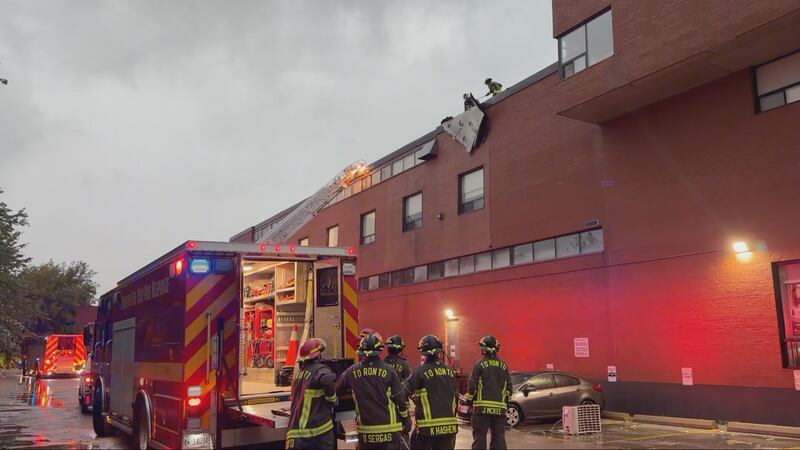
Toronto Fire crews are on the scene of a roof collapse on Lawrence Ave. West, near Caledonia Rd., Wednesday, Sept. 2, 2026. (CTV News)
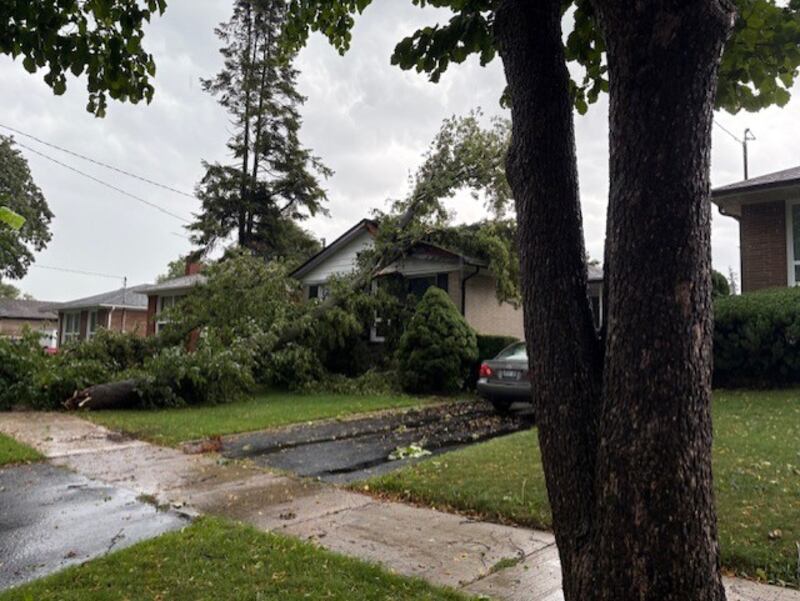
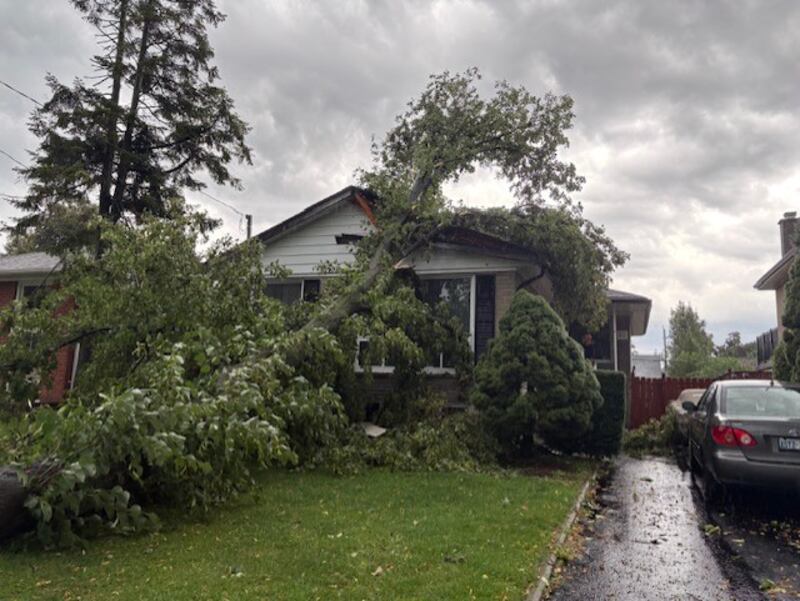
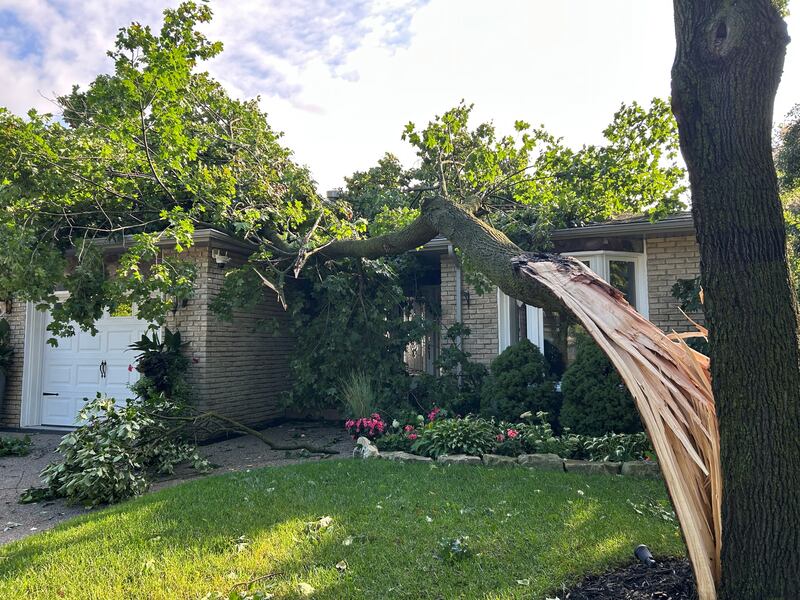
A tree appears to be downed on the roof of a home in Ludgate Drive and Watercliff Road in Etobicoke on Wednesday, Sept. 2, 2026. (Deborah Jacobs)
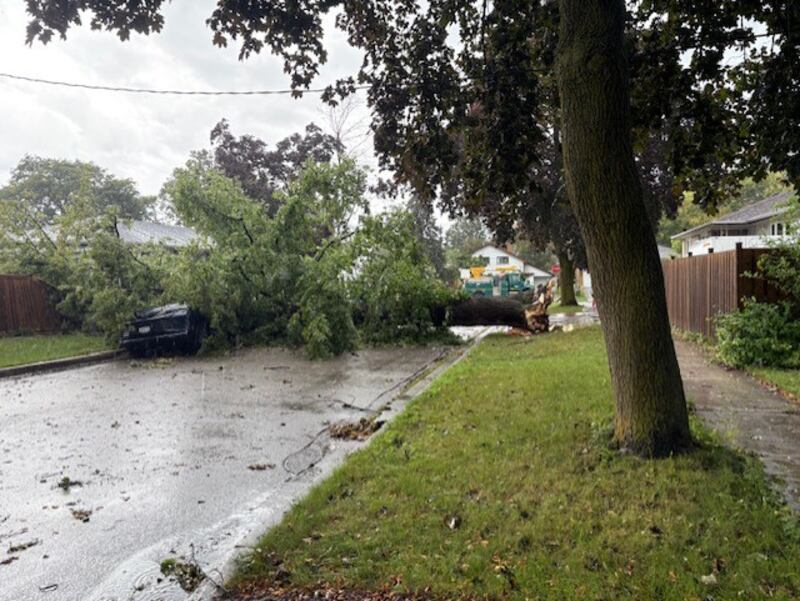
A large tree fell onto the road near Ludgate Drive and Watercliff Road on Wednesday, Sept. 2, 2026. (Deborah Jacobs)
A tree appears to be downed on the roof of a home in Ludgate Drive and Watercliff Road in Etobicoke on Wednesday, Sept. 2, 2026. (Deborah Jacobs)
Down trees in Lawrence park, Toronto, Wednesday, Sept. 2, 2026. (Lynda Ryan)
Down trees in Lawrence park, Toronto, Wednesday, Sept. 2, 2026. (Lynda Ryan)
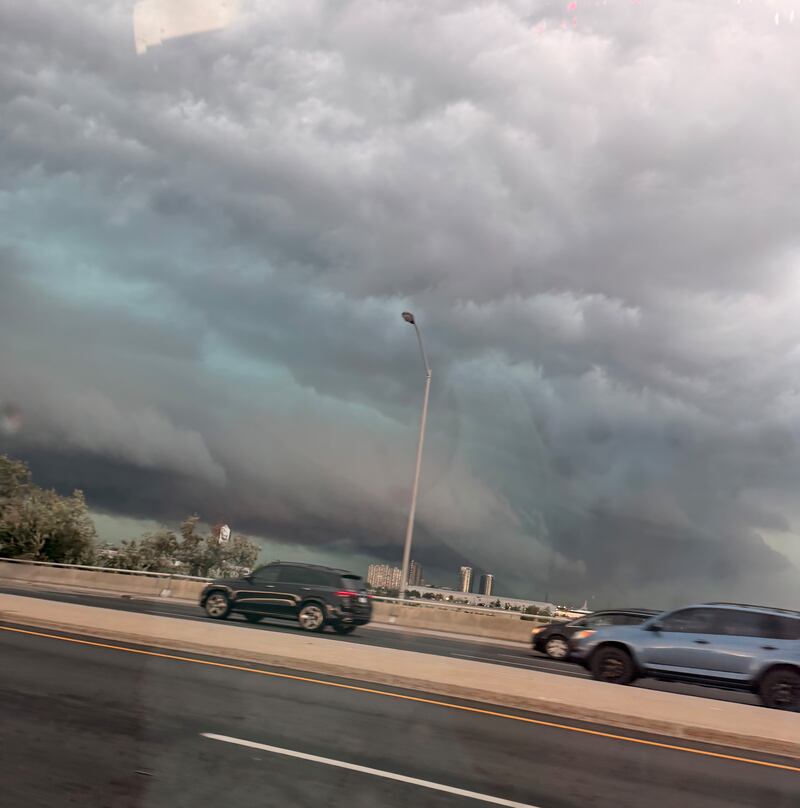
Storm clouds captured while driving near Highway 400 and Sheppard Ave. in Toronto, Wednesday, Sept. 2, 2026. (Tori Millington)
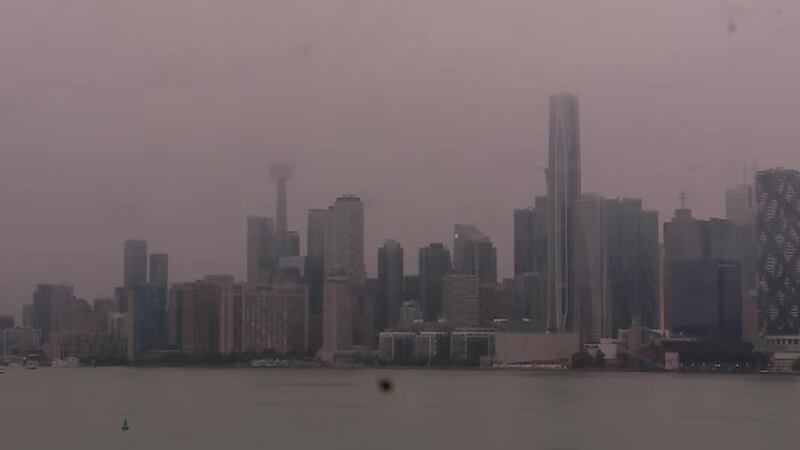
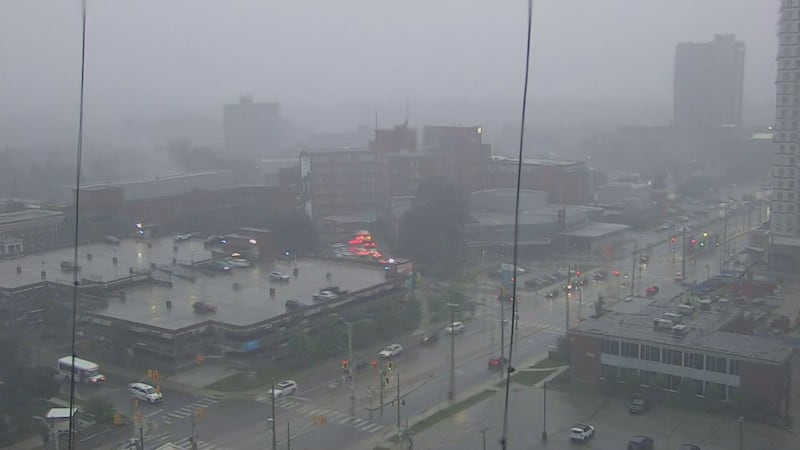
High winds whip trees around and block out Toronto skyline during major thunderstorm, Sept. 2, 2026.
View of downtown Toronto skyline as storm rolls through the city, Wednesday, Sept. 2, 2026.
After the storm from Bass Pro at Vaughan Mills, Wednesday, Sept. 2, 2026. (Diana)
Wednesday, Sept. 2, 2026.
View of the downtown Toronto skyline as a storm rolls through the city, Wednesday, Sept. 2, 2026.
Storm scenes near Pine Valley Dr., Wednesday, Sept. 2, 2026. (Casey A.)
Storm scenes near Pine Valley Dr., Wednesday, Sept. 2, 2026. (Casey A.)
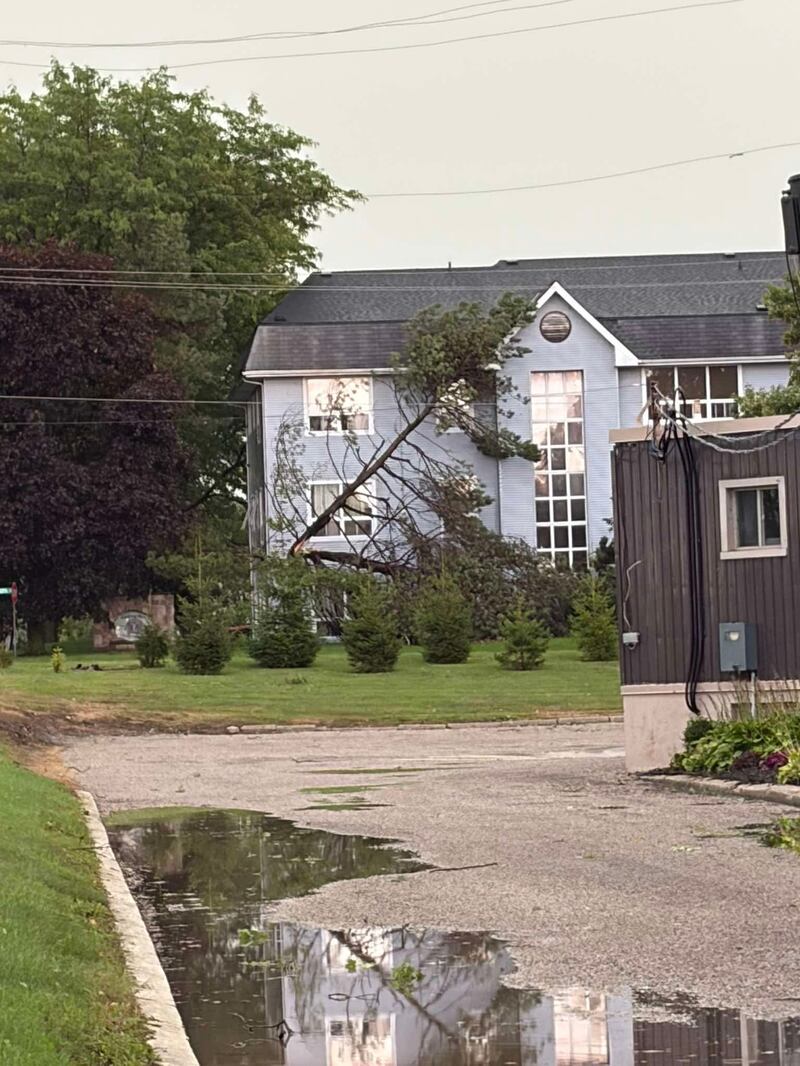
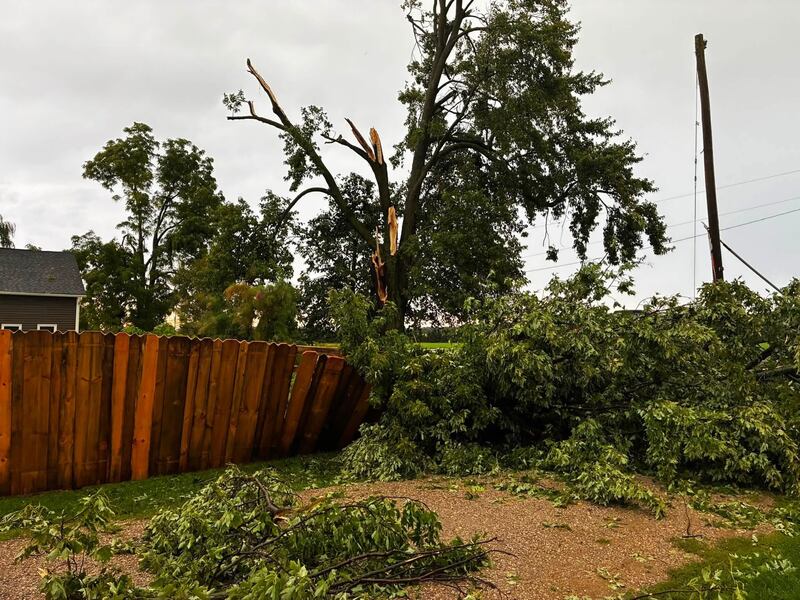
Storm damage in London, Ont., Wednesday, Sept. 2, 2026.
Storm damage in London, Ont., Wednesday, Sept. 2, 2026.
Storm damage in London, Ont., Wednesday, Sept. 2, 2026.
Storm damage in London, Ont., Wednesday, Sept. 2, 2026.
Storm damage in London, Ont., Wednesday, Sept. 2, 2026.
Storm damage in London, Ont., Wednesday, Sept. 2, 2026.
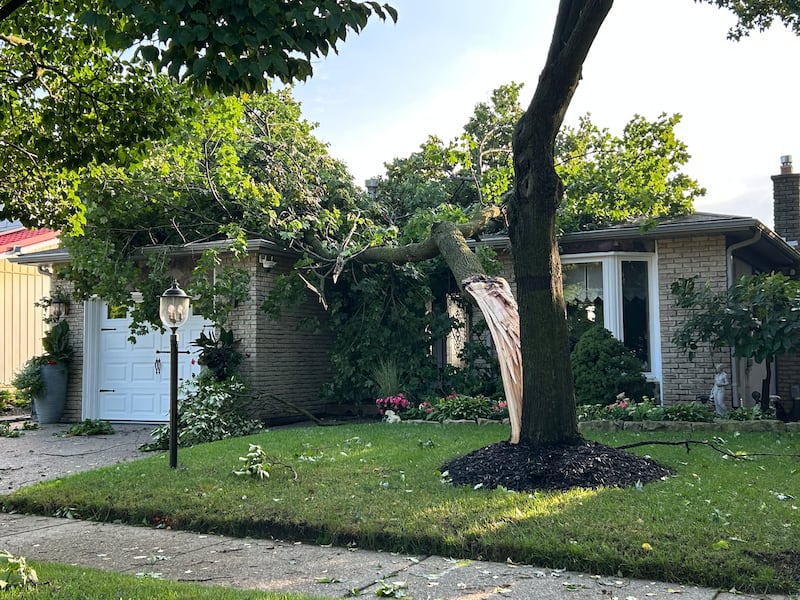
A downed tree was photographed along Spring Hill Place in Kitchener, Ont. after a powerful storm on Sept. 2, 2026. (Dave Leitch)
Strong wind gusts in Kitchener's Deer Ridge neighbourhood on Sept. 2, 2026. (Alan Fraser/CTV News)
The Kitchener skyline was photographed on Sept. 2, 2026 as a red tornado warning swept through parts of southern Ontario. (CTV News Kitchener)
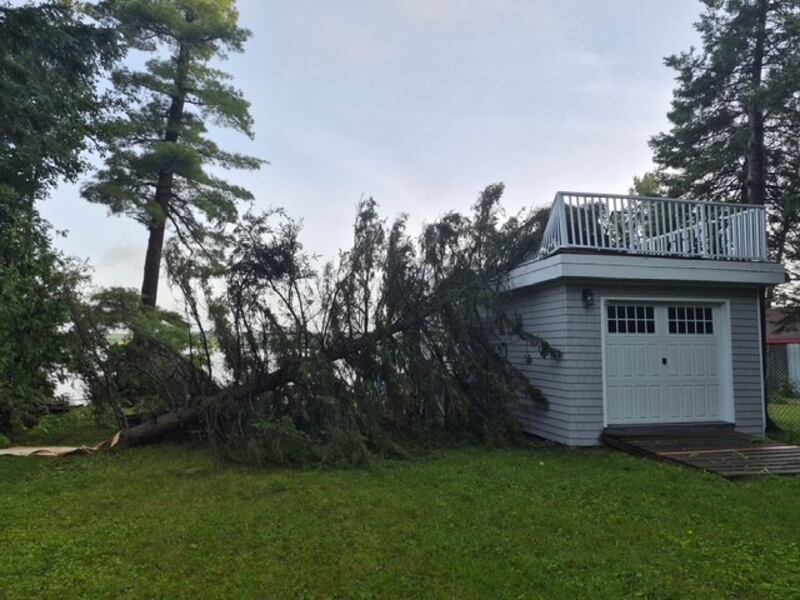
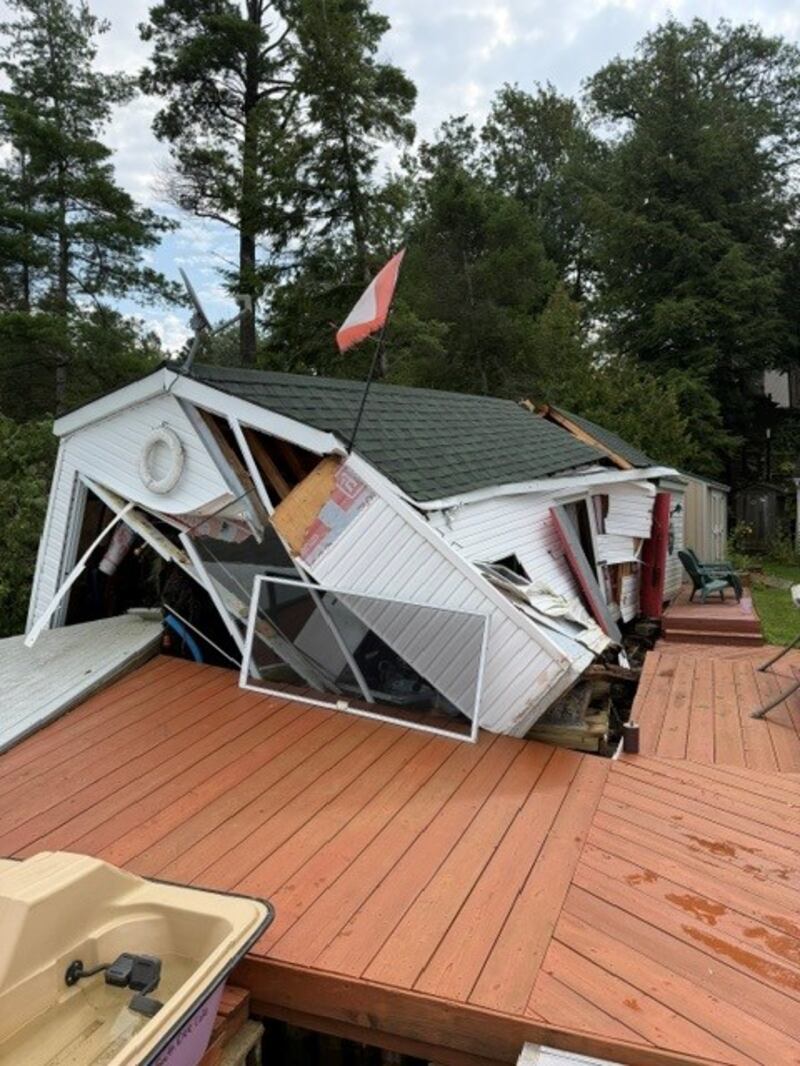
Extensive property damage is seen following Tuesday's storm on Orr Lake, Ont, Sept. 2, 2026. (Jennifer Hunter)
Extensive property damage is seen following Tuesday's storm on Orr Lake, Ont., Sept. 2, 2026. (Jennifer Hunter)
Extensive property damage is seen following Tuesday's storm on Orr Lake, Ont., Sept. 2, 2026. (Jennifer Hunter)
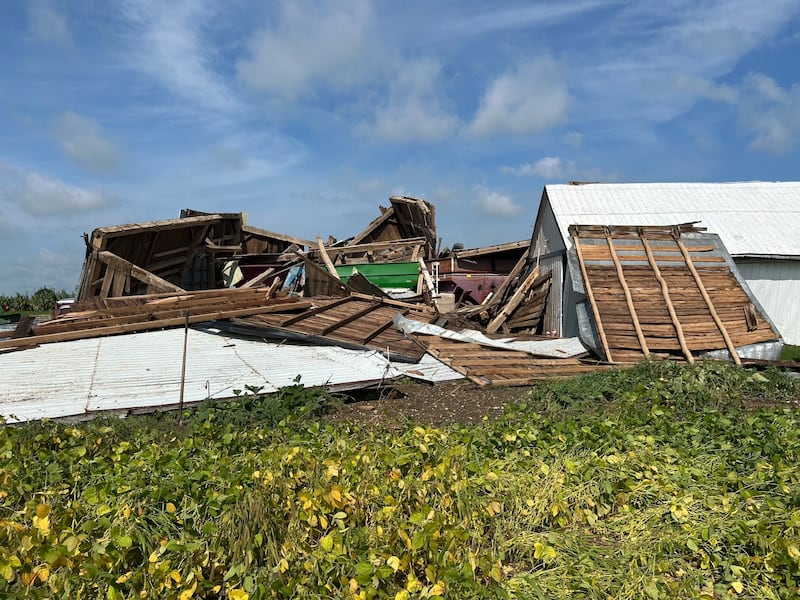
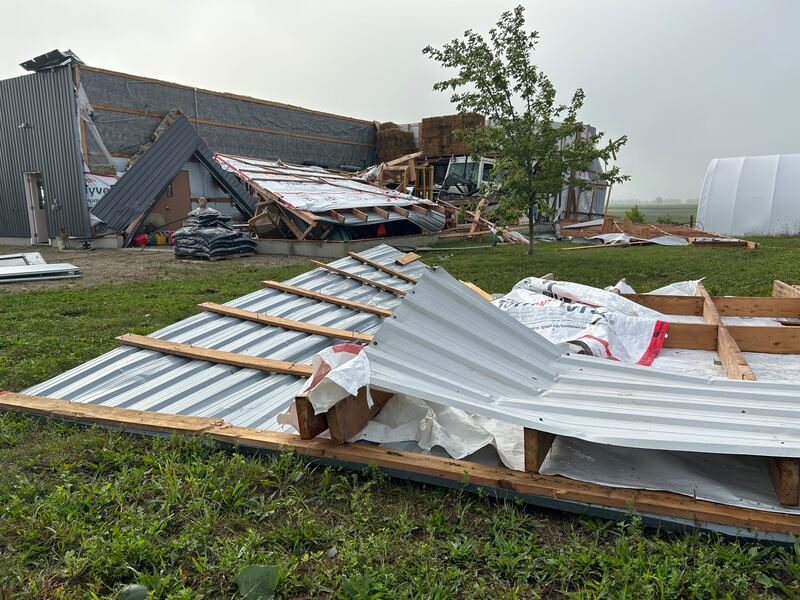
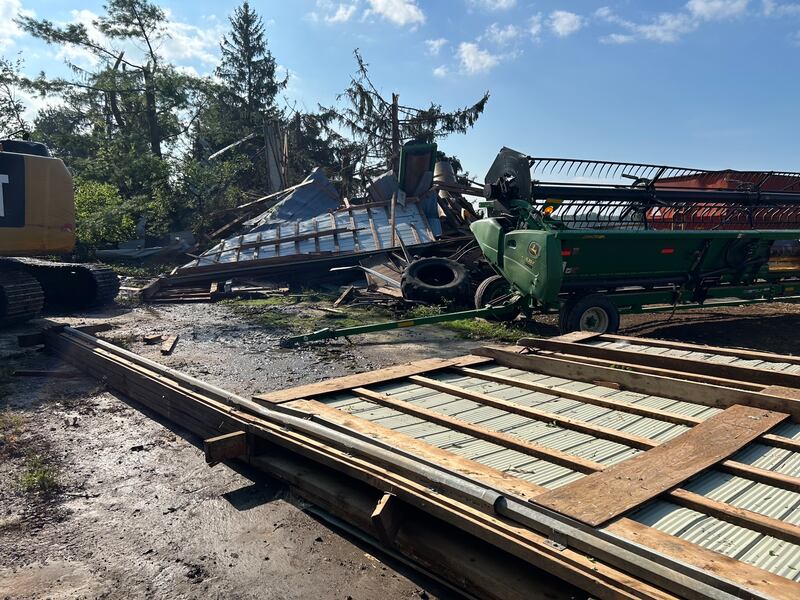
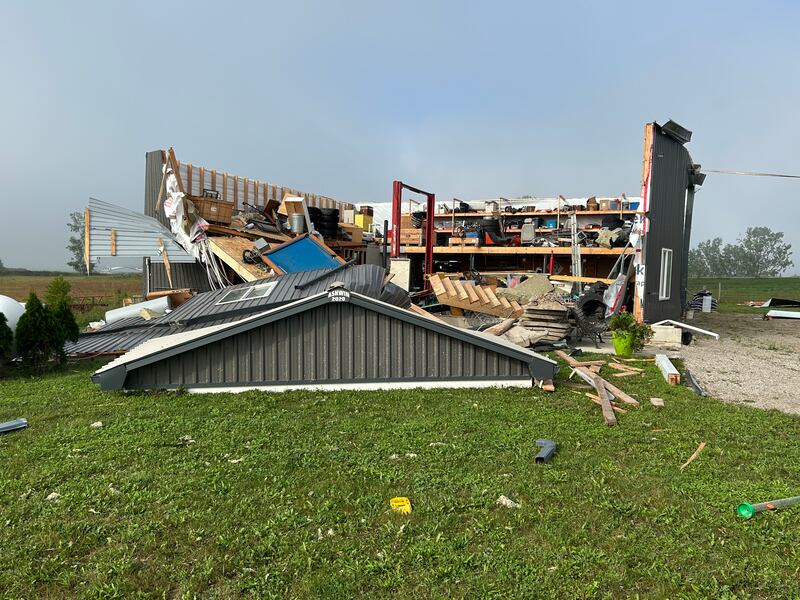
Storm damage seen near Winthrop, Ont. Sept. 3, 2026. (Scott Miller/CTV News London)
Storm damage seen near Winthrop, Ont. Sept. 3, 2026. (Scott Miller/CTV News London)
Storm damage seen near Winthrop, Ont. Sept. 3, 2026. (Scott Miller/CTV News London)
Storm damage seen near Winthrop, Ont. Sept. 3, 2026. (Scott Miller/CTV News London)
Storm damage seen near Winthrop, Ont. Sept. 3, 2026. (Scott Miller/CTV News London)
A downed tree on Hale Street next to the Stoney Point Sportsmen's Club in Stoney Point, Ont., Sept. 3, 2026. (Sanjay Maru/CTV News Windsor)
Storm damage seen near Winthrop, Ont. Sept. 3, 2026. (Scott Miller/CTV News London)
Storm damage seen near Winthrop, Ont. Sept. 3, 2026. (Scott Miller/CTV News London)
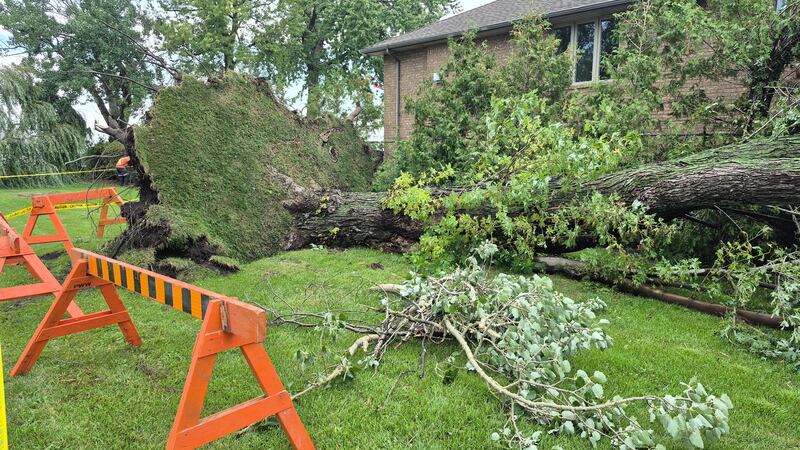
A tree split in two on Charnwood Court in Kitchener during a storm on Sept. 3, 2026. (Rowen Fisler/CTV News)
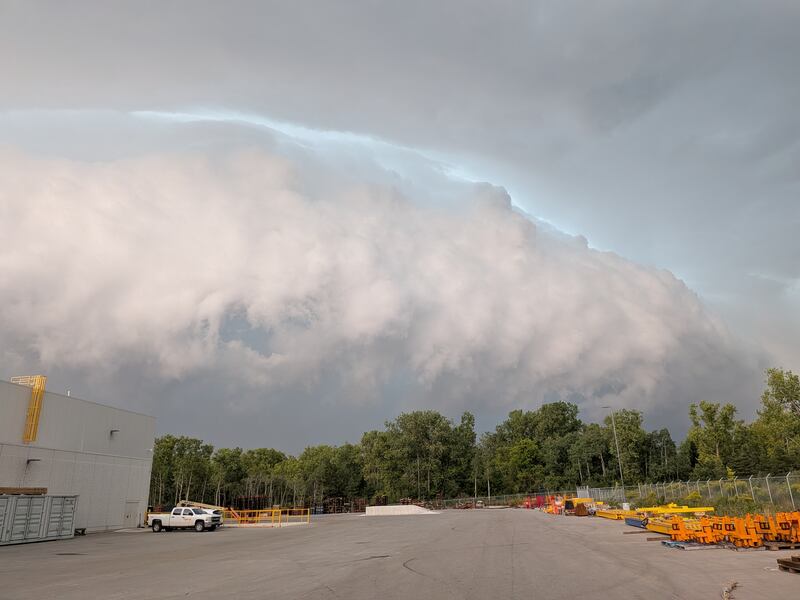
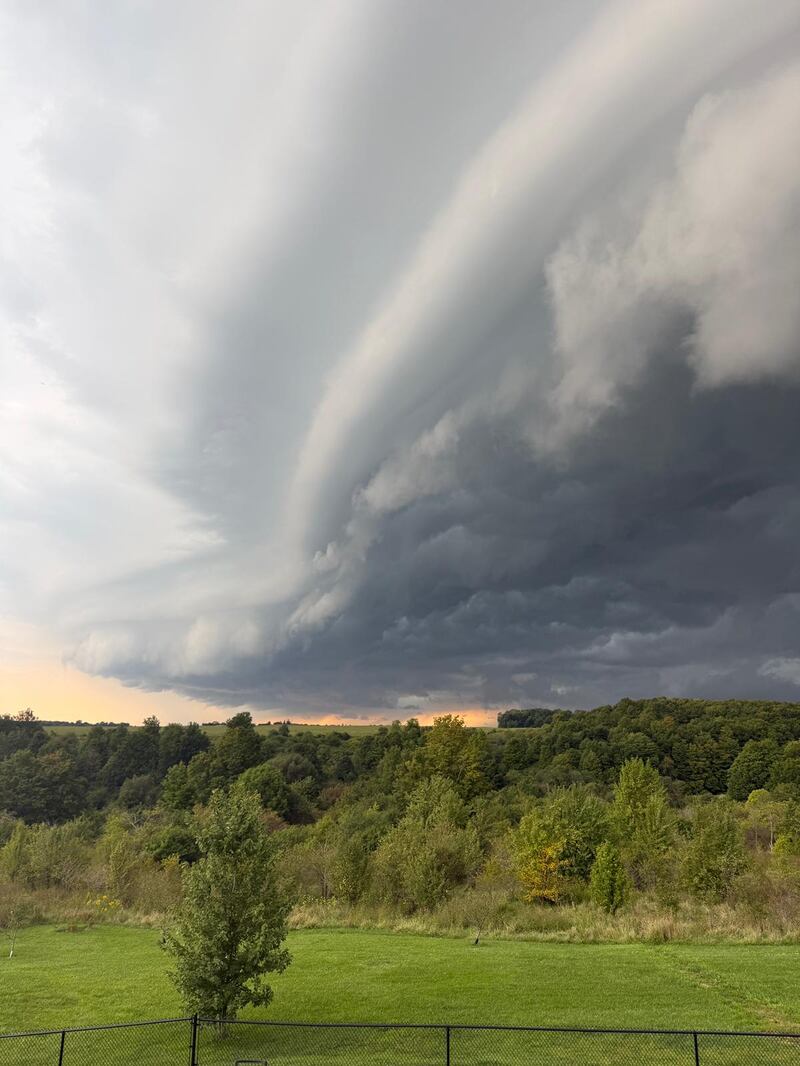
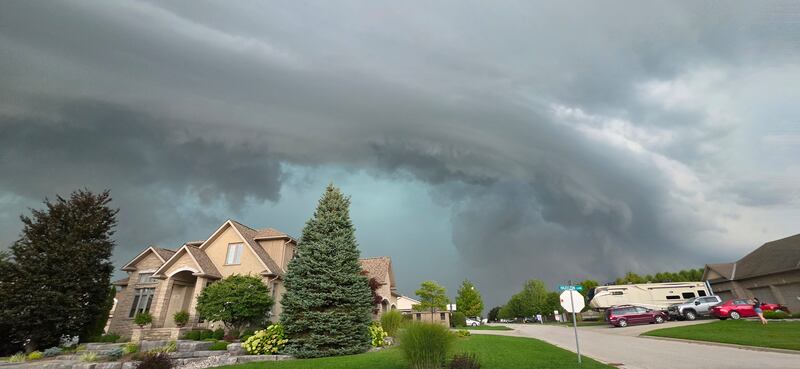
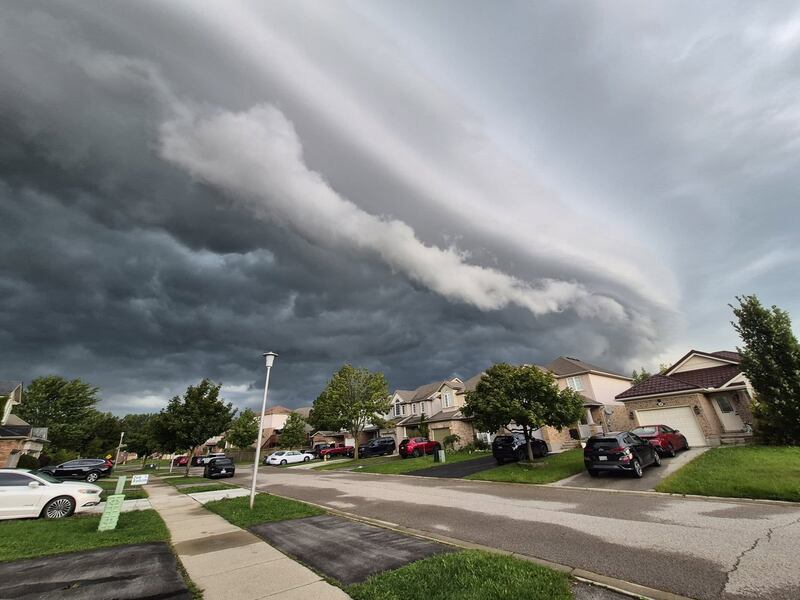
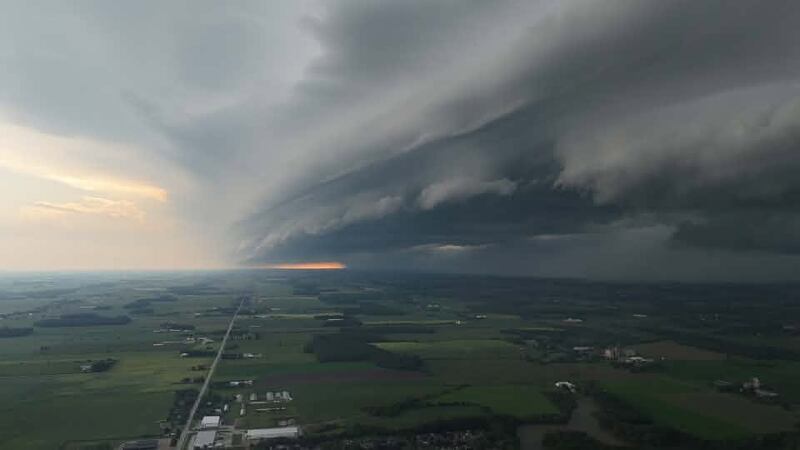
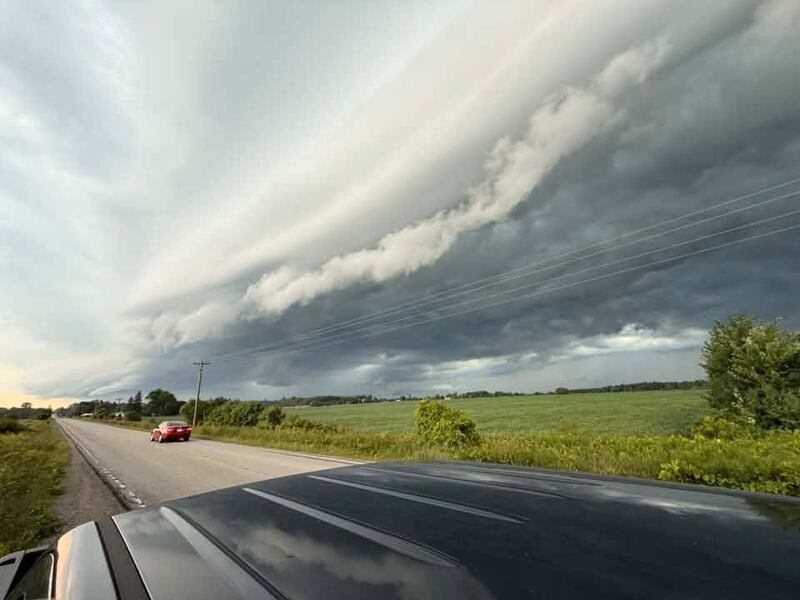
Storm clouds on Wednesday, Sept. 2, 2026. (Andrea Couper)
Storm clouds on Wednesday, Sept. 2, 2026. (Derek Weber)
Storm clouds on Wednesday, Sept. 2, 2026. (Emma Kilbaska)
Storm clouds on Wednesday, Sept. 2, 2026. (Don Oudekerk)
Storm clouds on Wednesday, Sept. 2, 2026. (Lorrie Powless)
A fallen tree following a storm across Toronto and southwestern Ontario, Wednesday, Sept. 2, 2026.(@_victoriaspence / TikTok)
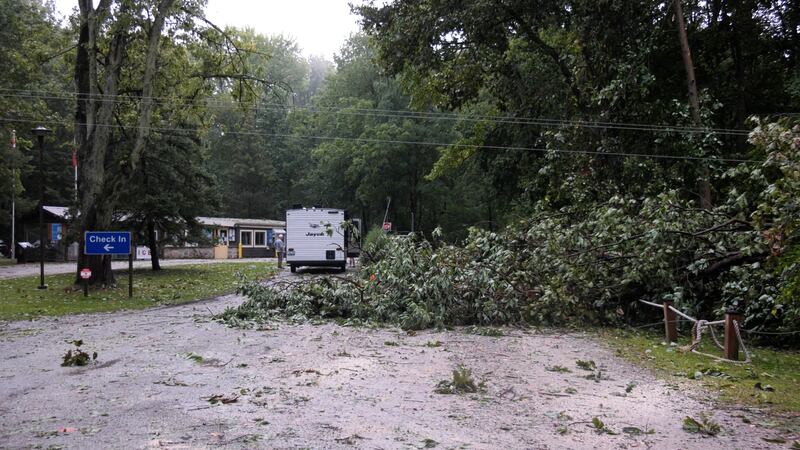
A lightning-struck tree brought down a line near the Wheatley Provincial Park entrance. (Travis Fortnum/CTV News London)
Damage after a storm ripped through east Windsor, Ont. seen on Sept. 3, 2026. (Kate Otterbein/CTV News Windsor)
Damage after a storm ripped through east Windsor, Ont. seen on Sept. 3, 2026. (Kate Otterbein/CTV News Windsor)
Flooding in the Westmount and Alexandra area of Waterloo, Ont. was photographed following a powerful storm on Sept. 2, 2026. (Nicole Renfer)
A broken tree branch resting on a hydro line in Wellesley, Ont. (Dave Pettitt/CTV News)
A tree on a Rittenhouse Road property that was damaged during a storm on Sept. 2, 2026. (Rowen Fisler/CTV News)
A tree on Charnwood Court in Kitchener that was damaged during a storm on Sept. 2, 2026. (Rowen Fisler/CTV News)
Storm damage in Essex County, Ont., on Thursday, Sept. 3, 2026. (Sanjay Maru/CTV News Windsor)
Storm damage in Essex County, Ont., on Thursday, Sept. 3, 2026. (Sanjay Maru/CTV News Windsor)
Storm damage in Essex County, Ont., on Thursday, Sept. 3, 2026. (Sanjay Maru/CTV News Windsor)
Damage after a storm ripped through east Windsor, Ont. seen on Sept. 3, 2026. (Kate Otterbein/CTV News Windsor)
Trees downed by a powerful storm were cleared from the Maple View Mennonite Church property in Wellesley, Ont. on Sept. 3, 2026. (Dave Pettitt/CTV News)
Storm damage in Essex County, Ont., on Thursday, Sept. 3, 2026. (Sanjay Maru/CTV News Windsor)
Storm damage in Paris, Ont., Wednesday, Sept. 2, 2026. (Submitted)
Storm damage in Paris, Ont., Wednesday, Sept. 2, 2026. (Submitted)
Video on social media showed large hail falling and downpours flooding vehicles and bus stations, sending people running for cover.
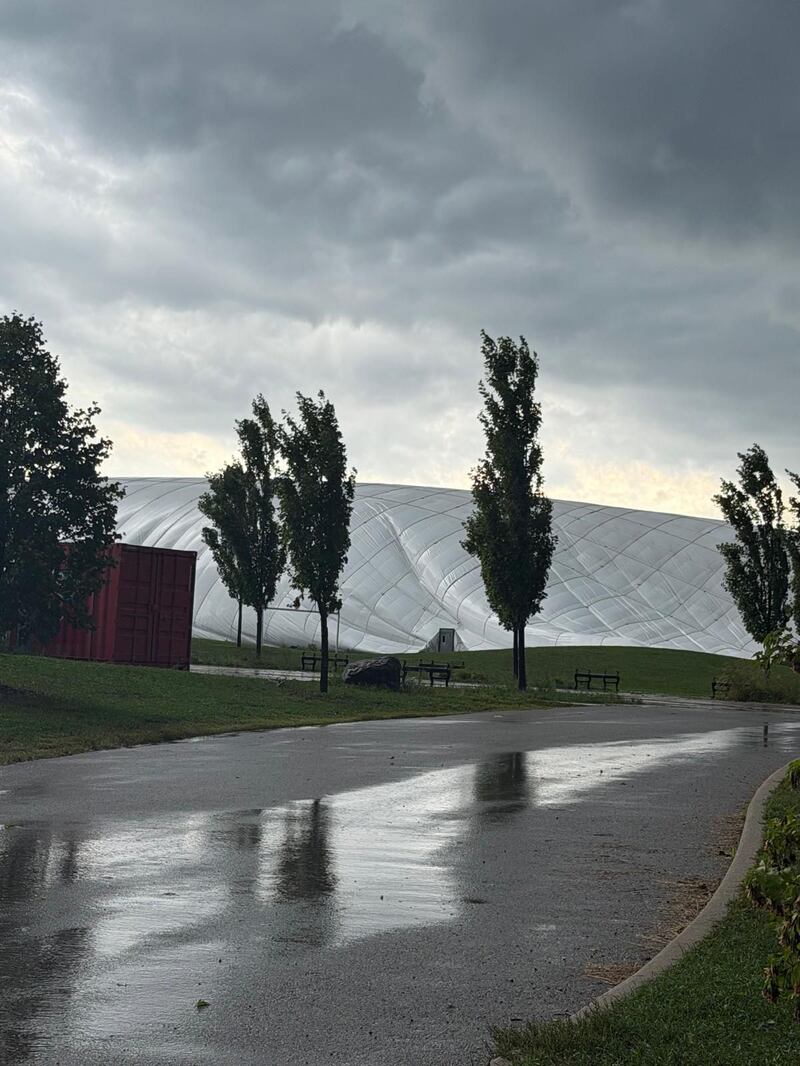
The storm also caused flight delays and cancellations at Toronto’s Pearson airport, and left some serious damage to Rogers Stadium, a 50,000-capacity music venue in the city’s north end. The airport said operations were “returning to normal” Thursday morning but encouraged travellers to check with their airline.
David Sills, director of the Northern Tornadoes Project at Western University, said there was “no credible evidence” at this stage that a tornado occurred as part of Wednesday’s storms, but the organization continues to receive reports and analyze them.
A survey team was heading Thursday for the community of Brodhagen, in the municipality of West Perth about 60 kilometres north of London, Ont., where the worst damage appeared to have occurred, Sills said.
“The team will have a lot of area to cover in the next couple of days,” he wrote in an email.
A few minutes down the road from Brodhagen, Laura Leybourne said she went through a “surreal” experience driving home in the storm.
She was picking up her daughter from daycare when she saw the storm approach in her rearview mirror. Leybourne said she could feel the wind pushing her car forward as branches came down around her, ricocheting off her SUV.
“I have my four-year-old in the back seat so I’m trying to tell her, ‘It’s fine we’re gonna make it home.’ And internally I was panicking because I didn’t know what was going to happen,” she said.
As she neared her home in Rostock, Leybourne said she saw a tree come down and snap the power line running along her street.
Leybourne and her daughter got home safely, but the family’s gazebo didn’t survive the storm. Nor did their trampoline, which Leybourne said she later found about a kilometre away in a corn field.
The family’s home was still without power nearly 24 hours after the storm hit.
Leybourne said she took her daughter to have breakfast at her brother-in-law’s house Thursday morning and took stock of the destruction on the drive over.
“Seeing what that storm had done, it was an indescribable feeling,” she said.
The downed trees and power lines littering the area made her consider just how narrowly she and her daughter had avoided disaster, she said.
“It just gave me a real wake-up call to see how severe storms can really be. I always kind of liked thunderstorms, but after yesterday, I’m really not so sure anymore,” she said.
This report by The Canadian Press was first published Sept. 3, 2026.
Paola Loriggio and Kathryn Mannie, The Canadian Press