Warning: Graphic content
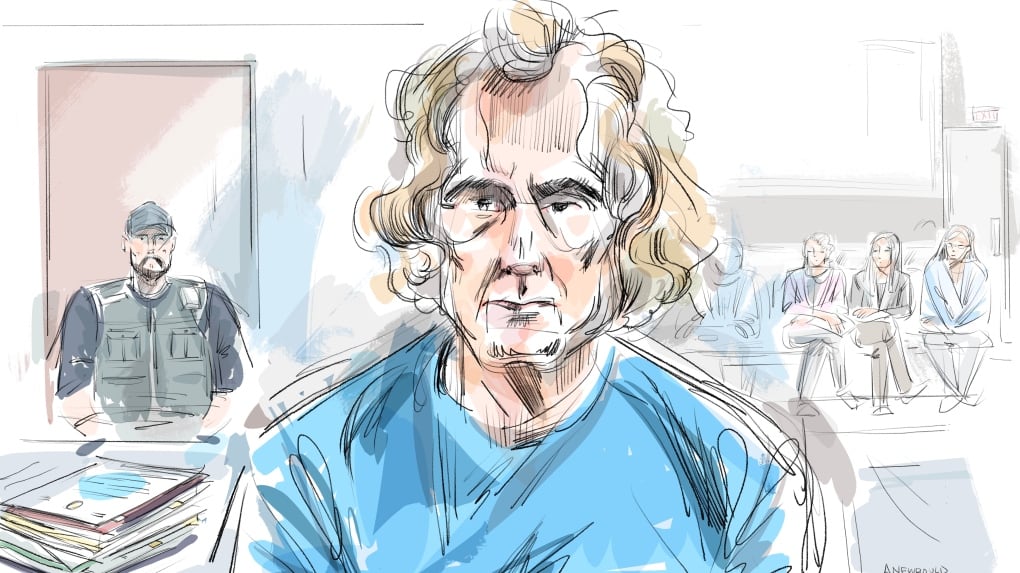
Convicted killer and serial rapist Paul Bernardo is up for parole for the fourth time in eight years next month, as the lawyer for the victims’ families pushes for longer intervals between hearings.
“Paul Bernardo has been designated a dangerous offender, and has been diagnosed as being a sadistic sexual psychopath, and nobody can dispute medically or scientifically that there is no cure for sadistic sexual psychopathy,” Tim Danson said in an interview with CTV News.
Now 62 years old, Bernardo will plead his case before the Parole Board of Canada on Oct. 20 from the medium-security La Macaza Institution in Quebec, where he was transferred to in 2023 from a maximum-security prison in Ontario.
Bernardo has spent more than 30 years behind bars after he and his then-wife, Karla Homolka, kidnapped, tortured, and killed 14-year-old Leslie Mahaffy in 1991 at their home in Port Dalhousie, Ont. Her body parts were found encased in concrete in Lake Gibson near St. Catharines on the same day that Bernardo and Homolka were married.
A year later, 15-year-old Kristen French was abducted as she walked home from school in St. Catharines. She was tortured and held captive for three days before she was killed. Her body was found in a ditch in Burlington, Ont.
Some of Bernardo’s crimes, which spanned several years in the late 1980s and early 1990s, were videotaped.
Bernardo was convicted of the first-degree murder of Mahaffy and French, and multiple sexual assaults. He was also convicted of manslaughter in the 1990 death of Homolka’s 15-year-old sister, Tammy, who was drugged and sexually assaulted by the couple. He has admitted to sexually assaulting at least 14 other women.
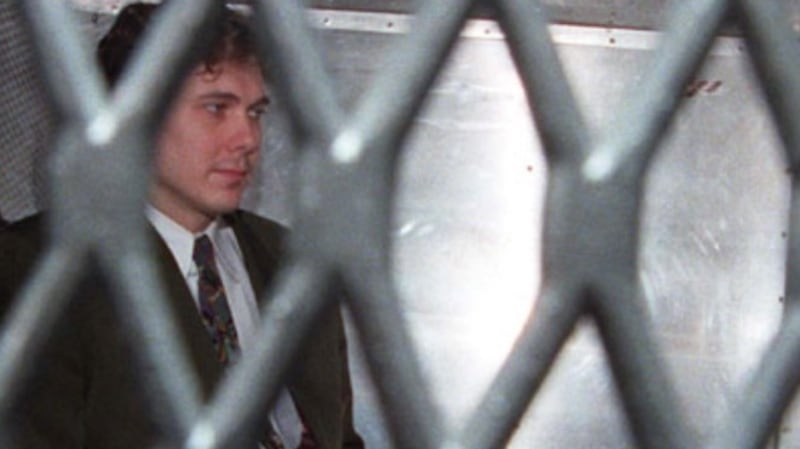
Bernardo was sentenced to life in prison without the eligibility of parole until 25 years after his arrest in 1993. He has been subsequently denied parole in 2018, 2021, and 2024.
Homolka served 12 years until 2005 after pleading guilty to manslaughter.
Lawyer for victims’ families wants 7-year cadence for parole hearings
Danson said while it is the victims’ families’ view that Bernardo was entitled to his first parole hearing in 2018, and subsequent hearing in 2021, the frequency of these hearings needs to be spaced out.
“We feel that parole hearings for people like Paul Bernardo should be every seven years, and if somehow there is a medical breakthrough or something significant, the offender could apply to the parole board for an earlier hearing, but otherwise it should be seven years,” he said, pointing to how the Criminal Code requires hearings every two years.
The mothers of both victims, Donna French and Debbie Mahaffy, are expected to attend the hearing either in-person or virtually, according to Danson. Asked what their message will be to their daughters’ killer, Danson said: “The price he has to pay for what he did is to spend the rest of his natural life in jail, and should be lucky that we don’t have capital punishment in Canada.”
Bernardo has ‘considerably more freedoms’ now: Danson
Bernardo’s quiet transfer to La Macaza in 2023 was met with intense public backlash, including strong words from Premier Doug Ford who said at the time that the notorious killer should “rot in a maximum-security prison” for the rest of his “miserable existence.”
Then public safety minister Marco Mendicino was removed from former prime minister Justin Trudeau’s cabinet as the controversy grew, and Mendicino admitted to a “breakdown in information” after it was revealed that both offices knew about the transfer months before it happened.
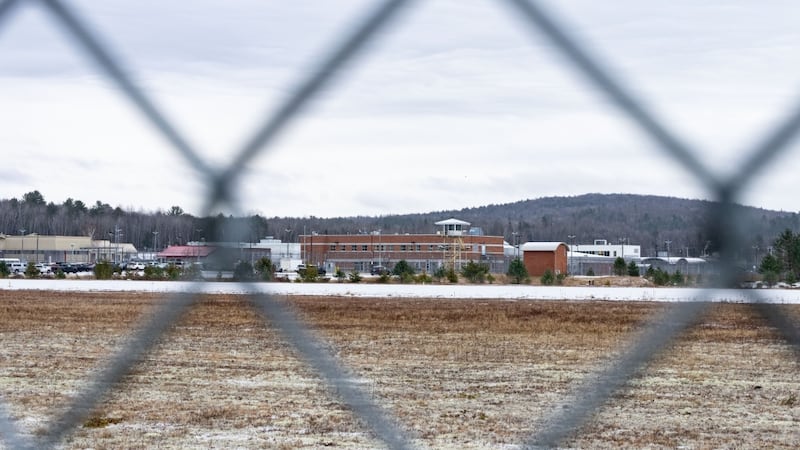
The Correctional Service of Canada would eventually say that the move was “sound” and followed all applicable laws and practices.
For Bernardo, the transfer has afforded him “considerably more freedoms,” according to Danson.
“The difference between a maximum and medium-security prison on the inside is considerably more relaxed for the offender in medium security…he’s got lots of rights and privileges in the prison, and again, he should consider himself lucky that he’s not in maximum security where we feel he should be in," he said.
Danson went on to say that his clients are not against the efforts of rehabilitation for the “overwhelming majority” of federal offenders. However, he cautioned that: “We can’t be naive about people like Paul Bernardo.”
“Constitutionally, you can’t throw away the key without having some kind of hearings. But they’ve (the Parole Board of Canada) got to be realistic,” he said.
If you or someone you know is struggling with sexual assault or trauma, the following resources are available to support people in crisis:
- Call 911 if you are in immediate danger or fear for your safety.
- The Canadian Association of Sexual Assault Centres’ website has a comprehensive list of sexual assault centres in Canada that offer information, advocacy and counselling.
- The Ending Violence Association of Canada’s website has links to helplines, support services and locations across Canada that offer sexual assault kits.
- Indian Residential School Survivors Society crisis lines: +1 866 925 4419 or +1 800 721 0066 (24/7)
- Toronto Rape Crisis Centre crisis line: +1 416 597 8808 (24/7)
- Canadian Human Trafficking Hotline: +1 833 900 1010 (24/7)
- Trans Lifeline: +1 877 330 6366
- Suicide Crisis Helpline: call or text 988 (24/7)
- Sexual Misconduct Support and Resource Centre for current and former Canadian Armed Forces members: +1 844 750 1648
- Read about your rights as a victim on the Canadian Resource Centre for Victims of Crime website.
With files from Rachel Aiello and The Canadian Press

