

Toronto mayoral candidate Brad Bradford is promising to freeze property taxes for a year if he becomes mayor, while Olivia Chow worries the move could bring cuts and send the city “back to the bad old days.”
Bradford first announced the plan at a Toronto Region Board of Trade debate Tuesday night, arguing the freeze would provide immediate relief to both homeowners and businesses.
“Last night at the Board of Trade debate, I announced that as your mayor, I will freeze your property taxes for one year,” Bradford said Wednesday. “I’m going to do that for every home and every business in the city to provide immediate affordability relief.”
Bradford is also pledging to keep property tax increases below inflation in each of the three years after the freeze.
Here’s a closer look at his plan.
Bradford’s spending argument
Bradford says the freeze could be funded without cuts to frontline services by using what he describes as “recurring room” in the city budget, which is the leftover money the city does not spend from the tax increases it receives.
In a media release, he points to 2025 figures showing the city budgeted about $5.6 billion for the portion of its budget funded by property taxes, but spent about $5.5 billion. He noted there was a similar gap in 2024 of about $130 million.
Bradford wants an independent, line-by-line review of every city division, agency and program, saying the last such independent review was in 2011.
Toronto regularly reviews the annual budget through city staff and councillors. Though what Bradford is calling for is a separate, third-party review similar to when former mayor Rob Ford hired KPMG to conduct a core services review.
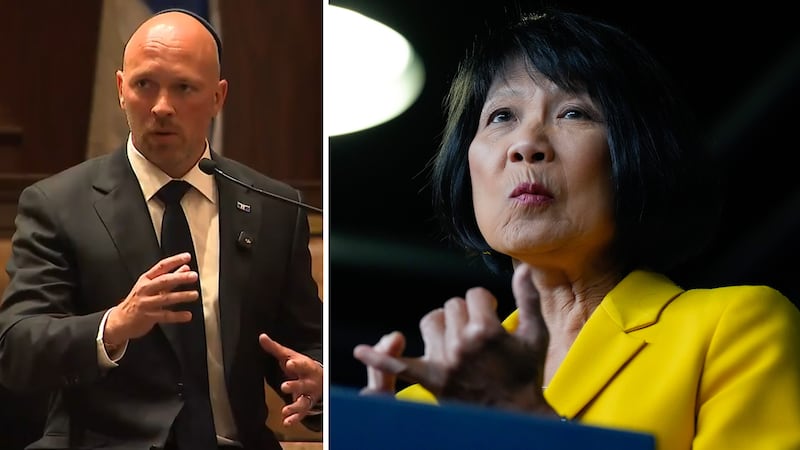
He also went on to criticize Chow’s record on property taxes, pointing to increases of 9.5 per cent in 2024, 6.9 per cent in 2025 and 2.2 per cent this year.
Bradford called the 2024 increase the “largest tax hike in Toronto’s history.”
“In 2023, Olivia Chow promised everybody that her property tax increase would be modest,” Bradford said. “She then delivered a 9.5 per cent tax increase.”
For her part, Chow has pledged to keep property taxes “at or around” the rate of inflation if re-elected.
Chow pushes back
Speaking to reporters at a separate news conference Wednesday, Chow warned a tax freeze could put pressure on services, arguing under her leadership, Toronto residents have seen service improvements while taxes have increased.
“My worry is this: pledging a freeze means we’re going back to the bad old days, where libraries, fire station, even long-term care homes were faced with closure,” Chow said.
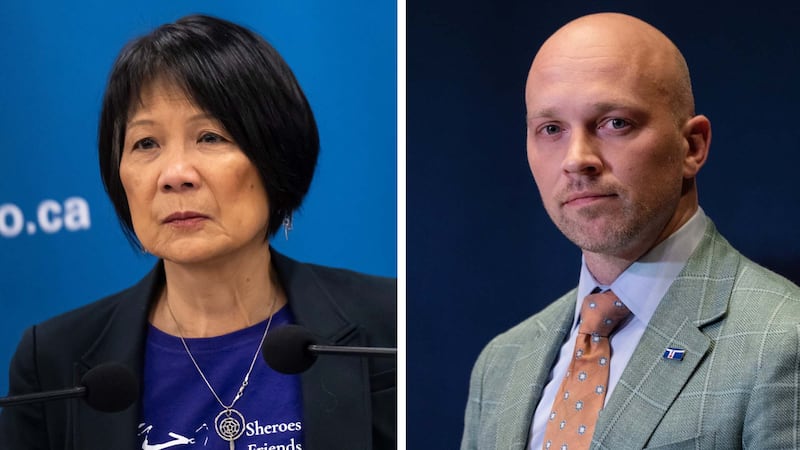
She also disputed Bradford’s claim that the city needs a new line-by-line review.
“Every year the city of Toronto does line-by-line review budget,” she said. “We do that every year, and this is hard work. And last year, in the budget, we found about $700 million of saving... which is why we’re able to lower it (property taxes).”
Chow’s affordability plan includes keeping property taxes around inflation while asking “luxury property owners and speculators to chip in more.”
She has also proposed lower TTC costs, more school meals, expanded library hours and greater protection for renters.
Bradford meanwhile, argued property taxes affect renters indirectly through their housing costs.
“There’s this myth out there that a property tax freeze or property tax rates only affect homeowners. Well, that’s not true,” he said. “If you’re paying rent in Toronto, you’re also paying property taxes.”
In an email to CTV News Toronto, Chow’s campaign defended previous increases noting that property tax hikes can’t be passed on to renters.
“In each of her budgets, Chow has made sure that property tax increase can’t be passed on to renters. She has always set the Multi-Residential property tax rate so that it can’t be passed along by a landlord to renters as an Above Guideline Increase.”
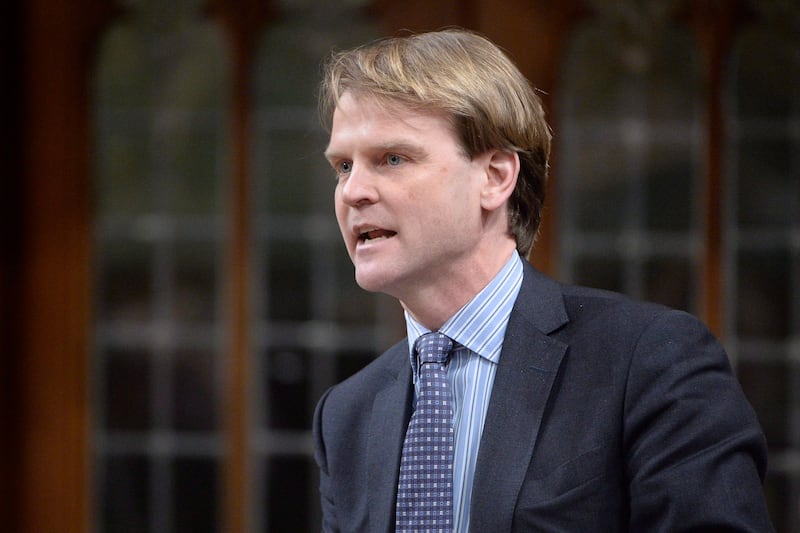
On the other hand, Mayoral candidate Chris Alexander has also pledged no property tax increases in his first year, followed by increases below inflation in his second year.
“Property taxes have been sky-rocketing, while new housing goes unbuilt and services continue to disappoint,” Alexander previously told CP24 in a statement.
Torontonians head to the polls on Oct. 26.
With files from CP24’s Bryann Aguilar

