
Some Toronto residents with disabilities say they are facing growing challenges finding reliable, wheelchair-accessible transportation, raising concerns about their ability to get to work, attend appointments and keep up with everyday commitments.
Their concerns come as one of the city’s largest taxi companies warns its accessible fleet is on track to shrink to just five vehicles by March 2027, down from approximately 200 in 2015-2016.
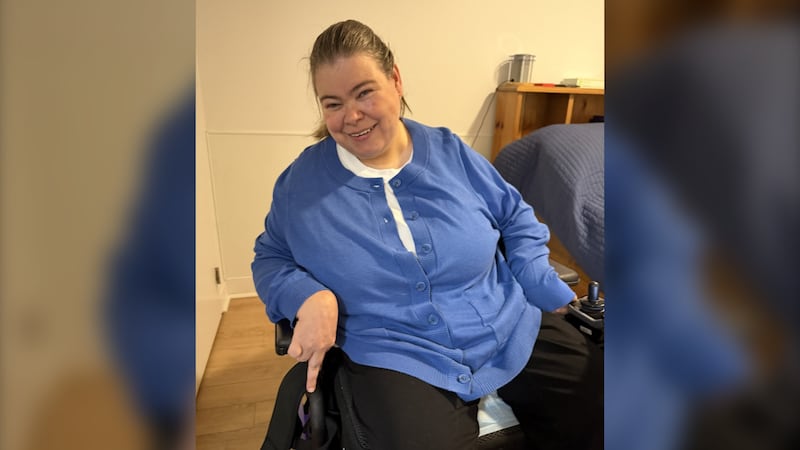
For Jennifer Conroy, who lives in Toronto’s Distillery District, having access to an accessible taxi can be the difference between making it to work and being unable to get there at all.
“They are vitally important … it’s vitally important to have an accessible taxi because if they’re not accessible, then I can’t get to work,” Conroy told CTV News Toronto.
‘Our lives are unnecessarily put on hold’
Conroy, who uses a wheelchair, says accessible taxis often need to be booked about an hour in advance, with passengers sometimes waiting even longer for a vehicle.
She recalled a time when her Wheel-Trans trip fell through and she was told it would take about two hours to arrange another ride.

Needing to get to her destination sooner, she turned to Lyft, which was able to send a vehicle on short notice.
“I was able to call at a moment’s notice, and they were able to come, and the Beck Taxi never showed up,” she said.
Conroy also recalled another incident about two months ago when a Beck taxi failed to arrive, leaving her “extraordinarily late” for a committee meeting.
She says the declining availability of accessible taxis is concerning for wheelchair users who may not be able to use conventional sedans or other transportation options.
“People assume that we have all this extra time to wait around, and sometimes we don’t. Most of the time, we don’t,” she said.
“We’re people too, and we have jobs, and we have families, and lives that are unnecessarily put on hold when we have to rely on taxis with fleets that are extraordinarily low.”
A dying service
In an interview this week, Beck Taxi’s Kristine Hubbard revealed the company’s accessible fleet has fallen from approximately 200 vehicles in 2015-2016 as drivers retire or switch to standard vehicles.
“These drivers have either moved on and purchased standard vehicles, or they’ve retired, or they’re sitting at home waiting to see what happens,” Hubbard told Newstalk 1010 on Thursday.
- FULL INTERVIEW BELOW
Hubbard says individual taxi drivers invested approximately $75,000 in accessible vehicles after the city introduced a licensing system in 2014, with the expectation that there would be a plan to ensure the service remained financially viable.
Today those same specialized vehicles with ramps and other upgrades cost $100,000 to $130,000, paid solely from the driver.
She argues the city has not done enough to help replace the aging vehicles, despite taking responsibility for collecting and directing industry funds in 2020.
In a statement to CTV News Toronto, the city says it has provided more than $7.6 million in direct funding to taxi owners and drivers through its Accessibility Fund Program since 2020.
“We have heard from industry stakeholders and accessibility advocates that the current supply of accessible vehicles is not meeting demand,” a spokesperson wrote.
“To help address this issue, as part of its Accessibility Fund Program, the City increased its one-time grant for newly converted accessible taxicab vehicles from $25,000 to $55,000 in July 2026 and alongside an annual grant and incentive of up to $5,000″
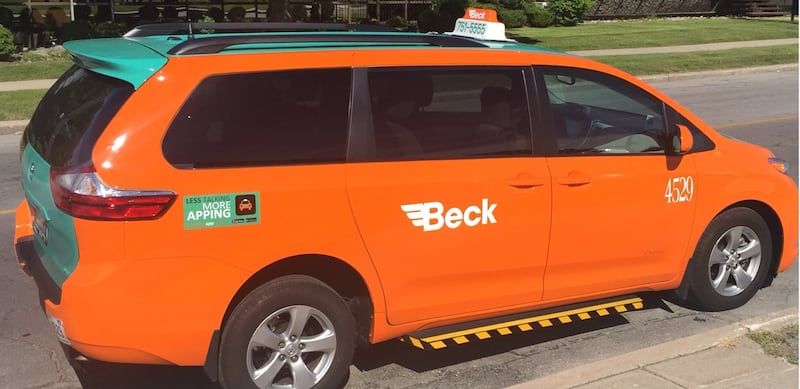
The city says their program can support up to 100 accessible vehicle conversions and that it has received 36 applications for the one-time grant and issued seven, with the remaining applications being processed.
“City staff continue to assess additional measures to increase the availability of on-demand wheelchair-accessible service and remain engaged with industry stakeholders and the accessibility community as this work progresses,” a spokesperson added.
But Hubbard says the decline in the accessible taxi fleet has already put the industry in a tough position.
She also questioned whether emerging driverless vehicles, including Waymo, would adequately accommodate passengers who use wheelchairs.
“Is a Waymo vehicle going to be able to fold someone’s wheelchair and put it in the trunk? Is a Waymo vehicle going to be able to ever tie down a wheelchair in a vehicle?” she said.
“The people who suffer are our most vulnerable.”
‘Major concerning’
For Darren Parberry, who lives in Toronto’s Keelesdale neighbourhood near Keele Street and Eglinton Avenue, the availability of accessible transportation can make a significant difference in his ability to get around.
Parberry says he has generally had positive experiences with accessible taxis when travelling with his cane, describing the customer service at one company as “basically phenomenal.”
But when he uses his larger mobility scooter, which is regularly apart of his daily travel, his options become considerably more limited.
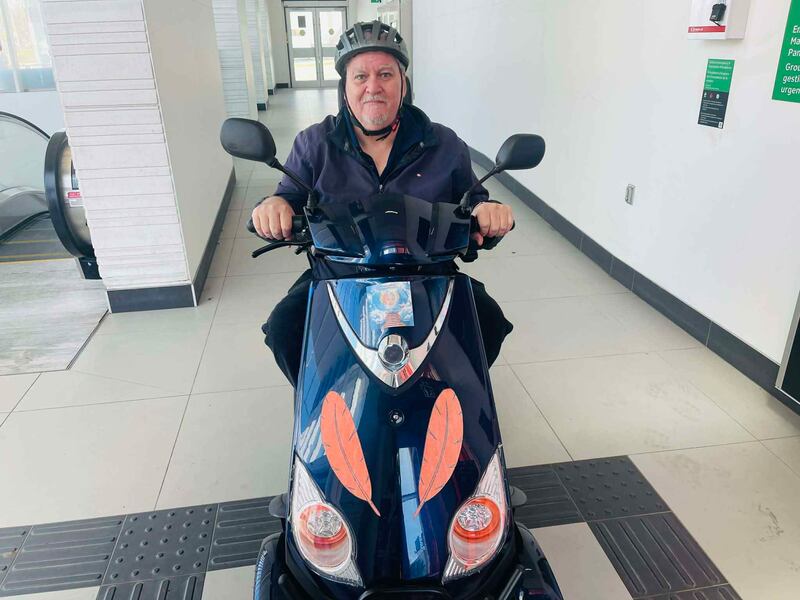
He says the scooter is too large for most rideshare vehicles and barely fits in Wheel-Trans vehicles, meaning he generally has to rely on the city’s specialized transit service.
Parberry also says his mobility needs require a particular type of vehicle, adding that because of “seven degenerative discs” in his back, he cannot use sedans.
Hearing that Beck Taxi’s accessible fleet is now just made up of five vehicles came as a surprise.
“That’s major concerning because that’s the first time I’ve heard this,” he said. “I have found taking disabled taxis to actually be very good.”
When it comes to early testing of driverless cars, the city says it is also reviewing how its vehicle-for-hire bylaw would apply to automated vehicles and what changes may be needed as the technology develops.
For Conroy, the priorities are straightforward: more affordable rides and more accessible vehicles.
“More affordability first and foremost, and more accessible taxis, and they need to do better,” she said.

