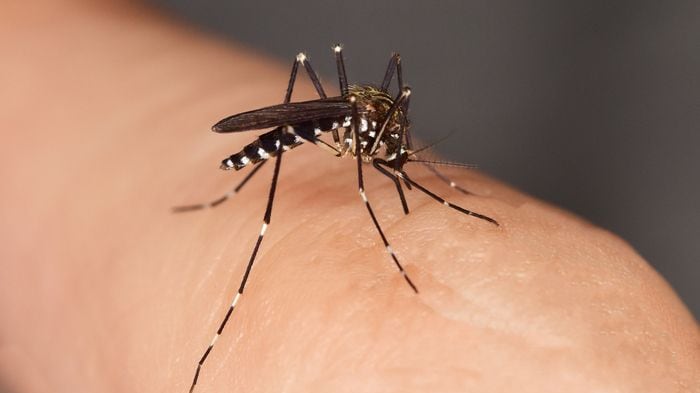
York Region has recorded its first batches of West Nile-positive mosquitoes for the summer.
The infected insects were recently caught in two traps in Markham, near Warden Avenue and Highway 7 East and Kennedy Road and 16th Avenue.
As part of the region’s 2026 West Nile virus Control Plan, the local health unit says it uses larvicides in catch basins to control mosquito breeding along regional and municipal roads and other stagnant public water source, including roadside ditches, monitors mosquitoes for the virus weekly.
It also investigates any reported human cases.
What is West Nile?
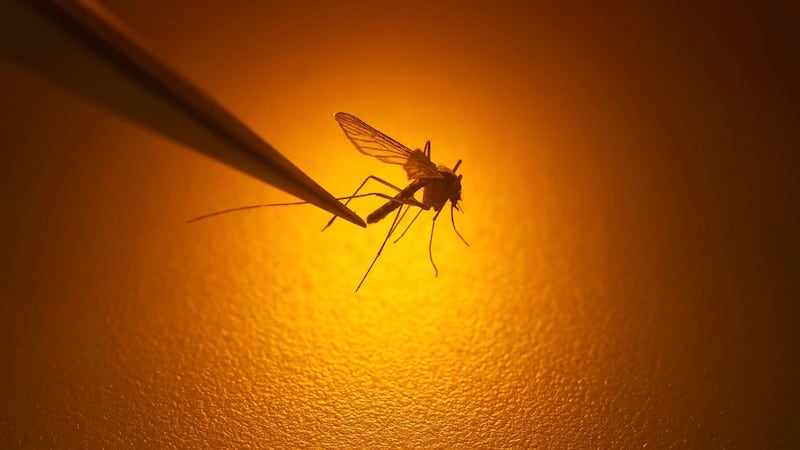
West Nile is a virus that can be spread to humans through the bite of an infected mosquito. It can cause severe illness in rare cases, notably neurological complications. However, most of those who contract it develop no symptoms.
It is usually transmitted through the bite of an infected mosquito that previously fed on an infected bird, most often a crow, a raven, a jay, or a magpie.
How to prevent the spread of the virus
York Region Public Health is urging people to remove any standing water from their property where mosquitos can breed, including bird baths, flowerpots, swimming pool covers, and clogged eavestroughs. The health unit also says to ensure window screens in their home are tight-fitting and in good repair.
People are also encouraged to use insect repellent containing DEET or icaridin and wear light-coloured protective clothing, including pants and long-sleeved shirts.
For more information on West Nile virus, contact York Region Health Connection at 1-800-361-5653 or TTY 711 or online.

