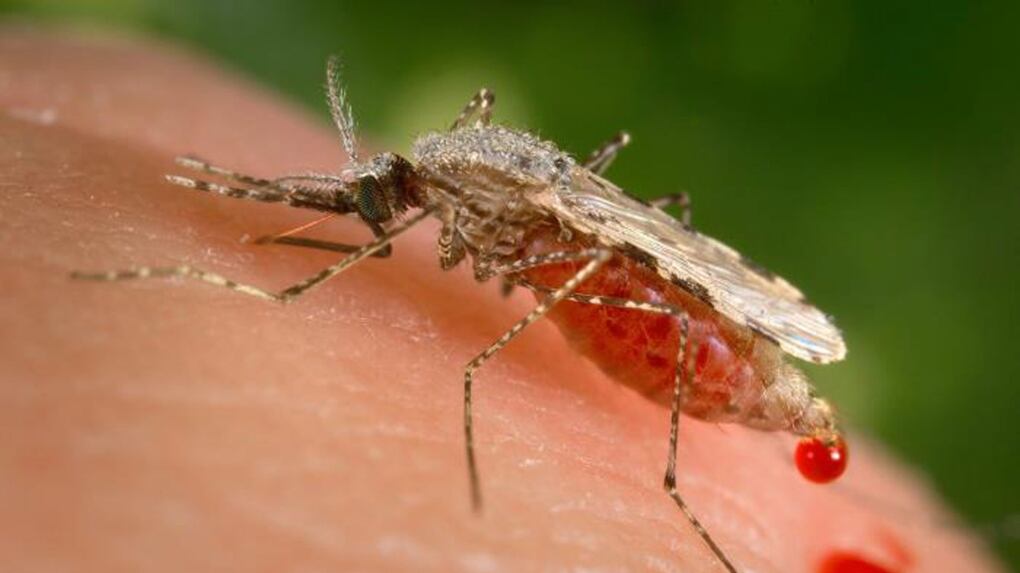
Mosquitos carrying the West Nile virus have been detected in Toronto but public health officials say that the risk of getting infected remains “low.”
The city monitors mosquito populations with traps that capture batches of mosquitoes which they then test for various illnesses, with the surveillance program taking place from mid June to mid September at 22 different locations.
In a news release issued on Friday, Toronto Public Health said that three mosquito batches collected in the City of Toronto recently tested positive for West Nile.
This is Toronto’s first confirmed case of an infected mosquito this year. York reported its first West Nile mosquito case on Thursday.
West Nile virus symptoms develop between two to 14 days after being transmitted from an infected mosquito, according to TPH. Symptoms can include vomiting, head and body aches, and swollen lymph nodes.
TPH warns that people “over the age of 50 or those with weakened immune systems are at greater risk of severe illness.”
To prevent the virus from spreading TPH advises wearing light coloured clothing with long pants and sleeves outside. Mosquitoes are most active at dawn and dusk and TPH says that residents should utilize bug spray and minimize exposed skin during those peak times.
To discourage mosquitoes from entering or breeding TPH adds that residents should attach screens to doors and windows and eliminate standing water where possible as that is where the insects breed.

