A secondary battlefield is being established online, with the spread of misinformation and fake images and videos related to the active conflict in the Middle East.
Marisha Goldhamer, AFP’s head of digital investigations for North America, told CTV News Channel on Monday that the issue is widespread and across multiple languages.
For example, one post of an explosion claiming to be from an Israeli nuclear facility is actually footage from Ukraine in 2017.
Another video purporting to be an Iranian plane strike is videogame footage.
A strike declaring to be on Tel Aviv is an explosion from a Chinese chemical warehouse, dating back to 2015.
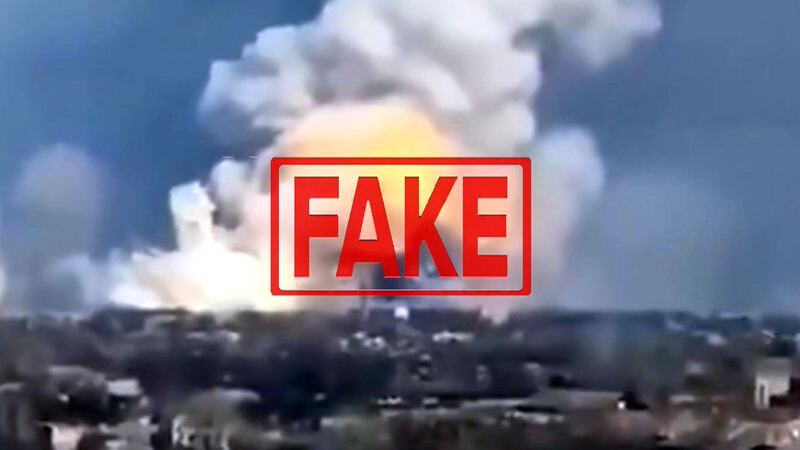
Goldhamer explained that she and her team take screenshots of the videos, and reverse image search them.
“Oftentimes, we will find that these videos have been circulating online for many years,” she said, adding that since there isn’t a lot of verified footage of the current conflict, people are incentivized to fill in the gaps.
“They know that if they have a post that takes off and goes viral, they may get a lot of attention,” Goldhamer said.
“(They) don’t seem to worry whether or not they’re sharing something authentic.”
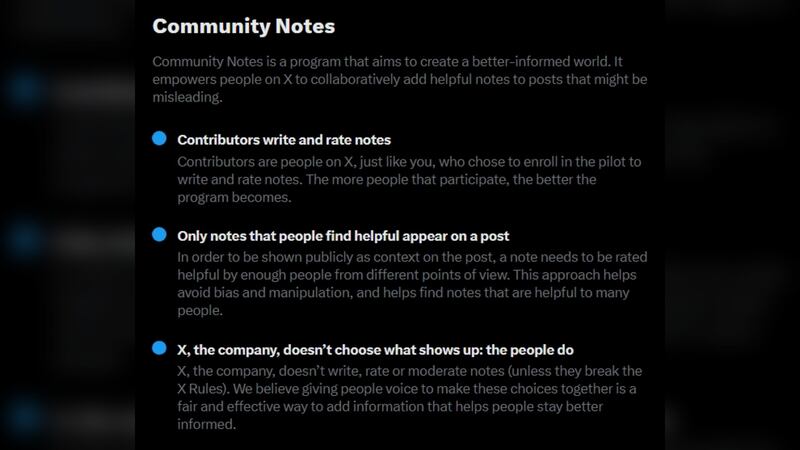
Social media platforms like X include community notes to notify users of misinformation or fake images, which Goldhamer said can be useful if the information is verified and the note goes up quickly. However, she warned that information shouldn’t be shared online if there are any questions about its authenticity or accuracy.
“We want to be sure that if we have any doubt about what we’re looking at on social media, we don’t want to share that,” she said. “We are part of breaking that cycle of virality.”
When it comes to spotting fake videos, Goldhamer said there are clues as to whether they’ve been made with AI. A video circulating online that claims to be Iranian fighter jets attacking Dubai shows a man with a misshaped hand with too many fingers.
“That can be a key signal that it was probably created with an AI generation tool,” Goldhamer said.
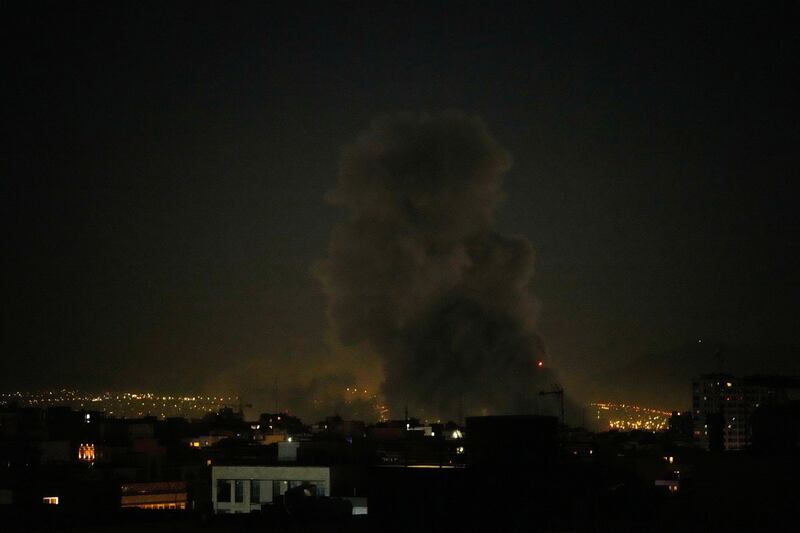
Some AI generated videos have watermarks, which can be helpful for distinguishing what’s they’re real or not. However, the watermarks can be easily be cropped out of footage once it’s shared online.
Goldhamer encourages people to do more research on videos circulating online to verify authenticity, or whether what’s posted is a real video that’s been recycled from other another conflict or incident.

