A Canadian scientist says their findings on the use of sunscreen have been misinterpreted by others to argue that it causes skin cancer.
Recently, an Italian doctor used a study led by the scientist, based on the U.K. Biobank data, to back up the claim that sunscreen causes skin cancer.
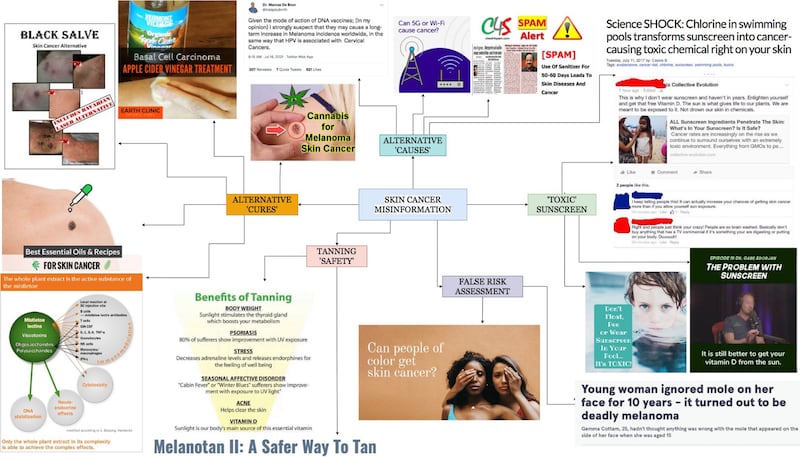
That’s not true, said Ivan Litvinov, an associate professor of medicine in the division of dermatology at McGill University, in an interview with CTVNews.ca.
However, Litvinov also said their findings do not mean every concern surrounding sunscreen should simply be dismissed.
Sunscreen is not a licence to tan
Litvinov says there are legitimate questions being studied about some types of sunscreens, including how certain organic sunscreen ingredients are absorbed by the body and their potential environmental effects.
But the bigger danger, he says, may be how people use sunscreen.
“What is more of a problem is how we view sunscreen and how we over rely on the sunscreen.”
That can create what researchers call the “sunscreen paradox.”
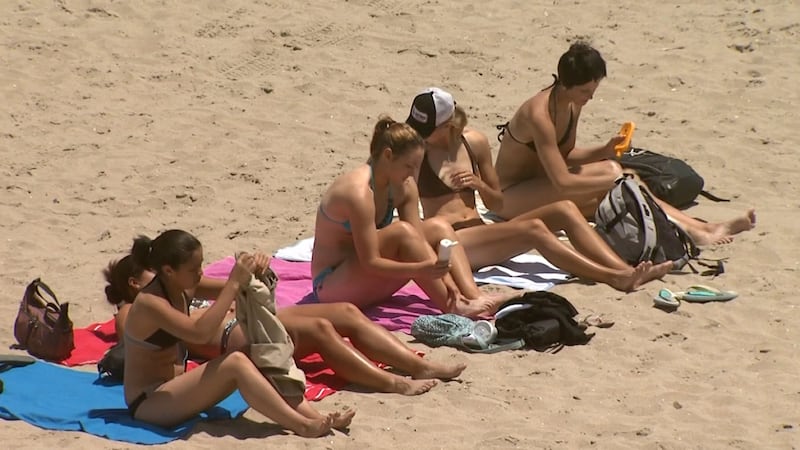
That’s when people apply sunscreen and then spend hours in direct sunlight believing they are fully protected. That can lead to more tanning, more sunburns and, ultimately, more ultraviolet exposure, Litinov explains.
He adds that the desire to get tanned is not necessarily as simple as vanity. He describes sunlight as something humans have evolved to seek out because it can feel pleasurable.
“When the sun hits our skin and starts to damage the DNA, there is a signaling cascade that results in the release of better endorphins, and it feels good.”
To use or not to use sunscreen
For Litvinov, the answer is not to abandon sunscreen. It is to stop treating it as the only line of defence.
He compares it to driving a car with a seatbelt.
“Seatbelt is just part of the solution, but there are other things that need to come together in order for driving safety to be implemented.”
“The same thing for sun exposure, sunscreen is just one modality,” he says.
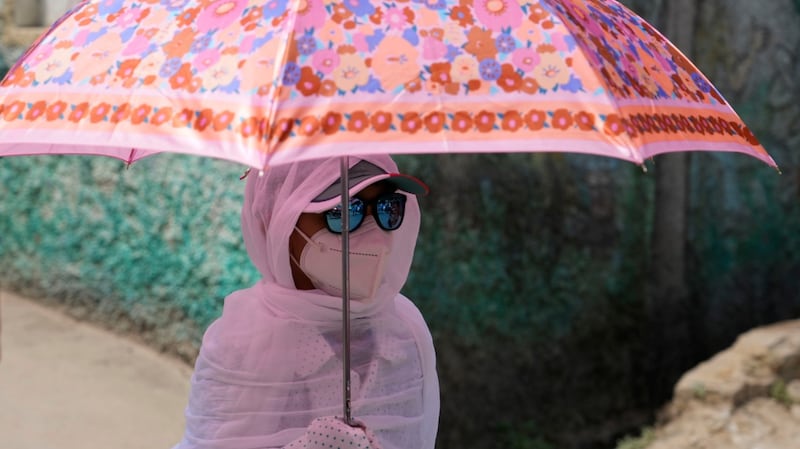
Shade, protective clothing, hats and sunglasses should all form part of a broader strategy, rather than relying on a thin layer of sunscreen to justify spending an entire day in the sun.
But used properly as part of a broader approach, sunscreen can still play an important role in preventing skin cancer.
“When used appropriately as part of the multi-modality approaches, where you seek shade, you use a hat, you use sunglasses, you use sunscreen, you use sun-protected clothing, it will actually protect you from skin cancer,” Litvinov says.
Looking beyond internet ‘miracle’ cures
The concern over misinformation extends beyond sunscreen.
Online posts can promote unproven substances, supplements and so-called natural remedies as alternatives to established skin cancer treatments. Such claims can be particularly dangerous if they persuade someone to delay seeing a doctor or abandon recommended treatment.

For Canadians, Litvinov’s message is ultimately less about fearing sunscreen and more about understanding what it can and cannot do.
And when an online post promises a shortcut around that reality, the safest response may be to put down the phone, and speak to a qualified health professional instead.

