
OTTAWA - The next step in the federal government’s plan to get major projects built in Canada will come in the form of new legislation.
The Building Canada Strong Act is expected to be a major plank of the government’s fall agenda as the House of Commons returns from its summer break.
It has been three months since MPs rose for the summer.
But it has been anything but a quiet break for Prime Minister Mark Carney, who has spent much of his time meeting with world leaders.
His travel schedule picked up pace after trade talks with the United States collapsed in August, as Canada and the U.S. ramped up their tariff dispute in recent weeks.
The Building Canada Strong Act is expected to be the government’s attempt to deliver on promises made to businesses and investors looking to put capital into Canada.
The legislation would aim to simplify the approval process for major federal projects by establishing a “one project, one review, one year” timeline — a move the government says would give investors greater certainty.
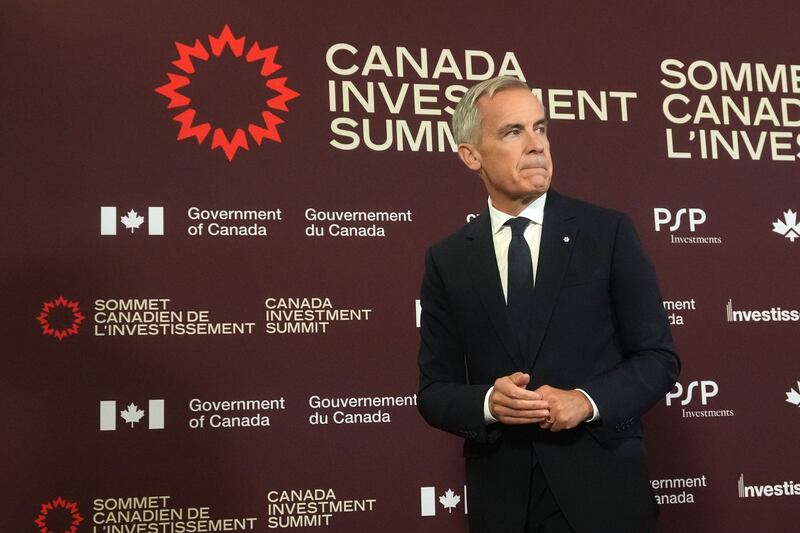
“Predictability is a competitive advantage,” Carney said. “If we’re going to say no, say no quickly. We’re going to say yes. Say yes on time. When Canada decides a project should go ahead, that project will go ahead.”
But efforts to streamline regulations could further concern environmental groups already worried about what they see as a weakening of environmental protections in favour of resource development.
Government House Leader Steven MacKinnon has also said the bill will include changes to Canada’s Labour Code.
Federal NDP Leader Avi Lewis says his party will oppose the legislation if it weakens workers’ constitutional right to strike.
“What we’re hearing is that this will be a significant blow against the right of workers to withhold their labour, and we will oppose it in every way that we can,” Lewis said. “Corporate Canada is getting its wish list written into law, and the vast majority of us who are in a cost-of-living emergency in Canada are not on the government’s radar.”
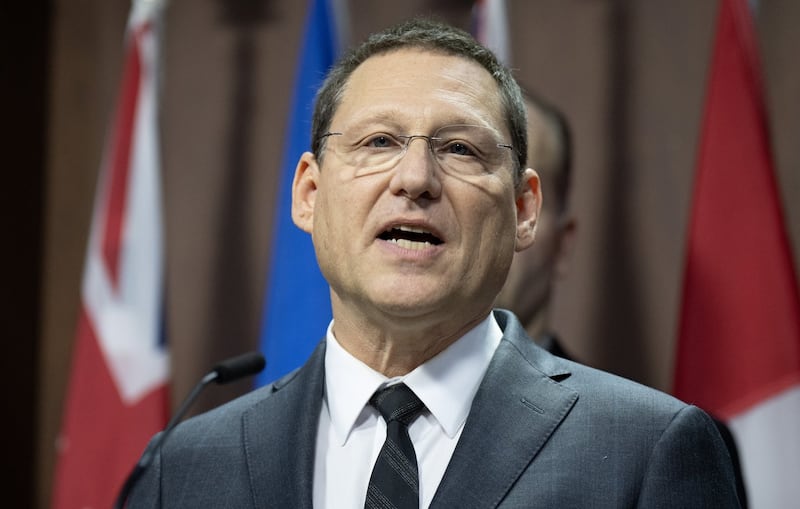
The Building Canada Strong Act won’t be the only potential point of debate this fall.
Opposition Conservatives have been calling for Parliament to reconvene since trade talks with the United States collapsed in August.
They have been pressing the government for more details about what led Carney to recall Canada’s trade negotiators, triggering the latest round of tariff tensions.
And with the European Union now proposing that Canada become its first associate member, Conservatives want to know what the prime minister’s intentions are toward the EU.
On Sunday, Conservative Leader Pierre Poilievre received applause at a political rally in Brantford, Ont., after saying Canada’s capital is in Ottawa, not in Europe.
“We already have a free trade agreement with Europe. We’ve had it for over a decade. We’ve had a military alliance with 30 European countries through NATO — that’s nothing new, and we continue to support all of that,” Poilievre said.
“But what we will not support is forcing on Canadians European taxes, European laws, and reckless European-style immigration.”

