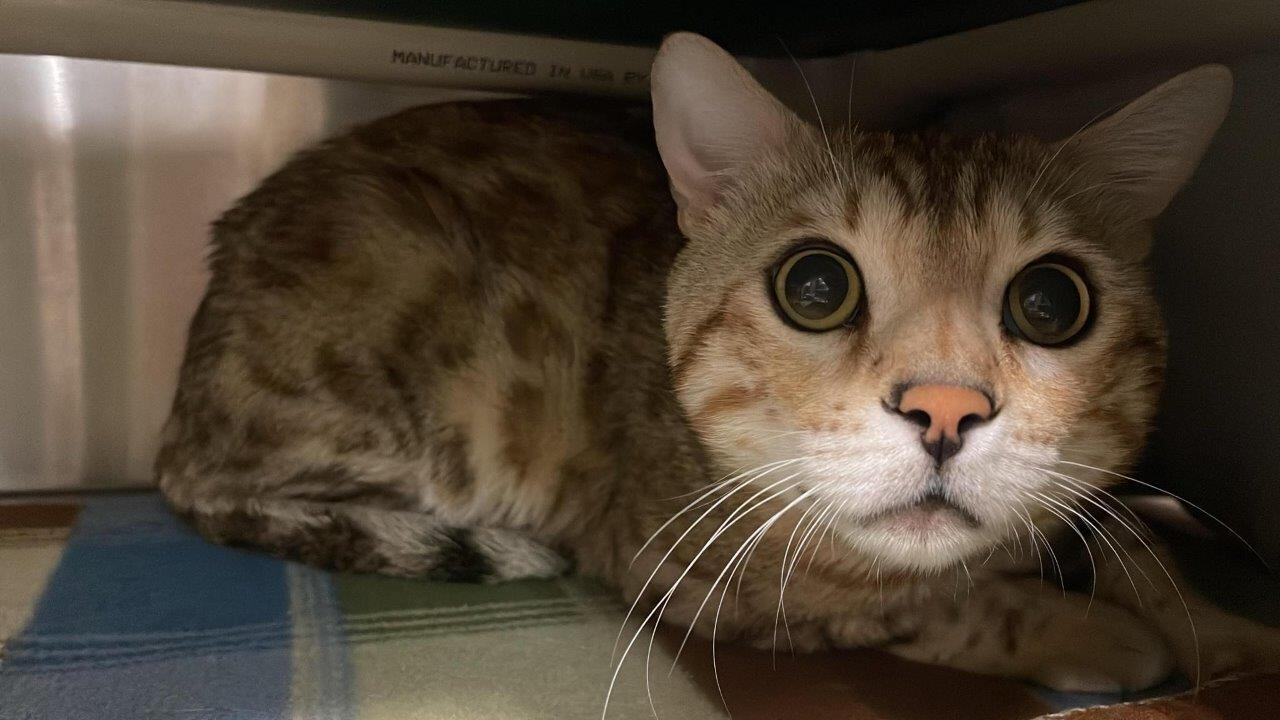
Animal protection officers say 34 Bengal cats were seized from a breeder in British Columbia after an investigation found “exceptionally high levels” of ammonia in the rooms where the exotic cats were housed.
The animals were seized from a property in Vernon on May 28 after a veterinarian determined the animals were in distress due to their dwelling conditions, the B.C. SPCA said in a news release Wednesday.
The agency says it was alerted to the situation by a would-be cat buyer who visited the property and was alarmed by the conditions the cats were kept in.
“They contacted the animal helpline and an investigation was initiated,” B.C. SPCA spokesperson Eileen Drever said in the release.
“This is yet another situation where someone is breeding animals in conditions that do not support their physical or mental well-being.”
The officers who visited the breeder reported “an overwhelming smell of ammonia in the rooms where these cats were housed,” the spokesperson added, describing the smell as “so intense their own noses were stinging.”
A test for airborne ammonia registered the gas at the highest possible level due to poor hygiene and ventilation, according to the agency.
“These concentrations can lead to severe respiratory irritation and, in extreme cases, even ulceration of the eyes,” Drever said of the dangers of ammonia exposure.
The B.C. SPCA says the cats were being kept in cramped conditions in dirty cages with overflowing litter boxes.
“Bengal cats are typically larger than domestic cats,” said Drever. “Some of these cats spent most of their time in cages.”
The seized cats were taken to the B.C. SPCA’s centre in Kelowna, where manager Shannon Paille said most of the cats were “fearful” but “very brave” during their intake examinations.
“Only some of them were growly,” Paille said in the release. “Bengals can be quite vocal.”
Nearly all of the surrendered Bengals were underweight and some were suffering from diarrhea, the shelter manager said.
“We have already been giving the cats regular treatments for skin issues, but, because of some suspicious hair loss, they are also being tested for ringworm,” she said, adding that all of the cats will need spay or neuter surgeries.
The B.C. SPCA says Bengal cats are very intelligent and energetic, and may require more stimulation and attention than other feline breeds. Bengals are a hybrid of wild Asian leopard cats and domestic breeds, and require highly specialized care.
“The B.C. SPCA opposes the breeding of wild animals with domestic animals, as well as the breeding of wild animals in captivity as exotic pets,” the agency said.
“The importation, breeding, and keeping of exotic animals – such as Asian leopard cats and Servals, which are used to create hybrid cats – should be prohibited under the provincial Controlled Alien Species Regulation of the Wildlife Act.”
It is not yet known whether the seized Bengal cats will be available for adoption, according to the B.C. SPCA.

