Nine people are in hospital with salmonella, says Canada’s public health agency, after consuming various brands of pistachios and pistachio-containing products.
It is not clear at this time where those hospitalizations are located.
The agency said it is aware of 52 cases of the illness caused by the affected products across the country: one in Manitoba, two in British-Columbia, nine in Ontario and 39 in Quebec.
Three quarters of theses cases are women, according to the Public Health Agency of Canada (PHAC). Patients range in age from two to 89, it added.
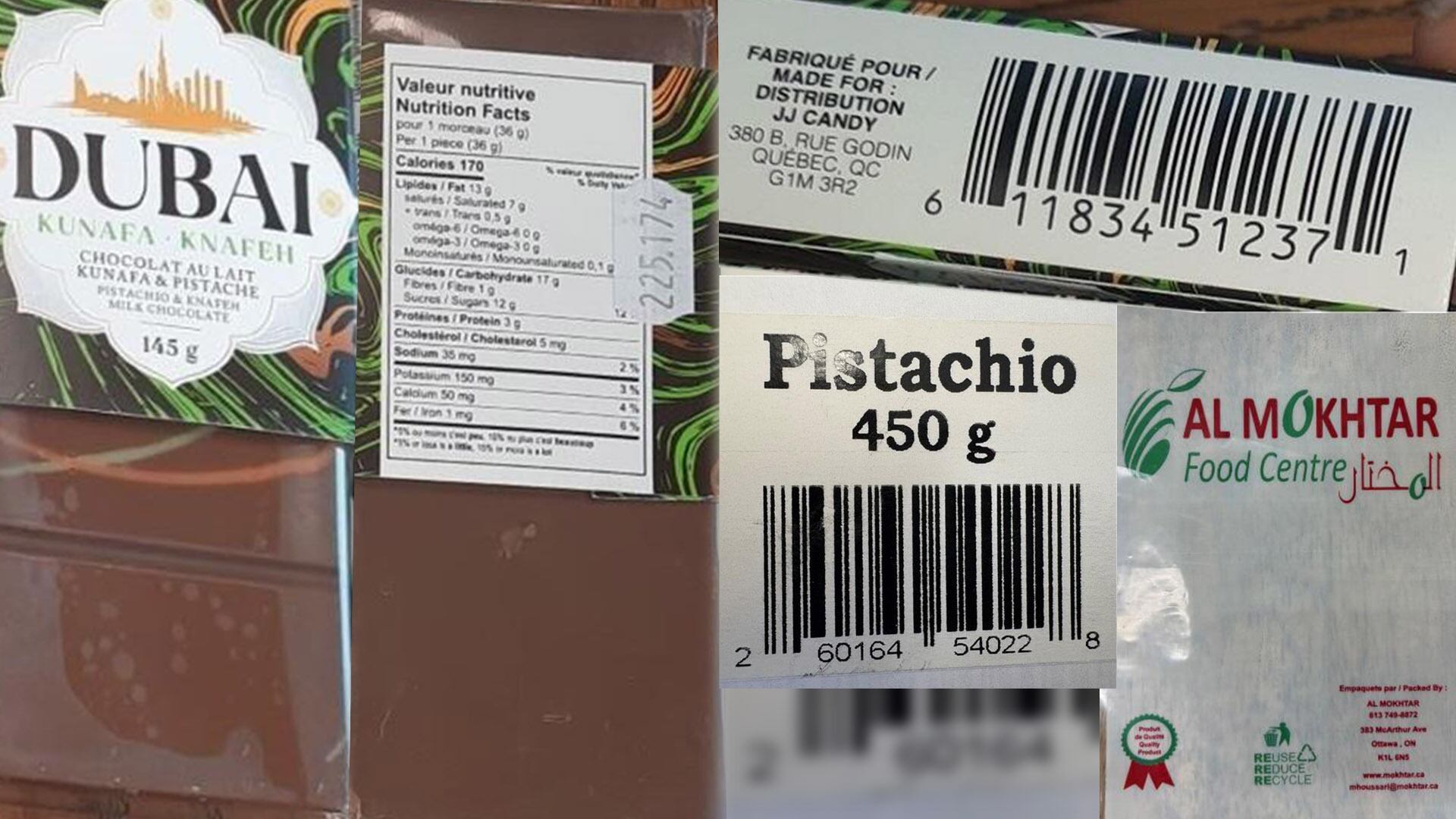
The products in question were distributed in Ontario and Quebec under the brand names Habibi, Al Mokhtar Food Centre and Dubai.
Public health said Dubai brand pistachio and knafeh milk chocolate bars were also available for purchasing online.
It should also be noted that these recalled pistachios may have been used and sold in baked goods.
Individuals, as well as retailers, distributors, and food service establishments like grocery stores, pharmacies, bakeries, and cafes across the country, are strongly advised to not consume, use, sell, serve, or distribute these recalled products or any products made with them.
They are also urged to check if they have the recalled products in their home or establishment by looking for the specific product name and size, UPC and codes in the recall alerts.
Further, people should throw out or return recalled products to the location where they were purchased. Consumers or establishments who are unsure if they have purchased the recalled products are advised to contact their retailer or supplier where the products were purchased, says PHAC.
Lastly, do not cook food for other people if you’ve been diagnosed with a salmonella infection or any other gastrointestinal illness.
What is salmonella?
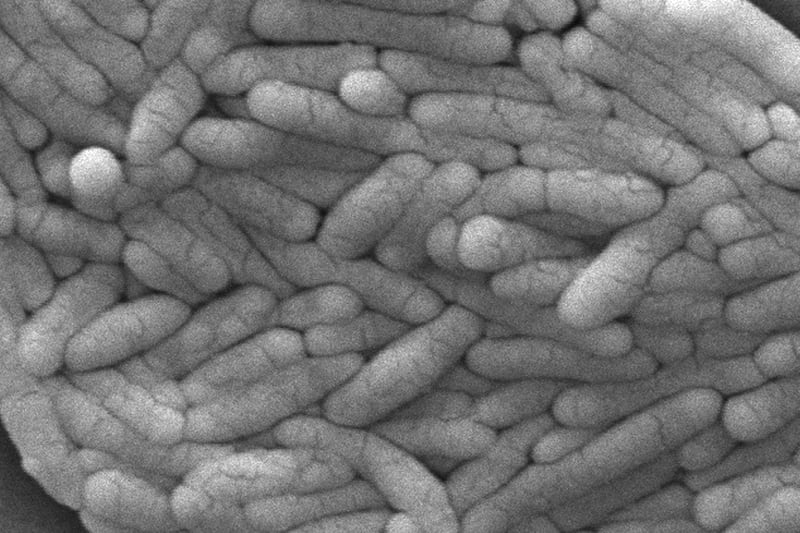
Salmonellosis, as its officially called, is a foodborne bacterial illness that can affect anyone exposed to a contaminated food product.
Those who are infected with this bacteria can spread it to others several days to several weeks after they become infected, even if they don’t have symptoms.
Salmonellosis has a wide range of symptoms. And while some people may not get sick at all, others will experience the effects of this illness within six to 72 hours after exposure.
Symptoms include chills, fever, nausea, diarrhea, vomiting, stomach cramps and a sudden headache. Most symptoms, however, end within four to seven days.
Most people recover completely on their own from salmonella, but some may have a more serious illness that requires hospital care and could lead to long-lasting health effects or even death.
Those at higher risk for serious illness are older adults, young children, people who are pregnant and those with weakened immune systems.
People are urged to contact their health-care provider if they believe they’re experiencing symptoms of salmonella.
More information about the recalled products, including all product names, descriptions and lot codes, can be found online.

