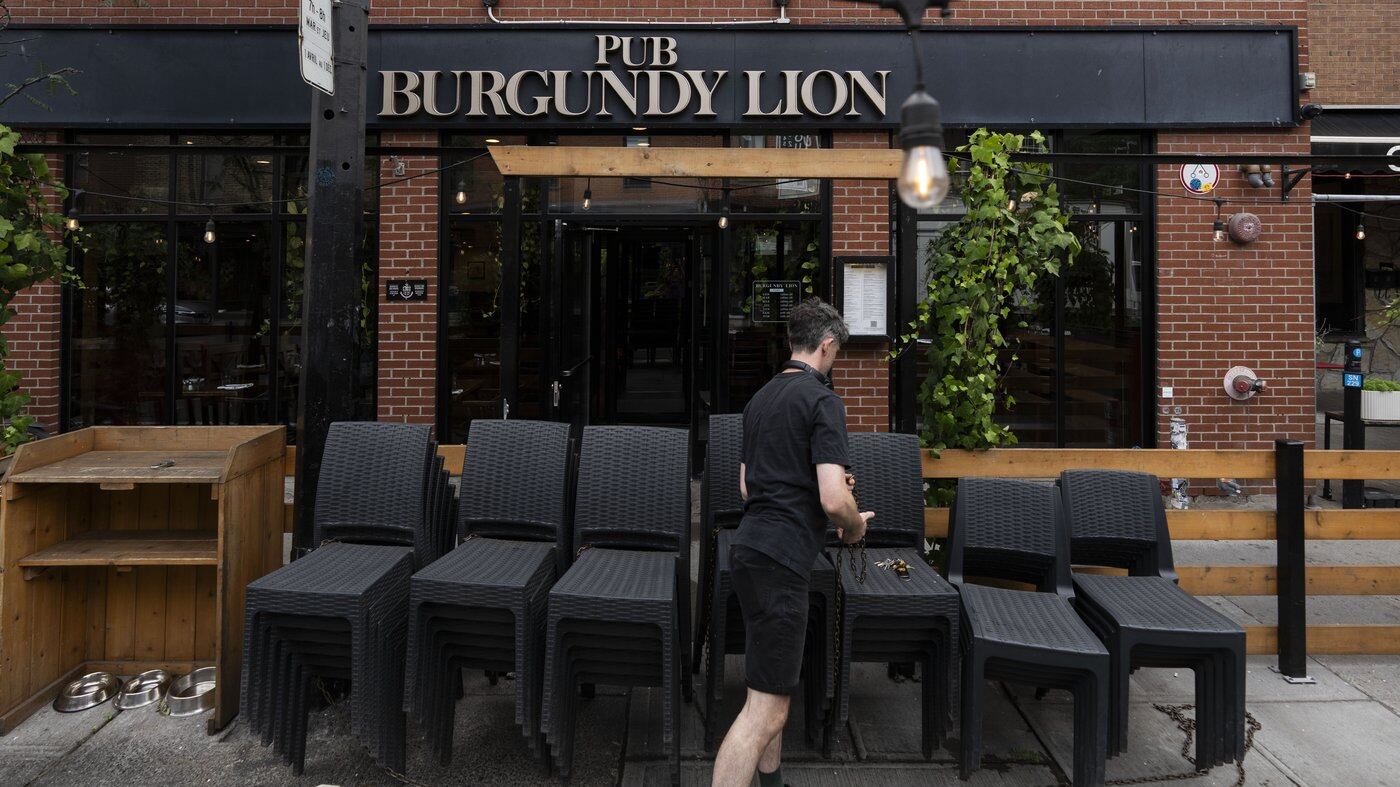
Quebec’s language watchdog has backed down after trying to get a well-known Montreal pub to change its sign, saying there was an “error of interpretation.”
After a visit last month, the Office québécois de la langue française (OQLF) had instructed Pub Burgundy Lion to add French language to its sign because “burgundy” is an English word.
Co-owner Toby Lyle pushed back, saying the name is a nod to the pub’s neighbourhood, Little Burgundy. Though it’s officially called Petite-Bourgogne, many know it by its English name.
Lyle points out that Burgundy is also the name of a French region known for its wines, and some whiskeys served at the pub have been aged or finished in barrels that previously held Burgundy wine.
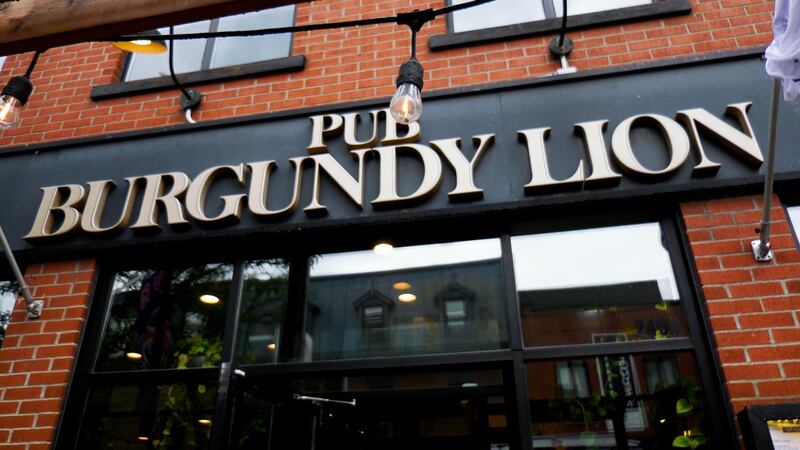
After further analysis, OQLF spokesperson Nicolas Trudel said Lyle was in the right.
“It was a misinterpretation of the word ‘Burgundy.’ Initially, it was seen as an English word, whereas it is considered a place name. There are exceptions in the charter that allow us to use place names that are in English without translating them,” he told CTV News.
He said the OQLF was overzealous when it asked the pub to change its sign before it could properly review the file and called it a “regrettable” error.
Lyle said he was as relieved to learn everything was in order as he was frustrated the day before.
“When I first saw the thing about the sign, I got really upset. That sign is 17 years old. It’s part of our identity, part of the neighbourhood’s identity. We’re proud of that sign. It’s the original sign. We’re proud of the restaurant. We’re proud of being in the neighbourhood. We’re proud to be in Quebec. But just being them going after that sign, I took that maybe a bit too personally,” said Lyle.
“It’s a great relief to know that that’s over, that this time it’s protected. I guess they’ll never really be able to come after it again, and that that can be an enduring representation of our business here.”
‘Waste of time and money’
Business owners have long complained about Quebec’s language reforms under Bill 96, saying the rules are difficult to adhere to and the deadlines are too tight.
Lyle says what can be perceived as nitpicking from the OQLF can exasperate them.
“A lot of us think that it’s a waste of time and money, and it’s just distracts from bigger issues, perhaps, in the province,” he said.
Madwa Nika-Cadet, the Official Opposition’s critic for the French language, doesn’t want the rules to turn people off from francization. The Liberal MNA pointed to the “Go Habs Go” controversy last April, which was overturned when the minister responsible for the French language intervened.
She said this kind of discretionary power should be used as to avoid creating situations “that are so absurd” it turns people off from French-language regulation.
“When I thought of the the Burgundy Lion Pub, I was thinking, ‘Oh, it’s like asking the Peel Pub to change its name,’ right? We have something that is an institution that’s been in a neighbourhood that’s been vibrant for so many years, that people know and that is linked in history. That is not something that is that came out of thin air,” she said.
“The OQLF made the right thing when they decided to reverse their decision. This was the only thing that they could do at that point.”
Trudel said the OQLF is “sensitive” to the reaction it got both from the pub and the general public after Lyle’s story made headlines. He said the goal is to make the francization process as smooth as possible.
“These are lessons that we learn in this type of situation,” he said.
“We will ensure that processes are followed rigorously and provide even more support to the staff who assist companies so the charter is applied correctly and our interventions take into account the subtleties and specificities of each company or organization.”

