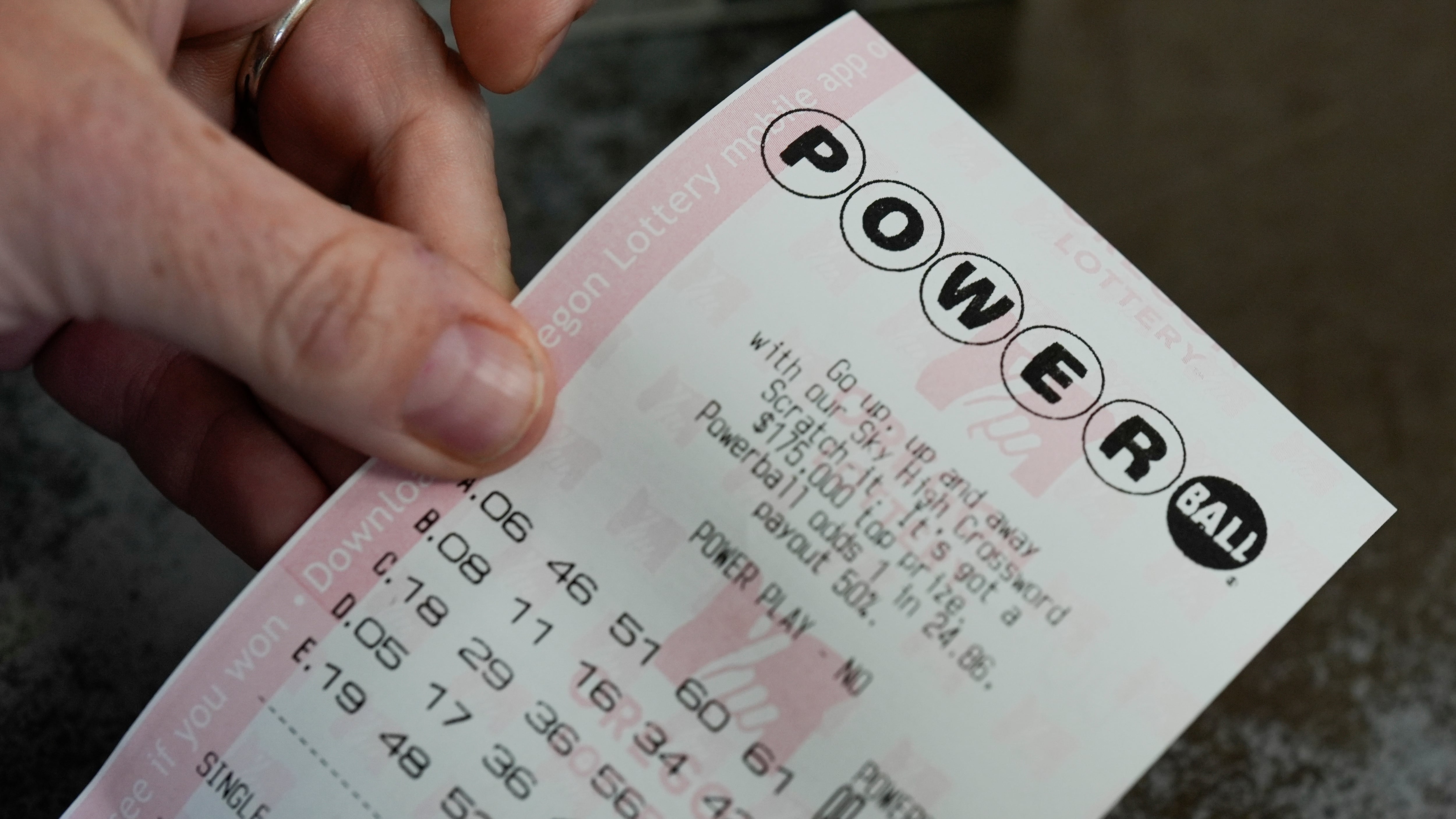
The estimated jackpot for the latest U.S. Powerball lottery has surpassed US$1.7 billion (C$1.35 billion), prompting some Canadians to wonder if they’re eligible to claim the prize.
Here’s what to know about the nine-figure total up for grabs Saturday:
The Powerball
The Powerball is a lottery offered in 45 U.S. states, with jackpots that have historically grown into the billions of dollars. Players select six numbered balls and check their choices against three weekly draws, held each Monday, Wednesday and Saturday.
After previous draws failed to produce a winner, the current jackpot has grown to an estimated US$1.7 billion, paid out over 29 years as an annuity, or in a significantly smaller lump sum, currently valued at US$770.3 million (C$1.066 billion).
In 2022, the Powerball’s highest-ever jackpot reached just over US$2 billion (C$2.78 billion).
According to the Multi-State Lottery Association (MSLA), the odds of winning the grand prize are 1 in 292,201,338.
Eligibility rules
Customers above the minimum age in every U.S. state except for Nevada, Utah, Alabama, Alaska and Hawaii are eligible to play for the jackpot, even if they aren’t American citizens or residents.
“Players from jurisdictions where Powerball tickets are not sold, either in the United States or outside the country, when visiting a selling jurisdiction, can purchase Powerball tickets,” the lottery’s FAQ page reads.
However, Powerball tickets can’t be sold across jurisdictional boundaries, online or by mail, so trying your luck will require an in-person trip to one of the participating states.
The next draw is Saturday at 10:59 p.m. EDT.
What about taxes?
The MSLA notes that Powerball winnings may be subject to “federal and jurisdictional income taxes,” but the rules get a little more complicated if you’re planning on taking your winnings back up north.
The good news is that, according to the Canada Revenue Agency (CRA), “lottery winnings of any amount” are not reported or taxed, “unless the prize can be considered income from employment, a business or property, or a prize for achievement.”
That said, the CRA warns that if you invest those winnings, income and interest earned off those investments will be taxable, even if the principal amount isn’t.
As for U.S. taxes, the American Internal Revenue Service says that generally speaking, non-U.S. residents are subject to a tax of 30 per cent on the gross proceeds of gambling winnings, which is withheld by the lottery at the point of payout.
In addition to U.S. federal taxes, Canadians may also be subject to state and local taxes, which can vary widely. California, for example, waives its state taxes for lottery winnings, and in Texas and Florida, there are no state income taxes in the first place.

