Chris Lewis is a former Ontario Provincial Police commissioner. He’s currently a consultant, author, public speaker and is a CTV News analyst on policing and other public safety matters.
The case of two missing children in Nova Scotia has pulled at the heartstrings of Canadians since first reported to police on May 2, 2025.
The RCMP arrived at the Lansdowne Station home and began their investigation into the disappearance of Lilly Sullivan, age 6, and Jack Sullivan, age 4, only 26 minutes after receiving the call from the mother of the children.
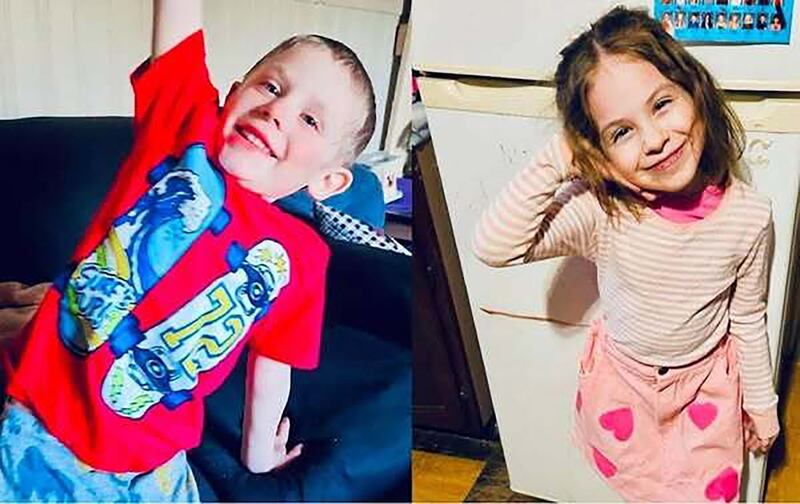
Malehya Brooks-Murray reported that Lilly and Jack had wandered away from their home. She said that they had been playing in the yard of the family home prior to them going missing.
An immediate search of the dense bush adjacent to the property was conducted in a number of ways – from the hasty initial search by local officers to deeper in-depth and coordinated searches of the several square kilometers by trained search teams.
The bush is very dense and difficult for trained search team members to traverse. It seems unlikely that two little children could get very far through it.
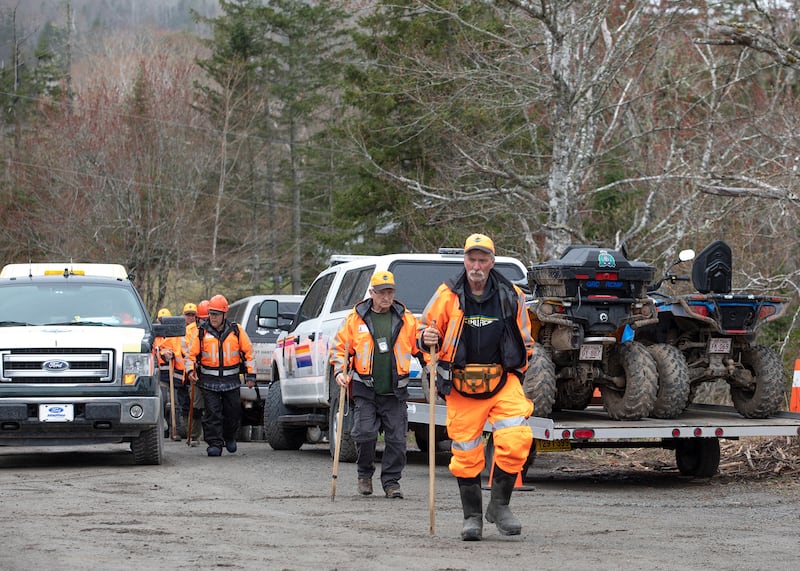
Police dogs, drones and helicopters assisted in searching the large parcel of land. Inherent mineshafts, areas of water and wells were searched in the process.
A couple of months later, a search master told the media that she believed the kids were still in that area and offered a variety of theories why. She explained how difficult it was for searchers to even see the ground right immediately beside them while walking.
Rumours and accusations
The mother and her common law husband, Daniel Martell, parted ways within a couple of days of the kids going missing and began to live apart. This fuelled the ongoing rumour mill on social media.
In any situation like this, rumours, accusations and claims of failings by the police service of jurisdiction (RCMP) flourish on various social media platforms. This case was no exception.
The thirst for knowledge by the media and community members continued as the weeks and months went on. The RCMP held a number of press conferences and released as much information as possible. Investigators are always limited in what they can or cannot release, in keeping with their goal of not releasing any information that may disrupt the continuity of their ongoing investigation and/or impact on any criminal trial process in future.
Also, investigative techniques are not divulged, and nor are personal details of suspects and others, for obvious reasons.
Hundreds of tips were received from the public, as were thousands of area videos for police to review for any sign of the children. RCMP forensic experts were busy examining certain locations and items throughout, including a pink blanket belonging to Lilly that was found a kilometer away from the home.
In one court document that was accessed by the media in mid-July the RCMP stated that they did not believe the case was criminal in nature. Despite that statement, an RCMP Major Crimes team was leading the investigation and had conducted polygraph examinations of several people, including Malehya Brooks-Murray and Daniel Martell.

They also sought judicial authorizations to seize and examine certain materials and devices. The granting of such judicial authorities normally requires affidavits from police and must include reasonable grounds to believe a criminal offence has occurred and that the items being sought may offer evidence of that crime. It certainly sounds like a criminal investigation to me.
Public criticism of police
Community questions regarding the RCMP searches and investigation were critical in some cases. The armchair quarterbacks abounded. The questioning regarding the lack of an Amber Alert was one of those queries.
Amber Alerts are only issued when “police have confirmed that an abduction has taken place and there is information available that, if broadcasted to the public, could assist in the safe recovery of the victim.” That most often involves the description of a vehicle the children may be in.
The RCMP didn’t have that information at the time so rightfully did not seek an Amber Alert. Responding to such public queries and most tips is extremely time consuming for police.
Ongoing search
Recently the RCMP announced that police cadaver dogs would be used to conduct more searches. There had been public criticisms of police for not bringing cadaver dogs earlier in the investigation. But regular police tracking dogs were used immediately and they are trained to find live persons or those that have recently died.
Cadaver dogs are trained to locate decomposing bodies – including buried bodies and those underwater. They are an incredible asset but can only find bodies based on smell. Early on, there was no reason to believe the kids were already dead and in an advanced state of decomposition.
One of the most prominent concerns is the perceived lack of information by the RCMP to the public. Most police services assign an officer, or officers, to liaise with family members and keep them apprised in a case like this. The RCMP undoubtedly did just that.
At other times when they had something important to announce to the public in an attempt seek information from them, they held a media conference. When they weren’t speaking publicly on the case it likely meant they were simply conducting investigations and searches and had nothing to publicize.
It doesn’t make a ton of sense to have busy RCMP members divert from their investigation to call regular public briefings simply to say, “Nothing new here!” However, keeping the case in the minds of the public through press releases or media scrums is still a good thing.
The trick is to find the right balance between wasting everyone’s time and keeping the investigation in the minds of potential witnesses. In my opinion, the RCMP have properly achieved that balance in this case.
The province had a similar investigation in 2020 when three-year-old Dylan Ehle went missing from his family home outside of Truro. Despite best efforts, no trace of the child has ever been found except for his rubber boots near an area river.
Similar criticisms of the RCMP occurred at that time, as devastated family members cited examples of things they believed police could have done better. Emotions understandably run very high in these cases, so family members are often seeking answers and want more to be done by police. Their thoughts and suggestions don’t always match the reality of what police know or can possibly do.
From what I see, the RCMP have pulled out all the stops in the tragic case of Lilly and Jack. They have utilized and continue to assign every resource possible to this case and would love nothing more than to locate the children for their family.
I know we all join them in that hope, but collectively, we must understand that just because they aren’t calling a press conference, it doesn’t mean that they aren’t hard at it.

