About a year ago, Simon Fraser University Prof. Sabrina Higgins received an unusual inquiry.
Thrifty Boutique in Chilliwack was looking for someone to accept a donation to the university’s Museum of Archaeology and Ethnology.
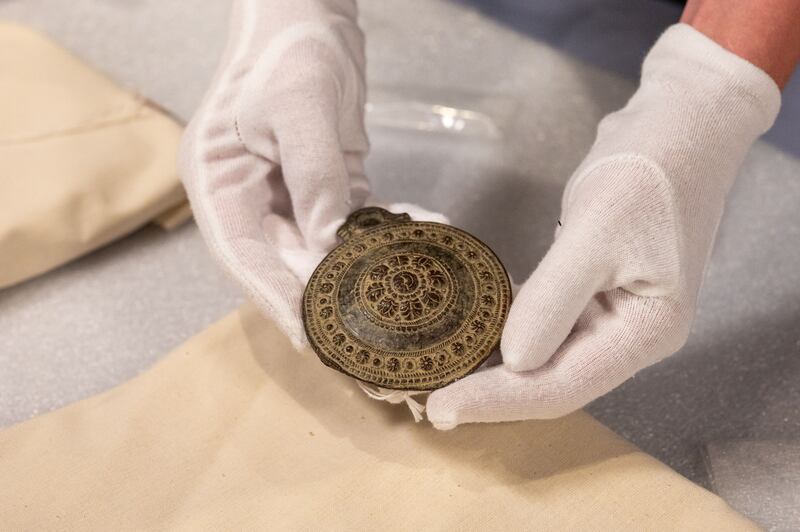
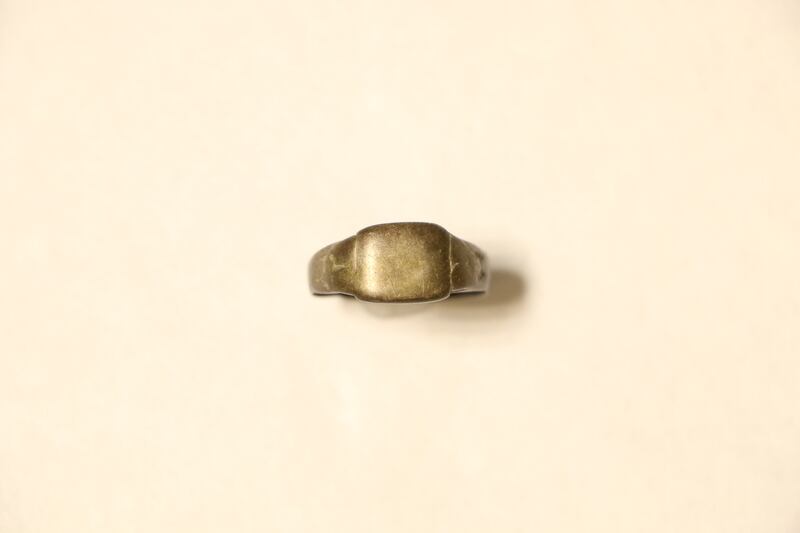
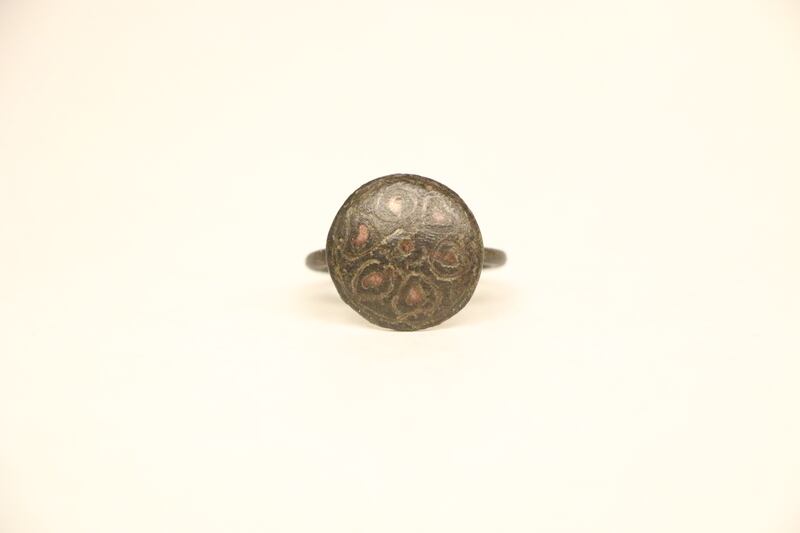
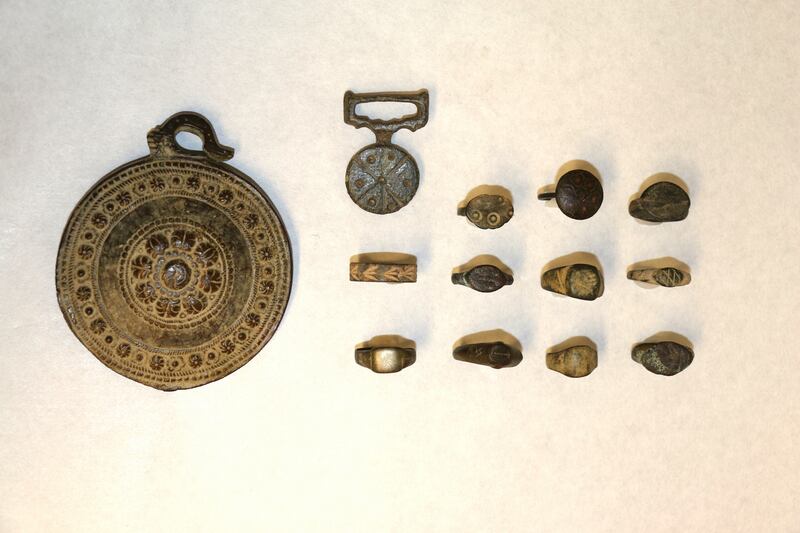
“I guess what happened was an archeologist came into the store, saw this collection on display and said, ‘Listen, you really need to contact someone,’” said Higgins in an interview with SFU’s communications department that was shared with media outlets alongside photos of 11 rings and two medallions the thrift store has donated to the university for study.
(Note: “archeology” is the preferred spelling of The Canadian Press, and is used throughout this story, except for proper names.)
The collection, which Higgins believes could date back as far as the fifth or sixth century AD, had been on sale at Thrifty Boutique for $30.
“I think they most likely originate from somewhere within the boundaries of what was once the Western Roman Empire,” said Higgins.
“The shapes, designs and construction make me think that these are medieval, as the Romans typically used slightly different materials and techniques.”
Confirming or disproving this hypothesis will be part of the work SFU students undertake in a new archeology course next fall.
“It will take at least a semester – if not longer – to piece together the origins of these artifacts,” Higgins said. “We’re fortunate to have access to cutting-edge research technologies within our department to properly study these objects, so it promises to be a rewarding journey for students.”
Thrifty Boutique is a major source of funding for the Chilliwack Hospice Society.
Sue Knott, the organization’s executive director, told SFU it’s a “privilege” for the society to be able to continue the story of these artifacts.
“This story is a beautiful reminder of how every donation carries meaningful history and unknown potential,” Knott said.
0 of 19
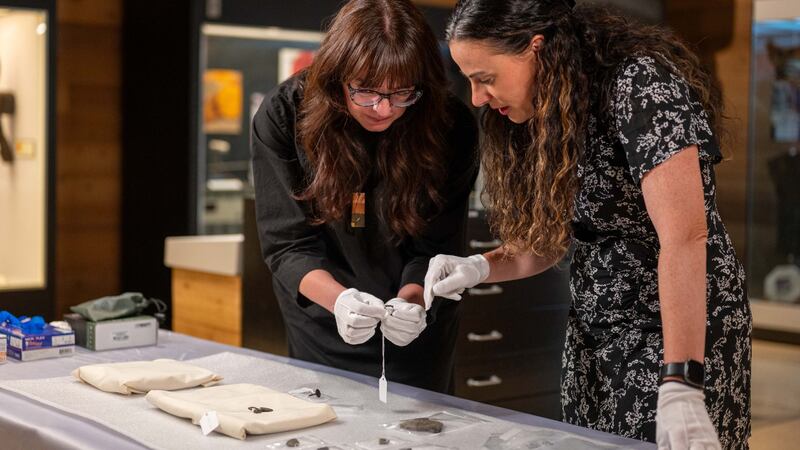
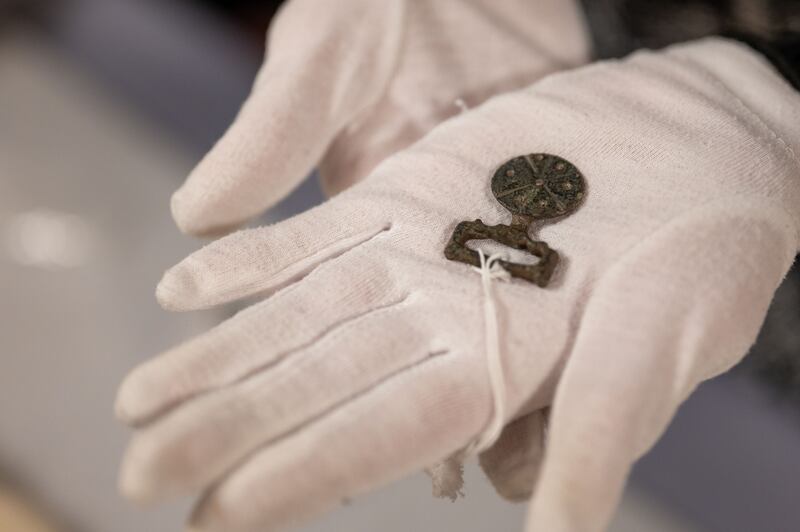
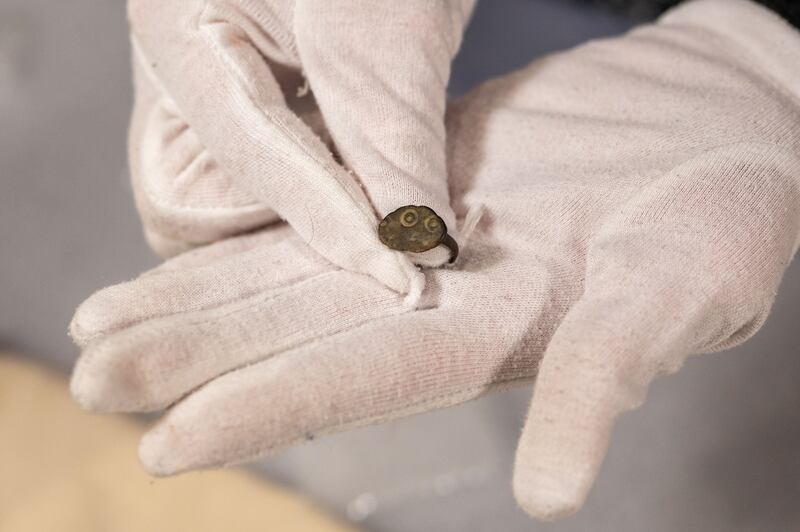
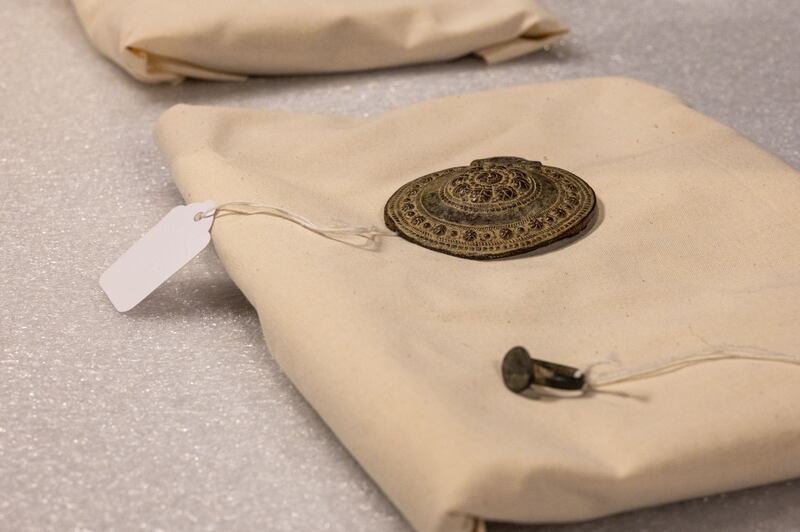
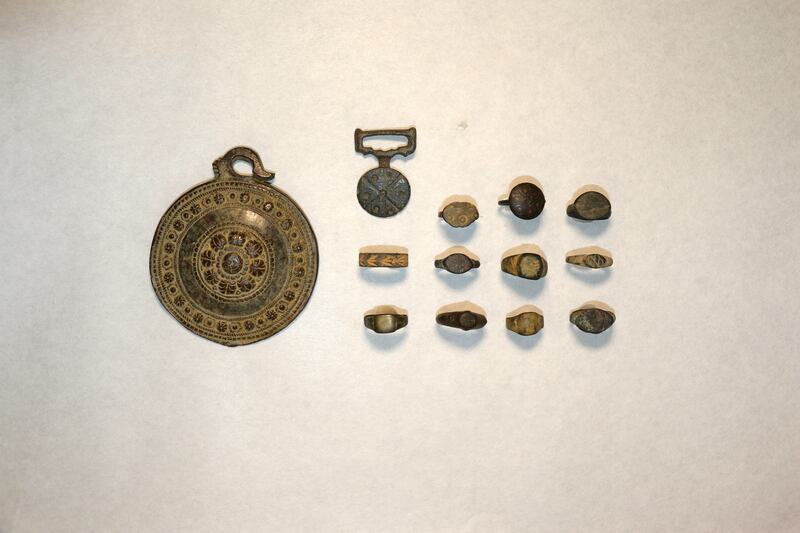
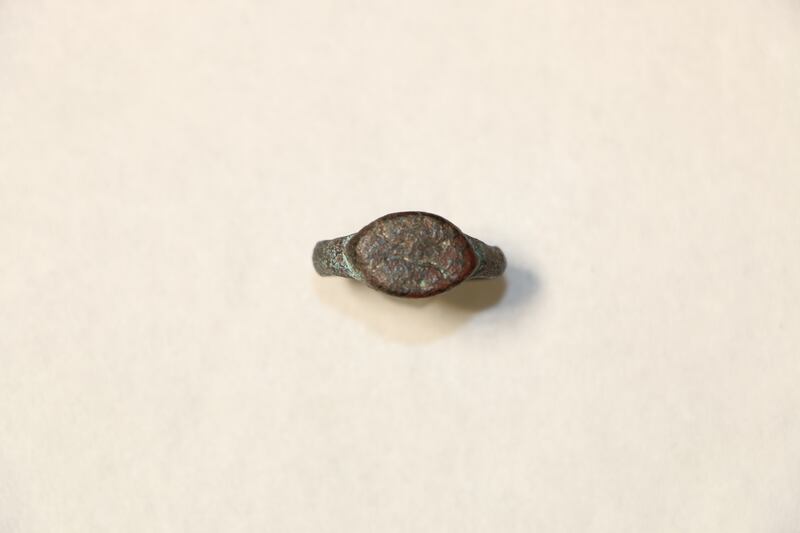
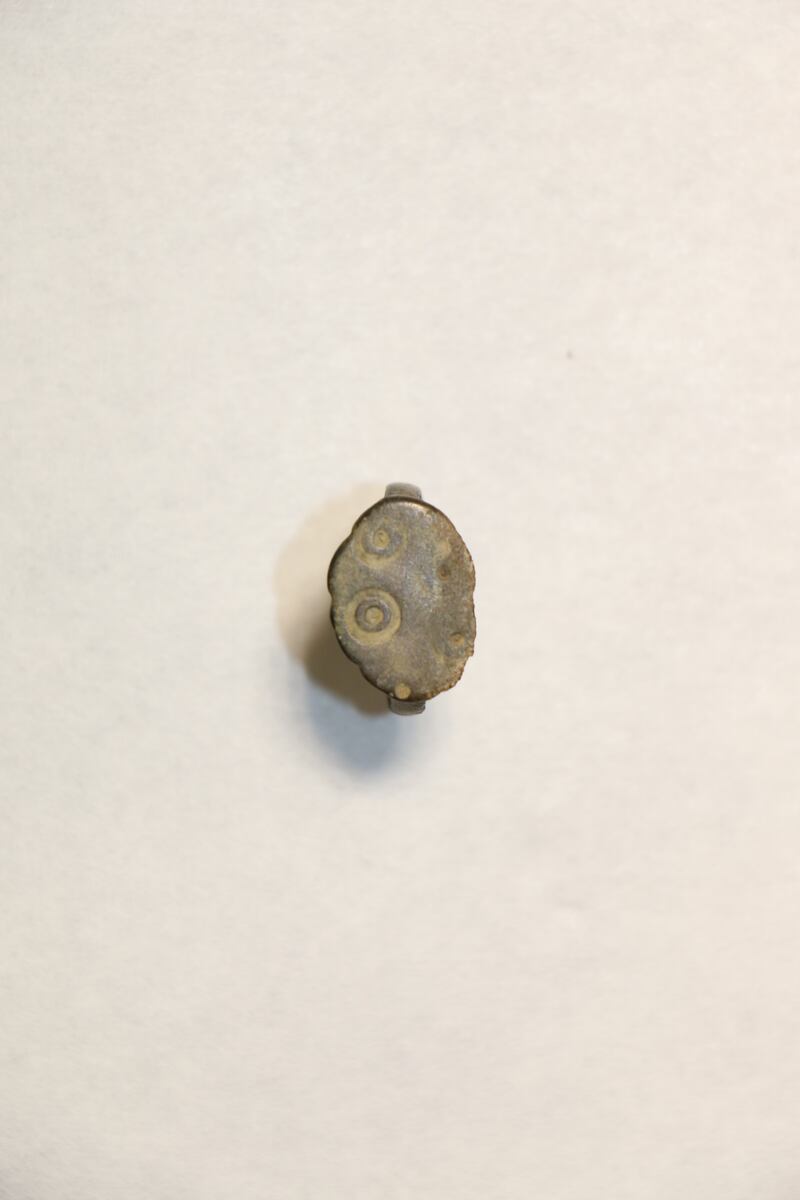
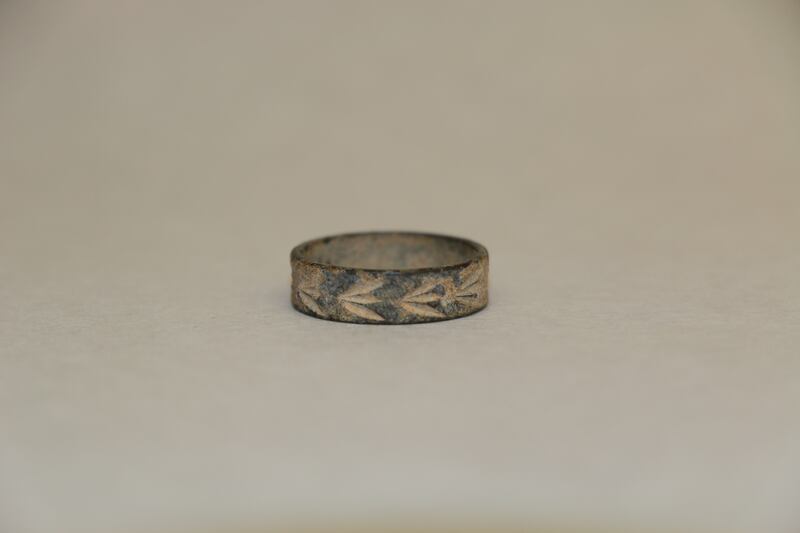
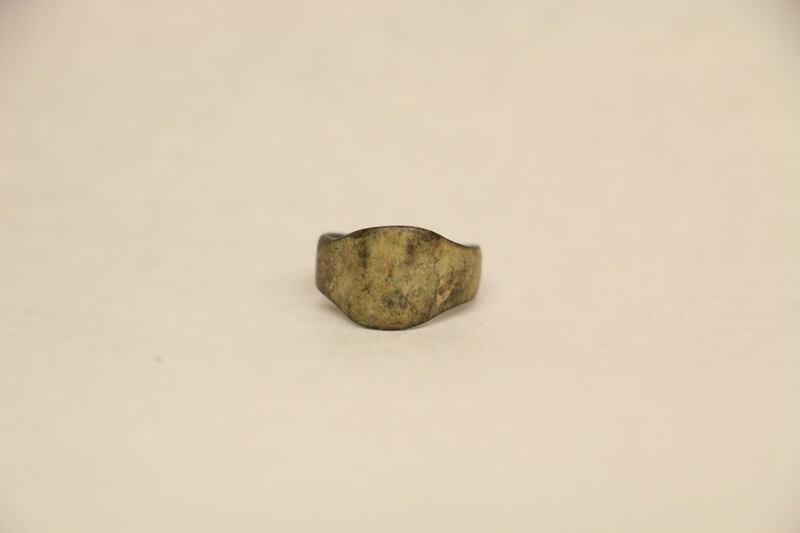
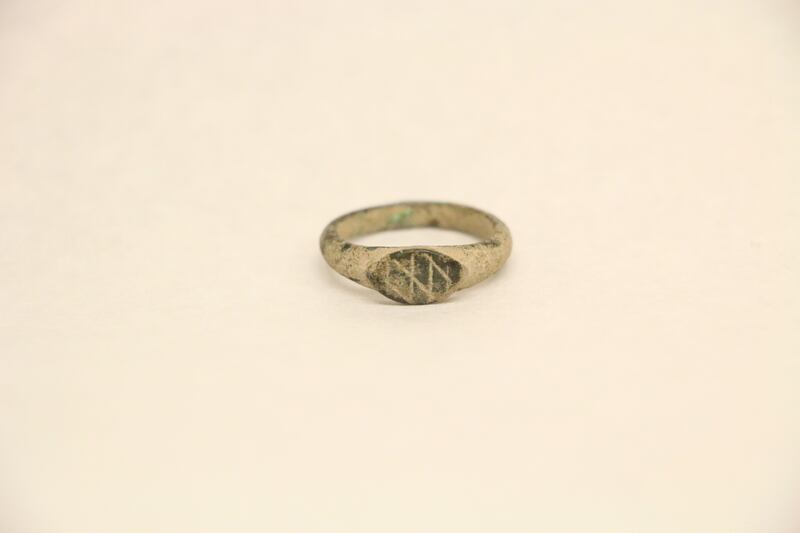
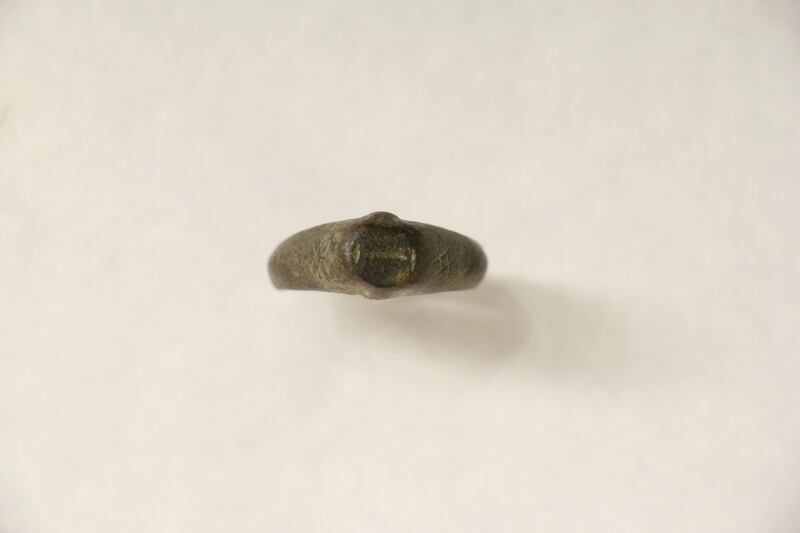
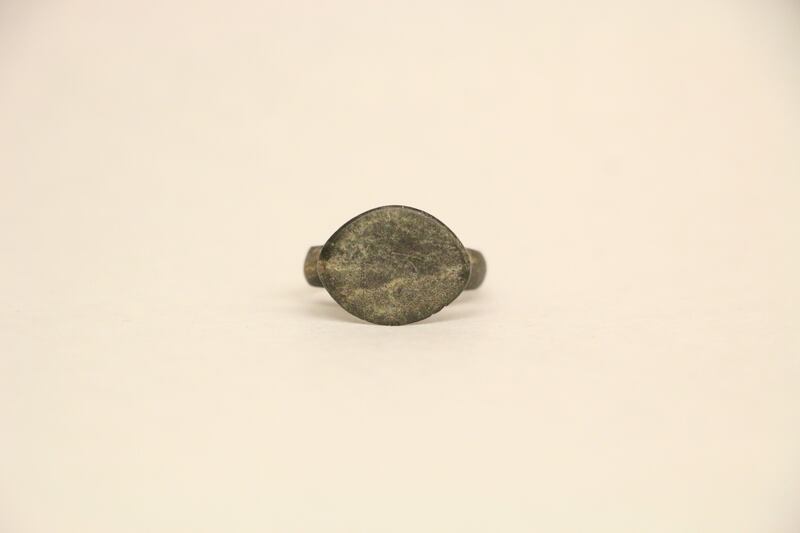
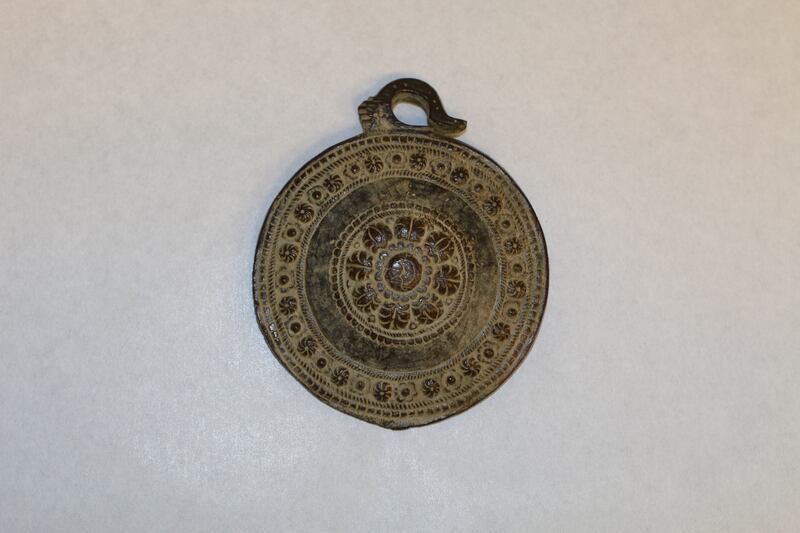
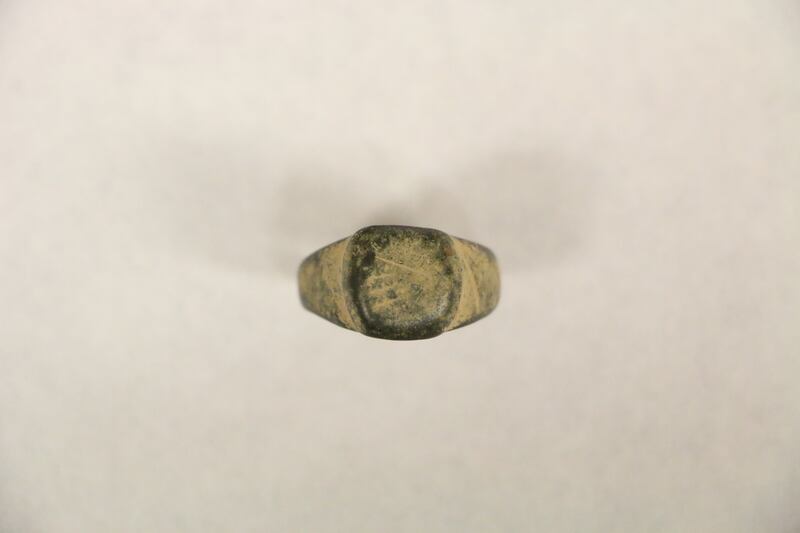
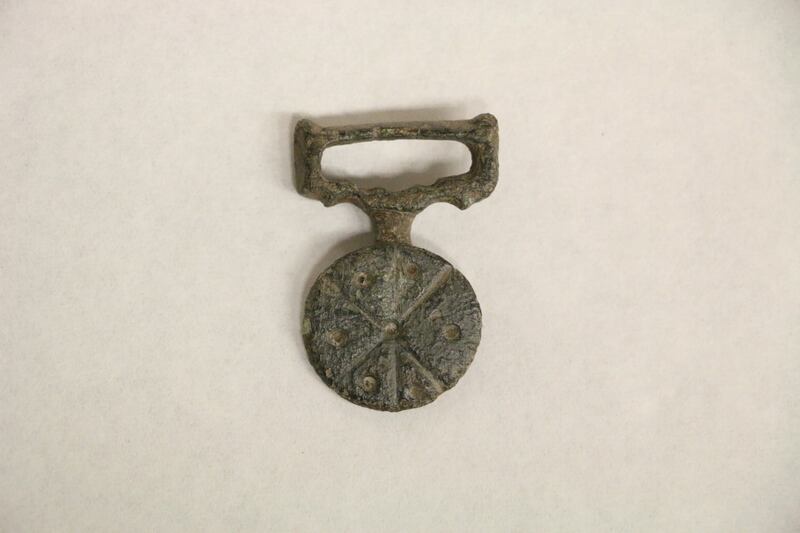
According to SFU, the Museum of Archaeology and Ethnology does not usually collect items that lack a documented provenance, because such items may have been illegally looted from archeological sites.
The ethical questions the museum faced when deciding whether to accept the donation will form a part of the course when it begins in the fall 2026 semester, the university said.
“Looting leads to the loss of cultural and scientific knowledge,” said Cara Tremain, an assistant professor in SFU’s Department of Archaeology who specializes in the “the ethical and legal aspects of the antiquities market,” according to the university.
“Should we have advised on bringing them in without knowing where they came from? What would have happened to them if they weren’t brought in? Students are literally going to have these issues in front of them.”
The unknown provenance of the items also raises the potential that they may be forgeries, something SFU says the course will also consider.
“Even if these end up being forgeries, there’s still an interesting learning experience for the students in terms of going through an object systematically to determine whether it’s real or a forgery, and questioning why forgeries continue to make their way into the antiquities market,” said Higgins.
The plan is for the artifacts to be put on display in an exhibition at the museum once the course is complete, with a focus on both the information students and professors have been able to learn about the items’ history and the ethical considerations archeologists and museums face.

