Afua Hagan is a contributor to CTVNews.ca, focusing on the Royal Family. Based in London and Accra, Hagan is a regular commentator on the royals across a variety of international outlets, and is a leading voice on diversity in Britain.
When a senior royal gives a rare interview with a popular cultural figure, it promises more than a puff piece. The Prince of Wales’ appearance on The Reluctant Traveler — currently streaming on Apple TV+ — with actor and comedian Eugene Levy was more than that.
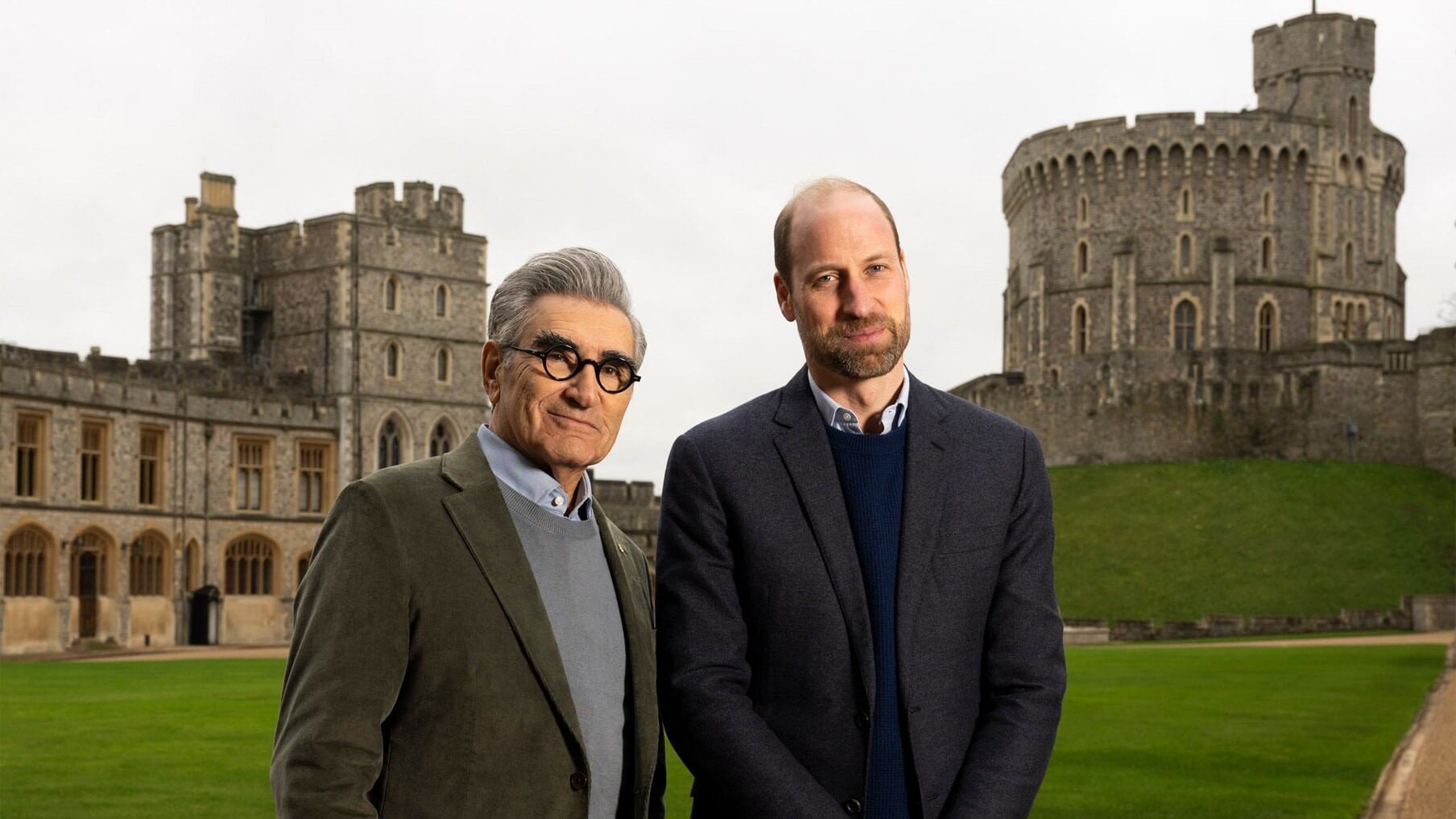
Levy was granted rare, behind-the-scenes access to Windsor Castle along with a guided tour and candid conversation with the heir to the British throne. This interview offers a glimpse into a monarchy in transition – and a man balancing family, duty and vulnerability.
Here are the five most telling takeaways that reshape how we see William in 2025.
1. 2024 was his hardest year — openly acknowledged
In a candid moment during the teaser for the upcoming program, William reveals “2024 was the hardest year I’ve ever had.” Such stark honesty is rare in royal discourse, and something seemingly more likely to come out of his brother Prince Harry’s mouth than his.
But it’s particularly telling given the context: A year marked by cancer diagnoses for both his father, King Charles, and his wife, the Princess of Wales. This frank acknowledgement challenges the usual narrative around the Prince of Wales: William emerges not as an untouchable figurehead, but as someone navigating profound personal challenges whilst bearing public duties.
His openness has the effect of building a bridge of empathy to those who understand juggling responsibilities during trying times. This departure from traditional royal reserve signals a progressive shift in Prince Williams’ traditional communication.
2. Grief, loss, and the weight of legacy
During his Windsor Castle grounds stroll with Levy, William speaks poignantly of missing his grandparents, Queen Elizabeth II and Prince Philip. His reference to Windsor as “her home,” referring to where the Queen spent her twilight years, carries deep emotional resonance. This sentiment extends beyond mere remembrance; it positions his current role within her enduring legacy.
His words spotlight the profound void left by her passing, both institutionally and personally. William embodies dual roles: Guardian of tradition and harbinger of change. The conversation also emphasizes Windsor’s significance beyond its architectural grandeur. It stands as a living testament to royal heritage and familial bonds, as well as the legacy of Queen Elizabeth II.
3. Family first — priorities of a modern heir
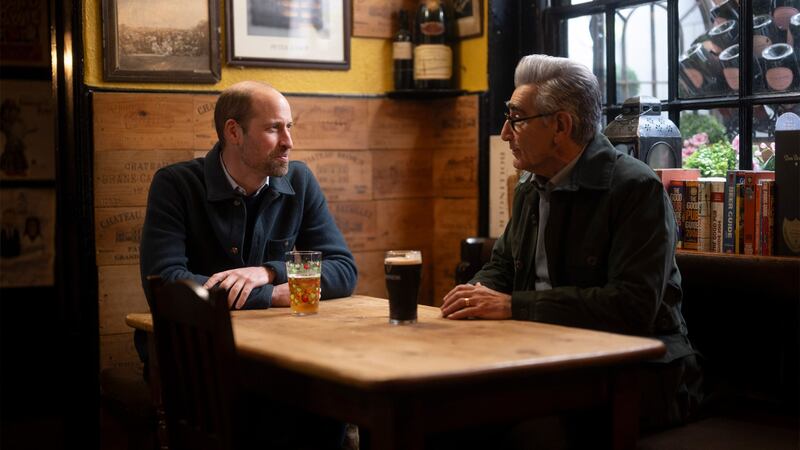
When queried about his domestic life by Levy, William offers a refreshingly honest answer: “Sleep.” He added, “When you’ve got three small children, sleep is an important part of my life.” This simple admission speaks volumes.
In an age where heirs to the throne are evaluated beyond their titles, this candid admission shows how parenthood fundamentally shapes William’s character. It demonstrates that despite the weighty institutional responsibilities he bears, family remains his cornerstone – authentic, tangible, and fundamental to his sense of self. For many viewers, this display of genuine humanity may leave a more lasting impression than any royal regalia.
4. A delicate rebalancing: Royal duty, visual storytelling & transparency
William’s partnership with Levy and Apple TV+ marks a significant milestone – it’s a calculated convergence of monarchy and contemporary media. Rather than a conventional interview, he assumes the role of host, personally guiding Levy through Windsor whilst shaping the narrative.
This signals an evolution: the Royal Family no longer maintains an impenetrable façade, but welcomes the public into carefully crafted storytelling. It’s an approach that recognizes society’s desire for genuineness, transparency, and emotional resonance.
William’s challenge lies in striking the perfect equilibrium between openness and discretion – allowing his humanity to shine whilst preserving the mystique that underpins royal reverence.
5. The monarchy’s relevance in a changing world
Beneath these revelations lies a deeper narrative: William is subtly establishing himself as a bridge between traditional and modern monarchy. By embracing vulnerability, increasing accessibility, and indicating that the institution must adapt or become obsolete.
Through his frank communication, he initiates a fresh dialogue about royal identity: Not merely symbolic figures, but individuals who acknowledge personal struggles, forge emotional connections, and engage meaningfully with modern media.
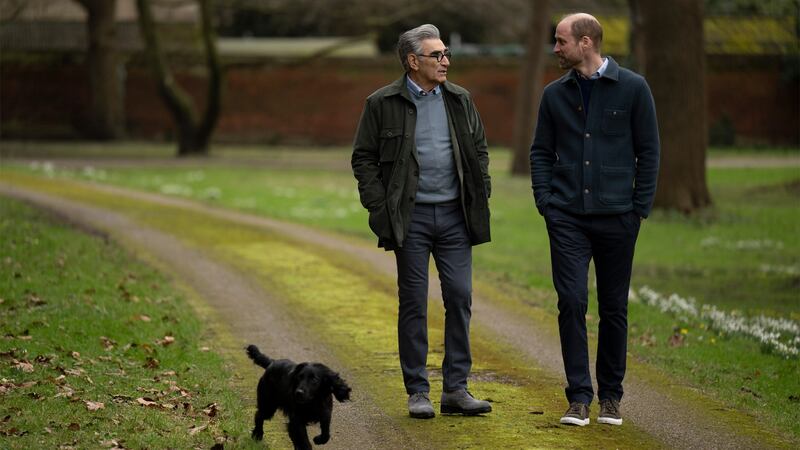
The episode presents a framework for relevance in the 21st Century - where heritage meets evolution. Yet this approach carries inherent risks. Opening emotional doorways may attract scrutiny, criticism, or misunderstanding. The royal role is still constrained in many ways. The interview suggests William is willing to cautiously test these limitations – all in service of ensuring the monarchy’s survival, not just its continuation.
Closing thoughts
Prince William’s interview with Eugene Levy is more than a celebrity cameo; it’s a statement — subtle, strategic, and revealing. The five takeaways above show a man contending with grief, embracing vulnerability, anchoring family, and testing new models of royal engagement.
As the episode airs and the world watches, one question looms: Will this new, more human side of a future king help preserve the monarchy’s relevance — or expose it to the pressures of public scrutiny in unprecedented ways?
More from Afua Hagan:

