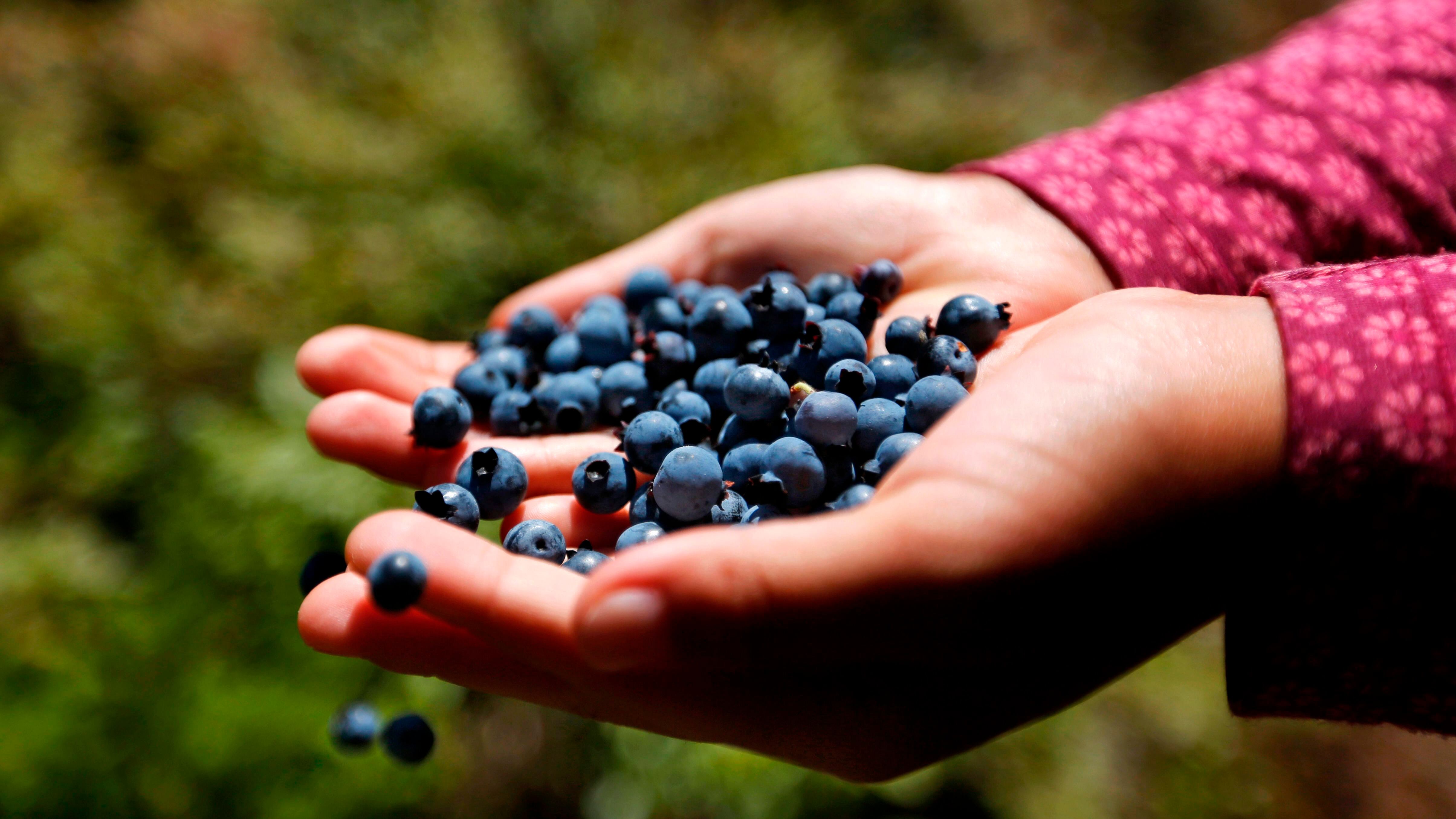
For many Nova Scotia blueberry farmers, the recent drought and dry conditions have cut this year’s crop by more than 50 per cent compared to the previous three-year average.
It could prove to be a devastating blow to the province’s economy, given wild blueberries are Nova Scotia’s biggest export crop, generating more than $120 million each year.
“The dry weather has dropped most of our crops in half,” said Nova Scotia blueberry farmer Terry Prescott, who sells his berries at farmers markets.
“The blueberries never really sized up and they were shriveling in the fields because of the lack of moisture, so the quality and the size of blueberries are down considerably.”
The size of Prescott’s overall crop is also down, which means he will now charge more to keep his business viable.
“We have half as much product to sell, and half as much income and all of the expenses are still all the same.” said Prescott.
Berry prices rise
Some shoppers are being hit with a price increase of more than 20 per cent.
“I notice it at the grocery store, every time I go to buy,” said shopper Charles Kenney.
Dalhousie University food distribution professor Sylvain Charlebois said, in addition to Nova Scotia, some New Brunswick blueberry crops are down as much as 70 per cent and farmers could be short on inventory when it comes to filling large orders.
“Processors don’t like that and they will actually move on and buy blueberries or work with other sources they can rely on,” said Charlebois.
He added that blueberry farmers are worried they could lose those business contracts for several years which could bring long term damage to their bottom line.

