If it feels like there are more ladybugs than usual this fall — you’re not imagining it.
In Joliette, Que., Melina Aube says the insects have been everywhere around her home.
She posted a video to social media, looking for tips on how to get rid of them.
@melinaaube Partie 1 - LE BUG-TEK 🐞🐞🐞 Un bon 5/10? Ça la diminué un peu, plusieurs sont mortes, mais c’était encore l’apocalypse 🥲 On essaye quoi maintenant? #coccinelle #quebec #quebectiktok #campagne #automne
♬ Calm background music with acoustic guitar and saxophone(1288148) - ame
“They’ve been around for about a month, maybe since early September,” Aube told CTV News. “I thought it was crazy.”
Normally, ladybugs slow down once cooler fall weather sets in. But with recent temperatures hovering in the mid-20s, experts say that hasn’t quite happened yet.
“When we had 25, 26, 27 degrees over the weekend, that was really warm,” said Julia Mlynarek, an entomologist at Montreal’s Insectarium. “That’s when they were really active.”
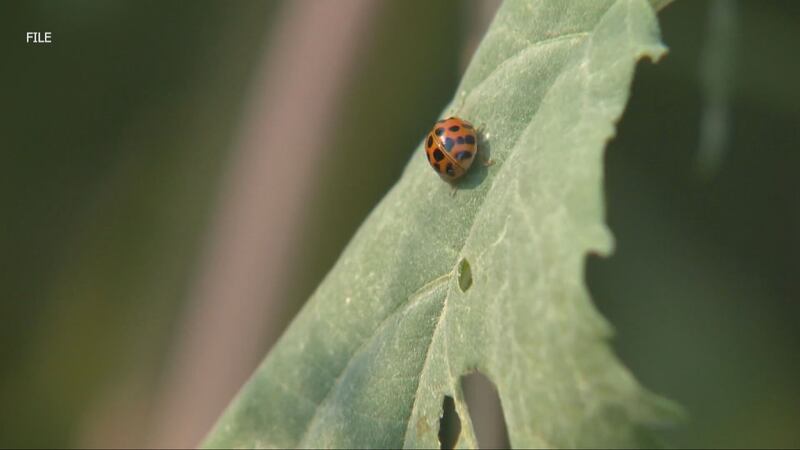
What many people are seeing are actually Asian lady beetles — a non-native and invasive species that looks almost identical to the common ladybug.
“They can be recognized by the red behind the head,” Mlynarek explained. “You can sort of see an M or W shape that’s white.”
These beetles are the ones swarming homes, often gathering in large numbers on walls and windows. According to experts, Asian lady beetles are the type of ladybug that can bite, but they don’t pose much of a threat.
“They can bite once in a while, but it’s usually because they feel endangered,” said Mlynarek. “They don’t have any venom or poison.”
Still, for some residents, it’s annoying.
“I would go outside and have maybe 15 or 20 on me,” explained Aube. “They fly in your face, in your ear, your eyes, your mouth.”
This summer’s hot and dry weather is the reason there are so many Asian ladybeetles.
“With the heat and dryness, the plants got stressed,” she said. “When plants are stressed, they reduce their defenses — and that lets aphid populations rise. Once aphids go up, lady beetles follow.”
But cooler weather should bring relief. As temperatures drop, Asian lady beetles will soon start hibernating for the winter.

