Thanksgiving Monday was the coldest Oct. 13 ever recorded in 10 different B.C. communities, including one where records have been kept since the 19th century, according to Environment and Climate Change Canada.
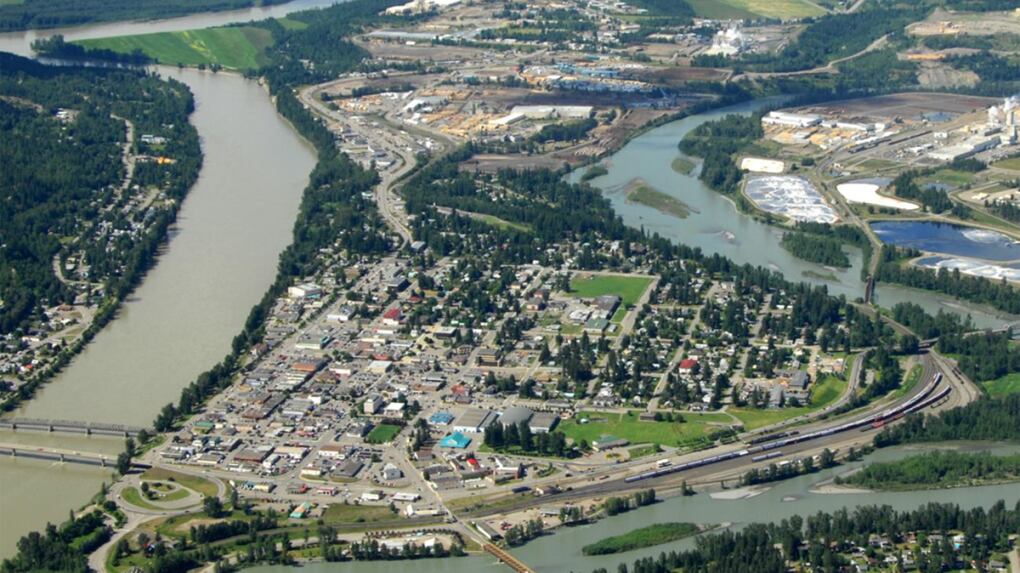
Weather stations have been active in the Quesnel area since 1893, and the central B.C. city’s previous all-time low for Oct. 13 was set back in 1910. On that date 115 years ago, the mercury dropped to -7.8 C. Monday’s low of -9.1 C eclipsed the old record by more than a degree.
Out near the north coast, the city of Terrace also broke a record from the early 20th century on Thanksgiving Day. The coldest previous Oct. 13 in Terrace happened 95 years ago in 1930, when the temperature dropped to -2.2 C. On Monday, it dropped to -2.8 C.
Record lows were also seen on Vancouver Island Monday, with the district of Port Hardy recording a low of -2.3 C, breaking its old record of -0.6 C, which was set in 1966.
Farther south, Port Alberni tied its Oct. 13 record of -2.2, which was also set in 1966.
The full list of low-temperature records broken or tied Monday follows.
- Bella Bella area: New record of -1.6 C, old record of 1.1 C set in 2018
- Chetwynd area: New record of -7.7 C, old record of -7 C set in 2009
- Port Alberni area: Tied record of -2.2 C set in 1966
- Port Hardy area: New record of -2.3 C, old record of -0.6 C set in 1966
- Prince George area: New record of -11.3 C, old record of -7 C set in 1992
- Puntzi Mountain area: New record of -15.7 C, old record of -9.4 C set in 1969
- Quesnel area: New record of -9.1 C, old record of -7.8 C set in 1910
- Sechelt area: New record of 1.4 C, old record of 2.4 C set in 2017
- Tatlayoko Lake area: New record of -12.3 C, old record of -9 C set in 1987
- Terrace area: New record of -2.8 C, old record of -2.2 C set in 1930
Environment Canada’s low-temperature records are “derived from a selection of historical stations in each geographic area that were active during the period of record,” the weather agency says.

